Lose Belly fat For Life

Welcome to my blog where you can learn how to lose that stubborn belly fat and get your six pack Abs on show.

An Educational Resource

Learn what foods will help you lose belly fat and foods that won't.

Exercise Right!

Learn what exercises will help you get those stubborn abs defined, and get the body you have always wanted.

Eat Right!

Learn what foods will help you get the healthy body you have always wanted.

Get Started Today!

Claim your FREE e-book & follow these simple tips and live the healthier lifestyle you deserve.

5 Tips
Showing posts with label abdominal fat.. Show all posts

Monday, 18 January 2016

The Energy Drink Scam

Do Energy Drinks Help You, or Can They Actually Make You Fat?
by Mike Geary, Certified Personal Trainer, Certified Nutrition Specialist
Author of best-sellers:  The Truth About Six Pack Abs
& The Top 101 Foods that FIGHT Aging

Today I have a little rant on energy drinks...
I receive a ton of questions about all of these new "energy" drinks that have hit the market over the last few years. They seem to be all the rage, and they promise you the world with outrageous claims of all of the super energy that you are going to have, and how you'll become the best athlete in the world, start lifting cars over your head, and get a perfect body.
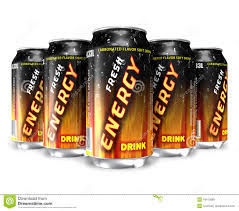
So a couple questions arise:
Are these "energy" drinks really any good for you?
Do they actually increase your energy?
Do they really have some sort of magical energy formula?
Will they help you lose weight?

First of all, let's look at what most of these energy drinks are usually made of. Most of them are simply carbonated water loaded with gut-fattening high fructose corn syrup (or other added sugars), caffeine, the amino acid taurine, and some crappy artificially-derived vitamins added for show to trick you into thinking there's something healthy about these concoctions.
Let's start with the high fructose corn syrup (HFCS) or other syrups and sugars.  Well, here we've got empty calories that will go straight to your belly fat, and that are possibly even WORSE for you than plain old refined sugar (although that's up for debate, but semantics in the big picture).  Some energy drinks use other added sugars instead of HFCS, but it doesn't really matter, because they are all gut-fattening empty calories with no nutritional benefit.
Ok, so you say that they also have low-sugar or sugar-free varieties as an alternative to the sugar-laden energy drinks. Yes, but now you have the problem of the harmful chemicals in the artificial sweeteners which have their own set of health dangers.
Another problem with artificial sweeteners is that there are some research studies that indicate artificial sweetener use leads people to inadvertently consume more calories and gain more weight in the long run... in addition to having a negative hormonal effect in the body.  I won't go into all of the details on that topic because that would fill up an entire discussion by itself.
Just trust me that artificial sweeteners and artificial chemicals in food in general, are ALL bad news for your body!  It's never a good idea to try to "trick" your body with artificial tastes.
What about the caffeine?
Well, first of all, caffeine doesn't in itself provide "energy". Technically, the only substance that actually provides energy is calories.
However, caffeine can be an aid for livening or waking some people up, by means of stimulating the central nervous system.
Instead of caffeine artificially added to some carbonated "energy" drink, I'd rather get my caffeine from a natural source like green, white, or oolong teas (or my new favorite - yerba mate teas), or even a good organic coffee, all of which actually provide very powerful healthy antioxidants too!
Keep in mind though, if you're a regular daily coffee drinker, and drink more than 1 cup of coffee per day, you probably have some level of addiction to caffeine and probably wouldn't receive too much benefit from the caffeine in an energy drink anyway.
Tip:  try to drink more tea and reduce your coffee intake to only ONE cup of coffee per day max to reduce your dependency on caffeine. Keeping total caffeine intake to around 100-150 mg/day max is helpful to prevent adrenal issues and addiction to caffeine.  Most teas contain much less caffeine than coffee, and some teas (such as green, white, and oolong) contain synergistic phytochemicals that work to slow the response of the caffeine that they do contain.  This means you get a milder response from the caffeine in green, oolong, or white teas compared to the harsher jittery response that some people get from too much coffee, or from coffee on an empty stomach.
Now what about that so called magical blend of taurine and B-vitamins that they load into these energy drinks?
Well, big deal...you get taurine in almost any protein source. And the vast majority of those artificially added B-vitamins are simply coming right out into the toilet in your pee. Vitamins are best obtained naturally from a REAL food source, not artificially added to some carbonated drink. Your body just doesn't use fake sources of vitamins as readily as natural sources from real food.
So as you can see, in my opinion, I give all of these energy drinks a big time THUMBS DOWN!  Don't fall for the ridiculous marketing of all of these so-called "energy drinks".
Instead, here's my recipe for my own home-made 
energy drink:
1.  Make a big iced tea mixture using green tea, white tea, and yerba mate tea.  I like to add a little fruit flavor, so I'll use 1 tea bag of a raspberry or blueberry hibiscus tea, and then use 2-3 green and/or white tea bags, and 2-3 yerba mate tea bags, and make a gallon container of iced tea.  I just use a small amount of stevia to lightly sweeten the batch of tea.
2. I buy a container of organic coconut water from a health food store, or buy fresh coconuts to obtain the coconut water from the inside.
3.  For my healthy energy drink, I mix a half of a glass of the white/green/yerba mate iced tea mixture and fill the rest of the glass with the coconut water.
This is actually a delicious and truly healthy energy drink instead of the chemical-laden crappy energy drinks that everybody is getting suckered into buying these days.
The green, white, and yerba mate teas contain a small dose of caffeine along with a diverse mixture of powerful antioxidants and synergistic phytochemicals.  Plus, the coconut water is a rich source of electrolytes and a diversity of vitamins and minerals, including as much potassium as a banana, but with only 1/3 the amount of carbs and calories as a banana.  Coconut water is known to provide a good instant energy source.
So enjoy this natural healthy energy drink, knowing that you're doing your body good instead of filling it with chemicals with normal store-bought energy drinks.


If you liked this article, please feel free to share with your friends:

Friday, 18 September 2015

Can This 1 Unique Spice Help to Fight Abdominal Fat?

A simple, scientifically proven trick to not only fight belly fat, but control blood sugar levels (and fight carbs)...
article by Mike Geary - Certified Personal Trainer, Certified Nutrition Specialist
Author of best-sellers:  The Truth About Six Pack Abs & The Top 101 Foods that FIGHT Aging


This spice that I'm going to mention is one of the most overlooked, but healthiest spices in the world...
You might even call it a "fat burning spice"... in a roundabout way.
And yes, it can actually help you win the battle against abdominal fat if you use it daily...I'll explain why.
Here are some other benefits of this miracle spice:
  • controls blood sugar levels
  • helps maintain insulin sensitivity
  • a VERY powerful antioxidant
  • may have antibacterial and antifungal properties
  • and dozens of other benefits
So what is this miracle spice that beats abdominal fat?
Well... it's good old tasty Cinnamon!
Although cinnamon does NOT directly increase fat burning (such as by increasing metabolic rate, etc), it CAN actually help you to burn off abdominal fat and get leaner in an indirect way.
Here's how...
Although cinnamon has dozens of health benefits, the main benefit that will help you to get leaner is through it's strong effect on controlling blood sugar levels in your body.
In a study published in 2003 in the medical journal Diabetes Care, groups were split into people taking 1, 3, or 6 grams of cinnamon per day in capsule form (the equivalent of approx 1/4th to 1 teaspoon of cinnamon).
The results of the study showed that all 3 amounts of cinnamon reduced fasting blood glucose levels by 18-29% after 40 days.
Cinnamon can also increase insulin sensitivity, which essentially means that it is helping your body to control blood sugar while simultaneously allowing your body to produce less insulin.
As you know, chronically high insulin levels can make your body pack on the blubber.

How to harness cinnamon to lose stubborn belly fat...
One possible way to benefit from cinnamon to lose more fat is to use cinnamon daily in your meals when you can, such as in yogurt or cottage cheese, in smoothies, oatmeal, or anything else you can think of where it would go well.
Also, you could use a cinnamon capsule before each of your meals, particularly if you're going to have more than 30 grams of carbs in that meal.
This could help to control blood sugar and insulin response from your meals and thereby control your appetite and cravings throughout the day... hence, helping you to lose body fat more effectively over time.
So now you can see that not only is cinnamon a powerful antioxidant that can help you stay youthful longer, it can also help you to control blood sugar and get a leaner body!
But BEWARE...
Although cinnamon may be a super-healthy choice for helping you to achieve your lean, strong, and energetic body... I've discovered that there are at least 23 popular foods that most people falsely think are "healthy", but they actually HARM your metabolism and pack on belly fat.

Discover what these metabolism-harming foods are on the
next page:

Click here These 23 "healthy" foods HARM your metabolism & pack on belly fat (avoid these!)

Thursday, 6 August 2015

3 Unique Veggies That Fight Abdominal Fat?

A surprising way that a few specific vegetables can actually stimulate the burning of abdominal fat...
article by Mike Geary, Certified Personal Trainer, Certified Nutrition Specialist
Author -- The Truth about Six Pack Abs & The Fat Burning Kitchen


flat sexy absI bet you didn't know that there is a specific class of vegetables that contain very unique phytonutrients that actually help to fight against stubborn belly fat.
Let me explain what these unique vegetables are and why they help to burn stomach fat...
Chemicals that force your body to hold onto belly fat
Something you may have never heard about is that certain chemicals in our food supply and our environment, such as pesticides, herbicides, and certain petrochemicals from air and water pollution, household cleaners, plastics, cosmetics, etc can react with your hormones and make your body store excess abdominal fat.
These harmful chemicals are known as xenoestrogens.
Xenoestrogens are chemicals that you are exposed to (and are hard to avoid in the modern world) that have an estrogenic effect in your body.  Excess exposure to these can cause hormone balance disruptions for both men and women. So if you thought this article was just for the guys, these chemicals can wreak havoc in the body for both guys and gals.
These estrogenic chemicals that we are exposed to on a daily basis can stimulate your body to store belly fat, along with many other problems (including cancer risks in the long term).
So here's where this specific class of vegetables comes in handy...
One of those cool tricks that I teach my clients that hire me for nutritional counseling is the use of cruciferous vegetables to help fight against stomach fat.
Cruciferous vegetables such as broccoli, cauliflower, brussels sprouts, kale, bok choy, cabbage, etc. contain very specific and unique phytonutrients such as indole-3-carbinol (I3C) that help to fight against these estrogenic compounds...
And by fighting against these belly fat stimulating estrogenic chemicals, this is just 1 more step in helping you to win the battle against abdominal fat!
So there you go... just another excuse to do what mom always told you and eat more broccoli and cauliflower!
I've really learned to like brussells sprouts in the last year too... Melt a little grass-fed cheese on them and some garlic and they're great!
But BEWARE...
Although this class of vegetables may be a super-healthy choice for achieving your lean, strong, and energetic body... I've discovered that there are at least 23 popular foods that most people falsely think are "healthy", but they actually HARM your metabolism and pack on belly fat.
Discover what these metabolism-harming foods are on the next page:

These 23 "healthy" foods HARM your metabolism & pack on belly fat (avoid these!)

Wednesday, 8 July 2015

Is "Whole Wheat" Damaging Your Body?

Can eating too much wheat be a factor in causing visceral abdominal fat, acne, joint problems and arthritis, IBS and acid reflux, cravings, addictive behaviors, increased overall calorie consumption, diabetes, heart disease, accelerated aging, and autoimmune diseases?  Let's have a look...
by Mike Geary, Certified Personal Trainer, Certified Nutrition Specialist
Author of the best-sellers: 
The Truth About Six Pack Abs
& The Top 101 Foods that FIGHT Aging

Image result for wheatOne thing you may know about me is that I believe in continuing to educate myself on nutrition and fitness, and passing that information onto you, my reader.  I feel that regardless of how much we've already studied over the years, there's always new things you can learn that can help improve your health for a higher quality of life.

That's why I try to always read at least 2 new books every month on nutrition, to keep learning new things all the time.  Despite how much we already know, there's always new things to learn.

I've found this to be especially true of a new book I'm reading right now called Wheat Belly, by Dr. William Davis... there are lots of gems inside this book that I will be sharing with you over the next couple weeks.

There's a lot to discuss about this topic, so I wanted to start with just a few of the most important points in the book...
This is a topic that you should pay close attention to, as wheat is one of the biggest sources of calories in the average person's diet (along with corn and soy, which are equally bad).  The average American eats a whopping 133 pounds of wheat per year, which includes babies in that average, meaning that the average adult eats well over 150 lbs of wheat per year.

Most people eat wheat at every meal...bagels, muffins, or cereal at breakfast... a sandwich at lunch... crackers, pretzels, and other wheat-based snacks all day long... bread on the side at dinner... and maybe even some cake or brownies for dessert.  Yes, a day in the life of the average consumer makes most of us look like "wheat-a-holics".

First, as you know, I've talked a lot in past newsletters about why I believe that grains in general, and also wheat in particular, should not be a large part of your diet as government guidelines recommend.

We've talked about the negatives of anti-nutrients -- compounds in many grains that prevent some nutrients/minerals from being absorbed in your body, leading to possible deficiencies in some nutrients if you eat grains at most meals.

We've also talked about the possible negative effects of gluten on not just celiacs, but a large % of the population that can experience chronic gut inflammation from too much gluten, too often.  And we've also talked about the negative aspects of many grains on your blood sugar cycle, the caloric density of grains, and the weight control challenges that grain-based foods can give you if you're not a super-active athlete.

From all of my research, I see grains on a scale like this:

* oatmeal and rice -- Not the most ideal food, but not so terrible (only if you're VERY active)
* wheat and corn  -- Not much healthy about these at all  (regardless of your activity level)

...with many other grains somewhere in the middle.  It's all about the different anti-nutrients that each contains, the gluten factor, and whether they are genetically modified.

As a generalization, there are many more negative health aspects to wheat and corn than there are in rice and oats.  We'll discuss all of this in more detail in future newsletters.

But let's start today and focus on wheat...

Why in the world does Dr. William Davis conclude in his book that "whole wheat" is terrible for your health?  Well, let's start with a few of the topics Dr. Davis talks about in his book, Wheat Belly:

1.  The wheat we eat today is very different biochemically than the wheat even just 50 years ago
First and foremost, Dr. Davis goes through the history of wheat in the human diet, which goes back to only about 10,000 years ago.  He talks about how the type of wheat that was eaten 1000's of years ago is biochemically not the same wheat we are eating today.  And in fact, even the wheat our grandparents ate just 50 years ago is a far cry biochemically from the wheat that is used today.  This is because wheat has been hybridized heavily over the years to increase crop yield and to increase certain baking characteristics or taste.

Dr. Davis states:  "Small changes in wheat protein structure can spell the difference between a devastating immune response to wheat protein versus no immune response at all."

The take-home message... today's wheat is quite different than even just 50 years ago, as today's wheat has different levels of anti-nutrients and gluten with overall biochemical differences.

Essentially, big agra has hybridized wheat heavily over the last 5 decades to improve things such as crop yield and baking characteristics, but never once thought about the impacts on human health of changing the biochemical structure of wheat.  Although the biochemical differences may seem small, it can have a major impact on how the human digestive system processes the food.
Dr. Davis points this out with this passage... "Wheat gluten proteins, in particular, undergo considerable structural change with hybridization. In one hybridization experiment, 14 new gluten proteins were identified in the offspring that were not present in either parent wheat plant."  This means that modern wheat contains new "foreign" gluten proteins that the human digestive system has not adapted to properly digesting.

Because of all of this, Celiac disease, an autoimmune disease with complete gluten intolerance, has increased fourfold in the last 50 years.  Dr Davis also believes that gluten sensitivity has increased in similar levels in the last 50 years.

The message is that even if you haven't been diagnosed with Celiac or Gluten Sensitivity, it doesn't mean that constant daily gluten intake isn't causing chronic gut inflammation and some sort of possible long term digestive system damage, along with other possible autoimmune diseases.  And remember that chronic gut inflammation can also possibly lead to cancer later in life.

2.  Wheat has addictive properties similar to opiate drugs
Dr Davis makes a very convincing argument that wheat is addictive.  Wheat contains compounds termed "exorphins" that have an effect in your brain similar to opiate drugs.  This explains why people have such a hard time giving up their beloved breads, cereals, pasta, and muffins because these foods are mildly addictive.

I know personally from past experience that if I have have a pasta dinner, I'll go back for seconds and thirds as I just can't seem to stop eating the stuff.  And then hours after dinner, I'll get cravings for more carb-based foods or sweets.  But if I pass on the pasta and just have meat, veggies, and salad, I find myself totally satisfied after dinner with no cravings later at night.

3.  Wheat makes you consume more calories
Possibly due to the additive nature of wheat products, and the subsequent cravings for more carb based foods, Dr Davis cites studies in his book showing that wheat eaters eat more calories overall than people on a gluten-free diet.  One study he cited showed 14% higher caloric intake in wheat eaters than those on a gluten-free food plan.

Dr Davis also notes: "It might be due to the lack of exorphins, reduction of the insulin-glucose cycle that triggers hunger, or some other factor, but elimination of wheat reduces daily calorie intake by 350 to 400 calories -- with no further restrictions on calories, fats, carbohydrates, or portion sizes. No smaller plates, prolonged chewing, or frequent small meals. Just banishing wheat from your table."
The message... it's a LOT easier to control your total calorie intake by avoiding wheat based foods like cereals, breads, muffins, and pasta (with the exception of 1 cheat day per week if you can't fathom giving up wheat altogether).
4.  Wheat raises your blood sugar even more than table sugar
The type of complex carbohydrate that comprises wheat is called amylopectin A, which is a type of carb that is unique in that it is digested so fast that it highly affects blood sugar more than most other carb sources.  Dr Davis cites studies in his book that prove that wheat bread can raise blood sugar HIGHER than table sugar, due to it's amylopectin A content.

Dr. Davis even states:  "Aside from some extra fiber, eating two slices of whole wheat bread is really little different, and often worse, than drinking a can of sugar-sweetened soda or eating a sugary candy bar."
Dr. Davis discusses the fact that the amylopectin A which is uniquely found in wheat and not other sources of carbs raises blood sugar to a much higher degree than most other carbohydrates sources, regardless of whether they are simple or "complex" carbs.  He continues, "In fact, the degree of processing, from a blood sugar standpoint, makes little difference: Wheat is wheat, with various forms of processing or lack of processing, simple or complex, high fiber or low fiber, all generating similarly high blood sugars."

5.  Excessive wheat consumption leads to visceral fat in the abdomen
There are many causes of visceral fat in the abdomen and Dr Davis isn't trying to fully lay the blame on wheat, but he makes a case that shows that wheat is a heavy contributor to visceral fat.  Through a combination of wheat's trigger on the blood sugar and insulin process in your body, the ability of wheat to automatically increase calorie consumption, as well as the digestive system inflammation characteristics of some of wheat's contituents, including gluten, this all leads to a greater chance of developing visceral fat in your abdomen.
And as you know from my article above, visceral fat is particularly dangerous as once it accumulates in your gut and around your organs, it continuously releases inflammatory molecules into your system.  We've talked before about how high fructose corn syrup and other junk foods can increase visceral fat, but Dr. Davis makes a strong case for how wheat can also contribute to visceral fat accumulation.
The message... Eliminate the wheat (aside from one cheat day per week if you absolutely must), and you'll lose the belly much faster.
6.  Irritable Bowel Syndrome (IBS) and Acid Reflux may be linked to wheat consumption
Dr. Davis makes a good argument in his book showing links between gluten consumption and IBS and acid reflux.  He states, "Eliminate wheat, acid reflux improves, symptoms of IBS improve. Unfortunately, this effect has not been quantified, though investigators have speculated on how large a role gluten plays in non-celiac sufferers of IBS and acid reflux."  Dr. Davis also states that hundreds of his own patients have seen complete or partial relief from IBS and acid reflux with gluten removal from their diet.
If you have IBS or acid reflux, you should at least consider removing wheat from your diet for 2-3 weeks and see if the symptoms go away.  It certainly can't hurt anything to eliminate wheat for a couple weeks (after all, there's nothing "essential" about eating wheat), and if anything, you'll lose some body fat as well in the process.
7.  Wheat consumption leads to accelerated aging
Eating too many wheat products such as bread, bagels, muffins, cereal, crackers, etc increases compounds in your body called Advanced Glycation End Products (AGEs).  I talked in a previous article here about how sugar can make you age faster and how to prevent this.
But it's not just sugar and corn syrup that cause this problem... as we've already mentioned in this article, the main starch in wheat products is a very unique and fast digesting starch called Amylopectin A, which raises blood sugar even more significantly than table sugar.  Due to the significant blood sugar effect of wheat products (yes, even "whole wheat"), this means it increases those nasty AGEs in your body which contribute to premature aging and wrinkles.
If you're concerned about aging and want to stay looking youthful, make sure to read this article:
>> 5 tricks for looking 10 years YOUNGER
8.  Too much wheat in the diet can cause ACNE problems
According to Dr. Davis, pimples (aka, acne) affects up to 95% of 16-18 year olds in western cultures, and even affects 50% of adults over age 25 with intermittent bouts.
But Dr. Davis provides evidence that acne is NOT caused by genetics, but rather almost entirely by diet.  He discusses how cultures that rely on a basic hunter-gatherer diet, or some other form of diet that does not include wheat or sugar, have been curiously acne free (until western diet influences came in of course).
Dr. Davis talks about how acne is nearly universal in young Americans, but does not occur at all in other cultures.  He states, "Some cultures display no acne whatsoever. Cultures as wide ranging as the Kitavan Islanders of Papua New Guinea, the Ache hunter-gatherers of Paraguay, natives of the Purus Valley in Brazil, African Bantus and Zulus, Japan's Okinawans, and Canadian Inuit are curiously spared the nuisance and embarrassment of acne."
Dr. Davis then cites research that shows that once Western influence introduced wheat, sugar, and other processed foods into the diets of the Okinawans, the Inuits, and the Zulus, acne soon followed.
9.  Wheat consumption contributes to heart disease risk
Another interesting chapter in the book Wheat Belly is where Dr. Davis makes a strong case that frequent wheat consumption increases your heart disease risk.
As you may have heard before, the LDL particles in your blood stream can be characterized as large puffy LDL types (which do not contribute to heart disease) or small dense LDL particles (which do contribute to plaque buildup and heart disease).  Dr. Davis states, "Foods that increase blood glucose the most therefore translate into both greater quantities of small LDL and increased glycation of small LDL.  So heart disease and stroke are not just about high cholesterol. They are caused by oxidation, glycation, inflammation, small LDL particles ... yes, the processes triggered by carbohydrates, especially those made of wheat."
10.  Eating wheat adds a large acid burden that your body must deal with
Your body is hard wired to keep a very precise pH level in your body of approximately 7.4.  What foods you consume either contribute acidifying compounds or alkaline compounds.  A natural hunter-gatherer diet is well balanced with the acid compounds of meats being easily counteracted by alkaline producing fruits, nuts, and veggies.  But when you add the acid burden of grains to the equation, the acid-alkaline balance shifts towards acid.
The more acidifying compounds that you eat or drink (soda, grains, sugar are examples), the more your body needs to pull calcium compounds out of your bone to regulate pH in your body.  This can cause weak bones and osteoporosis as you age.
According to Dr. Davis, grains such as wheat account for 38% of the average American's acid load.  Dr Davis states, "Around 10,000 years ago, the formerly alkaline human diet pH balance shifted to the acid side with the introduction of grains, especially the most dominant of grains, wheat.  The modern human diet of plentiful "healthy whole grains" but lacking in vegetables and fruit is highly acid-charged, inducing a condition called acidosis. Over years, acidosis takes it's toll on your bones."
Dr. Davis also cites a University of Toronto study that showed increased gluten intake increased urinary calcium loss by 63%, along with increased markers for bone weakening.  So even if you're not Celiac or gluten sensitive officially, this is yet another reason to consider reducing or eliminating gluten and wheat from your diet.
11.  A link between wheat consumption and joint degeneration, including arthritis
Dr. Davis also includes a chapter about how eating too much wheat over the years is linked to joint problems and pain, including arthritis.  Dr. Davis states: "The more wheat products you consume, the higher and more frequently blood glucose increases, the more glycation occurs. Glycation represents an irreversible modification of proteins in the bloodstream and in body tissues, including joints such as the knees, hips, and hands.  The cartilage in joints is uniquely susceptible to glycation, since cartilage cells are extremely long-lived and are incapable of reproducing."
Dr. Davis continues... "The damage of glycation is cumulative, making cartilage brittle and unyielding, eventually crumbling. Joint inflammation, pain, and destruction results, the hallmarks of arthritis."
The message... if you want healthy joints for life (I know I still want to be enjoying skiing and mountain biking, two of my favorite things in life, for decades to come) then Dr. Davis makes a strong case that eliminating or greatly reducing wheat in your diet can be an important step to help protect your joints as you get older.  And if you already have arthritis, it's a worthy test to eliminate wheat from your diet for a full 3-4 weeks and see if you notice some relief.  After all, what could it hurt... if anything, a side effect of eliminating wheat is that you'll drop some body fat.
Summary and Choices -- Do we eliminate or reduce wheat in our diets? 
As you can see in the 11 major points we've discussed above, there are a lot of negative consequences to your health of eating too much wheat.  And I'd be hard pressed to find any benefits whatsoever of eating wheat.
Fiber content may be the only possible benefit of wheat, however you can easily get more than enough fiber in your daily diet from fruits, nuts, and veggies instead, without the harmful health effects of wheat.
So you have a choice at this point... if you're the type of person who will do anything to improve your health and have a better body, both in looks and internal health, eliminating wheat is your best bet.
But if you're like most people, the thought of never eating wheat cereals, breads, muffins, pasta, and crackers is just too hard to bear.  If you're this type of person, you can still reap the benefits of greatly reducing wheat in your diet, but minimize your consumption to one weekly cheat day.  It helps to only have this cheat day which might include your favorite wheat products at restaurants, so you keep all wheat foods out of your house and not be tempted by them during the week.
Remember that one very pleasant side effect of eliminating wheat at least 6 days a week is that most people reduce their body fat significantly after making this choice and sticking to it.
And as we've talked about in this article, reducing or eliminating wheat can also prevent acne, reduce heart disease risk, slow down the aging process, reduce symptoms of IBS or acid reflux, help stabilize your blood sugar (assuming you're not still eating loads of sugar and wheat-free junk food), reduce diabetes risk, reduce visceral fat in your abdomen, and more!
Considering the possible benefits to our appearance and health, I'll choose to continue to reduce wheat in my diet!  For me, I've chosen to not completely eliminate wheat, but rather to never have it in my house, and only indulge in wheat products on once-weekly cheat days or while on vacation.
Do you want a healthier and better looking body?  The choice is yours!  Although we still need to consider major health killers such as sugar, HFCS, processed soy foods, processed corn foods, trans fats, and other junk foods, the case has been made that wheat is one of the biggest culprits in our health problems.

Please share today's article about the health effects of wheat with all of your friends and family to help protect their health too... easy sharing options are below:

Tuesday, 6 May 2014

Excess Abdominal Fat is Not Only Ugly, but Extremely Dangerous to Your Health - This is More Than a Vanity Issue!

The difference between subcutaneous fat and the more deadly "visceral fat"... Plus the simple steps to REMOVE this fat permanently
by Mike Geary, Certified Nutrition Specialist, Certified Personal Trainer
author of best-selling program: 
The Truth about Six-Pack Abs


big stomach, visceral fatAlthough this picture depicts an extremely overweight man, this article applies to dangerous types of fat inside the bodies of both men and women... and this discussion also applies even if you only have a slight amount of excess stomach fat.
Did you know that the vast majority of people in this day and age have excess abdominal fat?  It's true -- as much as 70% of the population in some "westernized" countries such as the US and Australia are now considered either overweight or obese.  The first thing that most people think of is that their extra abdominal fat is simply ugly, is covering up their abs from being visible, and makes them self conscious about showing off their body.
However, what most people don't realize is that excess abdominal fat in particular, is not only ugly, but is also a dangerous risk factor to your health. Scientific research has clearly determined that although it is unhealthy in general to have excess body fat throughout your body, it is also particularly dangerous to have excess abdominal fat.
There are two types of fat that you have in your abdominal area. The first type that covers up your abs from being visible is called subcutaneous fat and lies directly beneath the skin and on top of the abdominal muscles.
The second type of fat that you have in your abdominal area is called visceral fat, and that lies deeper in the abdomen beneath your muscle and surrounding your organs. Visceral fat also plays a role in giving certain men that "beer belly" appearance where their abdomen protrudes excessively but at the same time, also feels sort of hard if you push on it.
Both subcutaneous fat and visceral fat in the abdominal area are serious health risk factors, but science has shown that having excessive visceral fat is even more dangerous than subcutaneous fat.  Both types of fat greatly increase your risk of developing heart disease, diabetes, high blood pressure, stroke, sleep apnea, various forms of cancer, and other degenerative diseases. 
Excess stomach fat has also been associated in studies with higher levels of C-reactive protein (CRP), an indicator of inflammation within the body that can lead to heart disease and other health issues.
Part of the reason visceral fat is particularly dangerous is that studies show that it releases more inflammatory molecules into your system on a consistent basis.
One of the major reasons that some people accumulate more visceral fat than others can be from a high carbohydrate diet that leads to insulin resistance over time (years of bombarding your system with too much sugars and starches for your pancreas to properly handle the constant excess blood sugar) ... and studies show that high fructose intake particularly from high-fructose corn syrup can be a major contributor to excess visceral fat.
If you care about the quality of your life and your loved ones, reducing your abdominal fat (including reducing visceral fat) should be one of your TOP priorities! There's just no way around it. Besides, a side effect of finally getting rid of all of that excessive abdominal fat is that your stomach will flatten out, and if you lose enough stomach fat, you will be able to visibly see those attractive six pack abs that everyone wants.
So what gets rid of extra abdominal fat, including visceral fat? 
Is there actually a REAL solution beyond all of the gimmicks and hype that you see in ads and on commercials for "miracle" fat loss products?
The first thing you must understand is that there is absolutely NO quick fix solution. There are no pills or supplements of any sort that will help you lose your abdominal fat faster.  Also, none of the gimmicky ab rockers, rollers, or ab belts will help get rid of abdominal fat either. You can't spot reduce your stomach fat by using any of these worthless contraptions. It simply doesn't work that way.
The only solution to consistently lose your abdominal fat and keep it off for good is to combine a sound nutritious diet full of unprocessed natural foods with a properly designed strategic exercise program that stimulates the necessary hormonal and metabolic response within your body. Both your food intake as well as your training program are important if you are to get this right.
I've actually even seen a particular study that divided thousands of participants into a diet-only group and an exercise & diet combined group. While both groups in this study made good progress, the diet-only group lost significantly LESS abdominal fat than the diet & exercise combined group.
Now the important thing to realize is that just any old exercise program will not necessarily do the trick. The majority of people that attempt getting into a good exercise routine are NOT working out effectively enough to really stimulate the loss of stubborn abdominal fat.  I see this every day at the gym.
Most people will do your typical boring ineffective cardio routines, throw in a little outdated body-part style weight training, and pump away with some crunches and side bends, and think that they are doing something useful for reducing their abdominal fat. Then they become frustrated after weeks or months of no results and wonder where they went wrong.
Well, the good news is that I've spent over a decade researching this topic, analyzing the science, and applying it "in the trenches" with myself as well as thousands of my clients from all over the world to see what works to really stimulate abdominal fat loss.

From my research, two of the most important aspects to getting rid of visceral fat are:
1. The use of high intensity forms of exercise and full-body resistance training.  Low intensity cardio exercise simply isn't as effective for removing visceral fat in particular.  High intensity exercise such as interval training, sprints (bike sprints or running sprints), AND full-body weight training are very effective at helping to improve your body's ability to manage glucose and increases insulin sensitivity, a crucial step in removing visceral fat. 
These types of high intensity exercise routines are also very effective at increasing your fat-burning hormones and creating a hormonal environment conducive to burning off abdominal fat, including visceral fat.
2.  In addition, it's vitally important to get blood sugar under control to help restore insulin sensitivity through the right nutrition.  This means greatly reducing sugars and refined starches in your diet (including fully eliminating any use of harmful high fructose corn syrup!), and focusing more of your diet on healthy fats (such as avocados, nuts, seeds, coconut fat, olive oil, grass-fed butter, free-range eggs, fatty fish and fish oils, etc), as well as increasing protein and fiber intake.  The standard diet recommended by the government, which contains an unnaturally high grain intake is NOT conducive to controlling blood sugar and reducing visceral fat! 
Reducing grain-based foods in your diet and getting more of your carbs from veggies and high fiber fruits such as berries can go a long way to helping to solve this problem.

Learn the Truth about Losing Your Stomach Fat Permanently
program for losing abdominal fatYou may not realize this, but the entire basis of my Truth about Six Pack Abs program is NOT about abs exercises... instead, it's actually about detailed strategies for both nutrition and exercise that maximize your ability to lose abdominal fat.  The entire solution... all of the nutritional strategies, as well as training sequences, exercise combinations, and more have all been compiled in my Truth About Six Pack Abs Program in order to help you to burn stomach fat faster.
Keep in mind that the whole point of this program is NOT abdominal exercises (that is only a very small portion of it). The main point of this program is showing you the absolute most effective nutritional strategies for losing your stubborn abdominal fat, and maximizing a fat-burning hormonal environment in your body so you can get rid of that dangerous health risk, as well as get a flatter more defined midsection.
If you follow the guidelines, you WILL lose your belly fat that has been plaguing you for years. This is not guesswork... it is a proven system that works time and time again for all of my clients on every corner of the globe that actually apply these strategies. If you apply it, the results will come. It's really that simple.
One of the main reasons that most people fail in their fitness goals is that they have good intentions at first to adopt a new lifestyle, yet after a few weeks or months, they abandon their good intentions and slip right back into their old bad habits that gave them the excess body fat in the first place.
I want to help you succeed in finally getting rid of that extra abdominal fat that is not only UGLY, but also DANGEROUS. A lot of people have emailed my support team with questions about whether they need any special equipment for these workouts, if they're too old or too young for this program, if the diet tips will apply to them, etc.  I've made a page that should answer all of your questions...
FAQ - Questions about the Truth about Six Pack Abs abdominal fat loss program
Also, I completely understand that you're skeptical if this will actually work for you... so I think you'll want to see some of the reader reviews from people just like you that are using the system and getting killer results...
Reader Reviews of the Truth about Six Pack Abs abdominal fat loss program
Don't waste another day allowing that nasty abdominal fat to kill your confidence as well as contribute to your risk for MAJOR diseases.
Get the solution to rid yourself for life of this problem by reading more details about this unique workout and diet program at the home page -- Losing Dangerous Abdominal Fat
It's time to exercise the CORRECT way, eat smart, and enjoy your life to the fullest!

If you found this article interesting feel free to share with friends and family.

Thursday, 24 April 2014

Does Canned Food and Bottled Water Increase Your Abdominal Fat Through Hidden Chemicals?


canned foods with BPA...and 9 Tips to Minimize Your Exposure to these Harmful Chemicals
by Mike Geary - Certified Personal Trainer, Certified Nutrition Specialist
Author of best-sellers:  The Truth About Six Pack Abs & The Top 101 Foods that FIGHT Aging

You may have started hearing in the news about some of the hidden chemicals that might be lurking in your canned foods and bottled water and other drinks.  Some of them are known as xenoestrogens, which have the potential to cause serious health problems over time, as well as increase abdominal fat from the estrogenic effect.
Today, I want to share with you some important details about one of the MOST problematic chemicals that you're being exposed to specifically from canned foods and bottled drinks, etc...
It's called Bisphenol A (BPA).
BPA can be found as a component of some types of plastic bottles, and also in the lining inside of canned foods.
Since BPA is a known "xenoestrogen", it's been linked in animal studies (at surprisingly small doses) to all sorts of various health issues such as cancer, metabolic disorders, heart disease, diabetes, and fertility problems and birth defects or miscarriages... and of course, any xenoestrogens in large enough amounts can trigger your body to hold onto abdominal fat (aka - stubborn belly fat).
The major offenders to look for are polycarbonate bottles (some plastics with the #7 symbol on the bottom are polycarbonate, but not all) and also canned foods, since the lining of most canned foods contains BPA, which can leach into food.  The longer that a can of food sits on a shelf and the higher the temperature, the more BPA can leach into your food. The same can be said for polycarbonate bottles that contain food or drinks.
According to the Environmental Working Group (EWG), BPA was detected in the bodies of 95% of Americans in one CDC study (this is a worldwide issue though, not just limited to the US).  This is nothing to shrug off either... look at this scary finding...
The Environmental Working Group reports, "analysis of our tests reveals that for one of every five cans tested, and for one-third of all vegetables and pastas (ravioli and noodles with tomato sauce), a single serving would expose a pregnant woman to BPA at levels that fall within a factor of 5 of doses linked to birth defects — permanent damage of developing male reproductive organs".
If that didn't get your attention, how about this... 
The EWG also reports evidence of... "An investigation demonstrating that low doses of BPA spur both the formation and growth of fat cells, the two factors that drive obesity in humans (Masumo et al. 2002)."
This is not surprising, since as I mentioned at the beginning of this article, BPA is a known xenoestrogen, and any xenoestrogens can contribute to what's been referred to as "stubborn abdominal fat" as well as cancer and other health problems.
It's also important to note that any canned tomato products (canned ravioli, pastas, canned tomato pastes, tomato sauces, etc) are some of the biggest offenders with the highest BPA concentrations due to the acidic nature of tomatoes, which leaches more of the BPA.
So what steps can you take to minimize your exposure to BPA and it's negative effects on bodyfat and other health risks?
 1. Try to always avoid canned foods as much as possible and choose frozen or fresh foods instead.  Buy the ingredients yourself and prepare the meal the old fashioned way instead of resorting to canned foods.  Also, a better alternative to canned foods is products in glass containers.
 2.  If you do resort to using canned foods instead of fresh foods, try to find labels that say that the cans are free of BPA.
 3.  If you need tomato products, always avoid canned varieties and search for tomato sauces, pastes, etc in glass bottles instead (unless the can specifically states that it is BPA-free).  Or just make your own tomato dishes from scratch with fresh tomatoes.
 4.  If you use plastic wrap, plastic ziplock bags, plastic containers for food storage, etc, try to investigate on the label if the product is BPA-free or not.  Some brands packaging will label if their products are BPA-free.
 5.  If you for some reason choose to use a microwave with your food (which by the way, microwaved food is thought to have negative health effects), then by all means, do not microwave the food in plastic containers as it can increase the leaching of chemicals including BPA.
 6.  If you drink bottled water, or water from reusable plastic bottles, make sure that it is not a polycarbonate bottle, or make sure that the label says BPA-free. Plastic that shows #7 on the bottom will sometimes contain BPA, but not always.  If a bottle shows "PC" on the bottom, it is made from polycarbonate, so it will contain BPA.  In addition, sometimes aluminum bottles will contain a lining that has BPA, so avoid these.
 7.  Avoid soda cans, as the EWG states analysis showed that 42% of soda cans contained BPA.  Of course, if you care about your health and your body, I'm sure you never drink soda anyway -- it's pure evil for your body... and yes, that includes unhealthy diet soda too, with it's dangerous artificial sweeteners.
 8.  Never use plastic cups for hot liquids such as hot tea or coffee, as this can accelerate leaching of BPA and other chemicals, depending on the type of plastic.
 9.  As much as you can try to avoid BPA and other xenoestrogens, you will most likely still be exposed to some levels of xenoestrogens from various chemicals in your foods (from pesticide/herbicide residues, packaging chemicals, etc), chemicals in your water supply, chemicals from cosmetics, lotions, etc.
However, you can help to protect yourself and counteract these harmful xenoestrogen chemicals in your body with certain powerful phytonutrients in foods like onions, garlic, chamomile and green teas, and cruciferious vegetables.  In fact, read this article to see how 3 specific veggies can help you to fight abdominal fat by counteracting xenoestrogens.
If you stick to most of these guidelines, you can help to protect yourself and your family from the health dangers of bisphenol-A (BPA).  And you can also help protect yourself against the issue of "stubborn abdominal fat" that can be caused by the xenoestrogen effect of BPA exposure too... which I'm sure you'd rather avoid!

Please share this article with your friends and family to help them protect their health from BPA exposure.