Lose Belly fat For Life

Welcome to my blog where you can learn how to lose that stubborn belly fat and get your six pack Abs on show.

An Educational Resource

Learn what foods will help you lose belly fat and foods that won't.

Exercise Right!

Learn what exercises will help you get those stubborn abs defined, and get the body you have always wanted.

Eat Right!

Learn what foods will help you get the healthy body you have always wanted.

Get Started Today!

Claim your FREE e-book & follow these simple tips and live the healthier lifestyle you deserve.

5 Tips
Showing posts with label garlic. Show all posts

Saturday, 29 August 2015

The Top 5 Healthiest Condiments (and the WORST)

by Mike Geary, Certified Nutrition Specialist, Certified Personal
Trainer, Author of best sellers:  The Truth About Six Pack Abs &
The Top 101 Foods that FIGHT Aging

I'm sure you can think of all sorts of condiments that are obviously
NOT healthy...
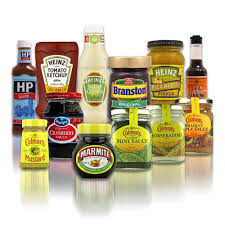

What about Mayo?  Sorry...

With processed refined soybean oil as the main ingredient in most
mayos, there's NOTHING healthy about mayonnaise.
It causes internal inflammation and harms your omega-6 to omega-3
balance with excess omega-6 fats.   Tartar sauce has the same issues
as mayo.If you can find a mayo made with 100% olive oil instead of
soybean oil, this would actually be a healthy choice.

Ketchup?  Not quite...

Yes, ketchup is made from tomatoes so it does contain the beneficial
nutrient lycopene.  Unfortunately ketchup has a high % of sugar, and
most brands are made with nasty high fructose corn syrup.  Not good.
Hey, I'm a ketchup lover myself, but I just try to keep the quantity
small to minimize the sugar intake.

Barbeque Sauce?  Nope...

BBQ sauce is actually worse than ketchup because it has higher levels
of sugar or HFCS and lower levels of actual tomato.  Strike 3 with
BBQ sauce.

Salad Dressing?  Not most store brands.

As you know from this salad dressing article of mine, there's not much
healthy about most store bought salad dressings...most contain HFCS
and soybean oil or unhealthy canola oil as the main ingredients.

Most "fat-free" salad dressings are simply loaded with extra sugar.
Plus, remember that you need a good fat source to go with your salad
to help absorb the vitamins and minerals in your veggies, so fat-free
dressing is not a good option.  Even most salad dressing brands that
claim to be "made with olive oil" only have small amounts of actual olive oil,
while unhealthy soybean or canola oils are main oils used.  Instead, follow
my healthy salad dressing recipe if you want a lean healthy body.

So, what are the top 5 healthiest condiments?

Below, I give you my top 5 picks for the healthiest condiments for a
lean healthy body.  Sure, there might be a few others not on this list that
are also healthy, but these are my top 5 picks:

1. Mustard

That's right... mustard is absolutely one of the healthiest condiments!
First, it has no added sugar.  Also, mustard seed itself is a source of
powerful antioxidants.  In addition to the antioxidants in the mustard seed,
most yellow mustards also contain turmeric (one of the healthiest anti-
cancer spices) and paprika, which both contain powerful antioxidants
as well!

2. Guacamole

I know, I know... when do I ever stop talking about avocados and
guacamole. Sorry, it's one of my favorite foods, and I eat avocados
or guac just about every single day.  At this point, I don't think I need to
explain why Gauc is healthy, as I think everybody knows this by now...
but a quick recap: lots of healthy fats (that satisfy your appetite and
regulate hormone balance), lots of fiber, and plenty of vitamins, minerals,
and antioxidants.

And creamy guac just makes anything taste better!  I put it on eggs,
on burgers, on chicken or fish, or just eat it with veggie sticks.
If you buy pre-made guac from the store, just be sure to check the
ingredients and make sure it doesn't have added trans fats or other
artificial ingredients. But it's so simple and fast to make fresh guac,
I don't know why anybody would buy pre-made guac.

3. Salsa

Although ketchup was on the unhealthy list due to the sugar content,
salsa makes the super healthy list as it almost never has added sugars
if you get a good brand.Salsa is mostly just vegetables so it's hard to
go wrong.  I like it on my morning eggs for variety sometimes.
I also like to mix salsa half and half with guac for a delicious party
treat!

And if you're a ketchup lover and want to reduce your sugar intake,
just try salsa instead for a much healthier option.  Trust me... salsa
on a burger is just as delicious as ketchup on a burger.

Just remember that the corn chips that people generally cram down
their throats with salsa are NOT even close to healthy.  Corn chips
are almost always fried in a heavily refined omega-6 oil such as corn
or soy oil, and are inflammatory. Plus, most corn used for corn chips
is genetically modified.Organic corn chips are a small step in the right
direction (this ensures it's not GMO corn), but I'd still try to keep the
quantity small if you're going to eat corn chips with salsa.

4. Hummus

Hummus is mostly just chickpeas, tahini, garlic, lemon, and olive oil,
and is easily one of the healthiest condiments or as a separate snack
by itself.

The main thing to look for when buying a good hummus is to make sure
it's made with olive oil and NOT soybean or canola oil.  Unfortunately
most brands use cheap soy or canola oil, but if you're a label reader, it's
easy to find a brand that uses solely olive oil.

One of my favorite snacks is just veggie sticks with hummus.  However,
hummus is also a delicious condiment to go with sandwiches, on top of
meat dishes, etc.

5. Pesto

Pesto is generally a mashed mix of garlic, pine nuts, basil, olive oil, and
grated cheese.  It's a great source of healthy fats and also powerful
antioxidants, mostly from the garlic and basil, but to some extent from the
pine nuts and olive oil too.

Pesto goes incredibly well with sandwiches, on meat dishes, or
surprisingly, even on eggs. There's one more condiment we didn't cover
yet that you might be wondering about.....What about hot sauce?
Actually, hot sauce is fairly healthy. Most hot sauces don't have added
sugars. And the hot peppers are actually good for you too and could even
cause a slight and temporary metabolism increase.
The only drawback to most hot sauces is a moderately high sodium content.
But unless you go nuts with loads of hot sauce on every meal, the sodium
content in hot sauce will not be an issue.

So now that you know 5 of the healthiest condiments, don't be afraid to
indulge next time you need one of these tasty additions to your meal.

Now for the BAD NEWS...

These 4 foods accelerate AGING in your body (avoid these 
and look 10 years younger!)

Saturday, 1 August 2015

The Top 7 Tips to STOP Getting Sick

Understand the REAL cause of sickness, and strengthen your immune system with these unique tips
stop getting sick
by Mike Geary - Certified Nutrition Specialist
Author of the best-sellers -- The Fat Burning Kitchen 
& The Top 101 Foods that FIGHT Aging

Note: The tips in this article can work anytime of the year to keep you healthy, strengthen your immune system, and prevent you from getting sick...not just in the winter months!
First of all, let us clear up a HUGE misconception about why more people get sick in the winter compared to warmer times of the year.  Let's talk about cold temperatures first.  You should realize that there's no such thing as "catching a cold" from cold temperatures.   I can't believe how many people still have this huge misconception that cold temperatures can make you sick...
This is blatantly false... Cold temperatures do NOT make you sick!
In fact, did you know that there are multiple studies that actually show that exposure to cold increases your immunity?  It's true!  One study I read recently even showed that cold therapy such as ice water baths or other cold water exposure (such as cold water swimming) stimulates an improvement in your immune system.  Other studies also show that cold water therapy can improve your immune system.
What about so-called "germs"?
So are there really more germs and cold & flu viruses floating around in the winter?  No, of course not!  In fact, some medical articles I've read have indicated that there might actually be a slightly larger amount of viruses all around us in the summer due to more favorable conditions for their survival on surfaces.
So then why do more people get sick in the winter?  Well, I'll give you a hint... it's not the temperature, but rather the strength of the suns rays, and how this affects your health... In winter in the northern hemisphere (Canada, US, Europe, etc) sicknesses spike, but at the same time, it's summer in the southern hemisphere (South America, Australia, New Zealand, etc), and while sicknesses are spiking in the northern hemisphere, sicknesses are at their lowest point in the southern hemisphere since it's their summer.
And then when we're in summer in the northern hemisphere and most sicknesses go away, it's winter in the southern hemisphere, so colds, flu, and other sicknesses spike in the southern hemisphere in July and August.
So is it the warm temperatures that decreases sickness?  Nope... It's actually all about the strength of the sun's UVB rays, and how much vitamin D your body produces due to the UVB rays on your skin!
There are 2 theories that many people pass around as to why more colds, flu, and sickness occur in the winter depending on which part of the world you're in...
Theory 1.  It may have to do with people generally spending more time indoors in the winter and thereby being exposed to more germs in enclosed buildings.  It's a nice theory, but people are generally still in offices from 9-5 all week long whether it's summer or winter.  As you'll see, theory 2 is the REAL culprit!
Theory 2.   The reason people get sick more in the winter is mostly due to a drastic reduction in their body's level of Vitamin D, which is directly responsible for how strong their immune system is.
The suns rays are too weak in the winter generally (depending on the latitude that you live), and therefore, Vitamin D levels in the body drop significantly, which reduces immunity. Most people don't realize how important sunlight and Vitamin D levels really are towards so many functions inside their body, including immune system and hormone production and balance.
Even for people that get outdoors in the winter often, if you live in the northern hemisphere to the North of an imaginary line from approximately Atlanta to Los Angeles, the suns rays (UVB rays) are not strong enough in the fall and winter months (approximately October through early March) because of the low sun angle in the sky to stimulate any significant Vitamin D production inside your body.  My blog post here describes how to figure out what time frame your "vitamin D winter" runs from at your exact latitude.
This aspect of lack of Vitamin D production and lowered immune strength in the winter months is what is actually the REAL reason why more sickness goes around in the winter.  So you can silently chuckle to yourself the next time that someone tells you to "bundle up" so you don't catch a cold.
So how can you boost your immune system so that your body fights off sickness before it takes hold of you?
So here is my little ritual that I have been using for a few years now and really seems to keep me from getting any colds, flu, or any sickness at all.
As a matter of fact, I can't remember the last time I was legitimately sick. I think it's been 15 years since I've actually been sick.  How many times have you and your family been sick in the last 9 years?  Most people seem to get sick at least once a month in the winters.
Every time I feel a cold or something starting to come on, I do this ritual, strengthen my immune system, and my body always fights off the cold or sickness before I actually get full-blown sick.

Here are my 7 most powerful tips to boost your immune system:

1. Focus on Vitamin D (but NOT in "fortified" foods or synthetic forms in pills)
This is probably THE most important of all of these tips!
If you get your vitamin D levels tested, you generally want to be between 40-80 ng/ml. Once you get above 50 ng/ml, that's where the real benefits start to happen with a maximized immune system and balanced hormones.
You might be surprised to know that MOST people have low vitamin D levels (especially in the winter), and a lot of people are surprised to find that they could be dangerously low.  Some people I know who thought they were reasonably healthy actually had levels below 20 ng/ml (one friend's level was measured at a shockingly dangerous 11 ng/ml), which is a range that could severely limit your immune system and hormone balance (and explains the frequent colds and hormone problems that they were having).
Personally, I found out that my winter levels a couple years ago were lower than I thought (around 35 ng/ml despite taking cod liver oil a couple times a week) and then after getting a few months of summer sun, my levels had jumped up to 52 ng/ml by the end of July, which is much healthier.  This was without any Vitamin D supplements as I wanted to get a good idea of where my levels stood from just food intake and sunshine as my sources.
Keep in mind though that I'm an avid hiker and mountain biker in the summer, and I live at high elevation (7500 feet above sea level), so I get a good deal of daily sun, which is why my levels jumped from 35-52 ng/ml after a couple months of daily summer sun.  For people that are in offices daily, you'll still most likely need supplemental Vitamin D3 to keep blood levels of vitamin D from dropping too low.
When it comes to Vitamin D, you need to be careful about artificial forms of vitamin D in many vitamin pills, as artificial vitamin forms are almost always either ineffective or possibly even detrimental compared to natural forms.  Vitamin D2 is generally the artificial version in multi-vitamins, although natural D2 does exist in some foods like mushrooms.  Natural Vitamin D from either cod liver oil and/or an oil-based D3 supplement are the best options in my opinion for the times of the year you're not getting enough sun.
Personally, this is the oil-based D3 supplement that I take during the winter now and also on days in the summer if I happen to go a few days without any sun.  I alternate this oil-based D3 supplement with a fermented cod liver oil throughout the winter, so that I get good natural vitamin D from various sources.
Keep in mind that it's best to get your vitamin D naturally from the sun if you can.  The sun is the absolute best source of vitamin D, and leads to a powerful strengthening of your immune system when your body can naturally produce Vitamin D from moderate sun exposure.  When the UVB rays (not UVA rays) from mid-day sun hit your skin, it reacts with oils in your skin to produce vitamin D that is slowly adbsorbed by your body.  Note that sunscreens block the ability of your body to produce vitamin D, and most sunscreens also contain carcinogenic chemicals that absorb into your blood stream.
Here is a previous article I did on how to get sun exposure in a healthy way without damaging your skin
I know not everybody can take a tropical vacation every winter, but if you can, it's best to try to take it right smack dab in the middle of the winter (when your vitamin D levels have dropped to their lowest)... getting even a few days to a week of good sun closer to the equator in the middle of winter can really help increase your vitamin D levels and strengthen your immune system for at least several weeks after the trip.
Remember that this does NOT mean getting burned in the sun... it means getting a moderate amount of sun on large portions of your body (not just your face) for approx 15-40 minutes per day WITHOUT sunscreen on (since sunscreen blocks the UV rays that directly stimulate the vitamin D production in your body).   Also, as a warning about sunscreens, see this article here about why sunscreens can possibly cause cancer and increase body fat.
Everybody is different based on their skin tone... very pale skin tones may only need 10-15 minutes or so in full sun in the middle of the day to get adequate vitamin D before any skin damage occurs, but darker skin tones may need a slightly longer time (sometimes 40-60 minutes) in the sun to produce adequate vitamin D.  To protect your skin, it's essential to get enough sun without sunscreen on, but NOT get burned.
In general, the UVB rays are only strongest from about 10 am to 3 pm to trigger Vitamin D production in your body (depending on time of year, latitude, and altitude).  For example, in NY city, while you may be able to produce vitamin D in your skin between 9am to 4pm in June or July, that time frame when UVB rays are strong enough might have shrunk to only 11am to 1pm by the end of September... and by late October in NYC, according to charts of sun height in the sky, you can't produce any vitamin D even in mid-day sun as the sun is too low in the sky and UVB rays too weak.
With that said, I understand that a tropical vacation in the winter is not possible for everybody's schedule based on either work or finances, so...
Since you may not be going on a tropical vacation this winter, how can you still keep Vitamin D levels from falling dangerously low in your body?
Well, the best food sources of natural Vitamin D are egg yolks (from hens fed a healthy diet and allowed to get their own sunshine), fatty fish such as salmon and mackerel, organ meats, and some mushrooms (some portobella mushrooms and maitake mushroom are fairly good sources of vitamin D, although the type of vitamin D in mushrooms might not be the best utilized source in your body).  However, keep in mind that it's tough to get enough vitamin D in the winter from food sources alone.
But what I do to make sure I'm at least getting a decent amount of the best absorbed vitamin D is to take a moderate dose of fermented cod liver oil daily in the winter to make sure my vitamin D levels don't fall too low.  Make sure to take only small to moderate doses of cod liver oil, as large doses can possibly give you an overdose of Vitamin A.
What I've done lately is to only take cod liver oil about 3 days per week, to prevent taking in too much vitamin A.  On the other 4 days per week (only in the winter), I take an oil-based vitamin D3 supplement. It's important to choose an oil-based D3 supplement as it's better utilized by your body.
I'm also a big fan of Prograde Nutrition's natural VGF-25 multi-vitamin, which derives it's vitamin D from natural fish liver oil instead of a synthetic form of vitamin D.  All of the other vitamins in VGF-25 (which stands for "25 veggies, greens, and fruits") are naturally derived too instead of most multi-vitamins that you find at your corner store that are synthetic.
By the way, fortified milk has added synthetic vitamin D, so it is NOT a good source.  In fact, I don't trust any "fortified" foods at all, including terribly unhealthy breakfast cereals which claim to be good sources of vitamin D... not so!  Also make sure to read this article, which explains how our food supply has been modified in recent decades and now lacks the vitamin D that it used to contain decades ago.
2. Garlic to strengthen your immune system!
Garlic is one of the most potent of all superfoods!  Not only does high dose garlic go back thousands of years for treatment of sickness, but recent studies back up the legendary claims for garlic boosting your immune system.
What's best though -- "aged" garlic pills, whole garlic in foods, capsules, etc?  I can't seem to find a consensus on this one, so what I simply try to do is use a variety of sources, including garlic powder on a lot of my foods, fresh chopped garlic in meals, and also a garlic capsule or two each day.
If I feel a possible cold or sickness coming on, I really start loading garlic into my foods heavily and I take a few extra garlic capsules that day too.

3. Kombucha tea, Kefir, Fermented foods (and other sources of probiotics) strengthen your immune system
Kombucha tea is a fermented tea (naturally effervescent) that contains billions of friendly gut organisms (probiotics) that help to strengthen your immune system by bolstering your levels of good organisms in your gut, which provides a first level of defense against pathogens from things you ingest.
Remember that 70% of your immune system lies in your gut flora and the health of the friendly organisms in there to protect you against pathogens and sickness.
You can find bottles of Kombucha tea or other probiotic drinks at health food stores such as Whole Foods.
Kefir is a cultured/fermented dairy drink that's been used for thousands of years as a health elixer in many parts of the world.  Kefir is an even better source of probiotics than Kombucha tea, but keep in mind that variety is best when it comes to probiotics, so use various sources for the best benefits to your digestive system and immune system.  Kefir is also the easiest form of dairy to digest due to the pre-digestion that's done by the probiotic microorganisms, and due to this, kefir is generally 99% lactose free.  Read this article to see why Kefir is a more powerful source of gut-friendly probiotics than yogurt.
When I feel any sickness coming on, I start loading up on Kombucha tea and Kefir, drinking them both throughout the day.  I've started seeing other probiotic drinks on the market recently too, so just make sure to look for one that has very minimal sugar per serving (3-6 grams per 8 oz serving is acceptable, but much more than that is too sugary).  Kevita is one brand of probiotic drink that is really delicious and has minimal sugar, while also containing around 8-10 Billion organisms per bottle I believe.
You can also get beneficial probiotics from fermented foods such as sauerkraut (non-canned), yogurt, kimchi, and other fermented foods.  There are also plenty of probiotic supplements you can take, one of which is a delicious drink called Athletic Greens, which contains 7 Billion probiotics per serving among 76 other superfood ingredients.  I start off every morning with this superfoods drink mixed with fresh squeezed lemon and unsweetened iced tea... Great stuff!
Another probiotic product that I personally take is called Pro-x10 and is one of the most powerful probiotics I've come across yet, with the equivalent of 50 Billion probiotics, and a micro-encapsulation technology that gets more live probiotics to your intestines, so they don't die in your stomach.

4. Green tea, Chamomile Tea, and other teas
There is evidence that green tea and chamomile tea can help aid in strengthening the immune system.
Even if the effect is small, you can't go wrong because both are loaded with powerful antioxidants unique to each tea.
For that reason, I try to drink a couple cups of green tea with a small bit of raw honey early in the day, and then at night, I have a couple cups of chamomile or mint tea.
This isn't a bad idea even for a regular habit, but it's even more important when you feel a sickness possibly coming on.  I also drink a lot of other teas too such as Rooibos tea, which is thought to be even higher in antioxidants than green tea.

5. Loading up on antioxidants
We already know how important antioxidants are to overall health as well as immune system support.
For this reason, I make sure to really load up on antioxidant-rich fruits, berries, teas, red wine, unsweetened organic cocoa (in smoothies, etc), and veggies to help prevent sickness.
Sometimes I make what I call my "Superhuman smoothie", which I believe can really bolster your immune system, with loads of powerful antioxidant-rich berries, a few veggies, raw cacao, maca, spirulina, chia seeds, and any other superfoods I can think to throw in there.


6. Light exercise (yes - light exercise, not hard)
When you feel a sickness coming on, a super-high intensity workout is not a good idea, as hard training forces the body to do a lot of recovery, this at a time when your body needs all of it's efforts on trying to fight off the oncoming sickness.
Although I usually recommend high intensity training most times... when sickness might be coming on, it's just a good idea to get some light exercise instead.
Personally, I like to get outside for some fresh air and go for a hike or go snowshoeing in the winter. These aren't very strenuous for me, so they won't cause my body to be forced to do a lot of recovery... but just getting out in the fresh air and getting the circulation going I feel is good to help the body fight off the sickness.

7. Avoid ALL processed foods, wheat-based foods, and sweetened soft drinks
If you're serious about your health and getting lean for life, this should be an everyday rule for you anyway (except maybe for cheat meals)...
However, when you might have a sickness coming on, this is no time to bombard your body with processed foods, inflammatory omega-6 oils (soybean oil, corn oil, etc), fried foods, high fructose corn syrup, refined sugars, wheat-based foods or chemical additives.
All of these force your body to do extra work to deal with all of this junk and the internal inflammation that they cause in your body.  And by the way, grain-based foods like bread, cereal, muffins, pasta, and bagels are a big culprit in causing internal inflammation and disrupting normal gut function, so avoid grains as much as possible.  In case you're new to the science of Paleolithic nutrition, humans don't actually need grains to survive...grains were never a part of the ancient human diet until agriculture came around only about ten thousand years ago. If you haven't seen this article yet, here are 11 reasons why whole wheat damages your body.( see my articles on my blog)
Instead, (especially when you might be getting sick) you need to give your body only wholesome unprocessed foods that are only 1 ingredient and that we were meant to digest most efficiently...fruits, berries, veggies, eggs, nuts, seeds, grass-fed meats, etc.
I also have a daily serving of immune system boosting Athletic Greens, which is surprisingly delicious, plus contains loads of probiotics and antioxidants, and other immune supporting superfoods (76 superfoods mixed into one delicious drink!).
These 7 tips will go a LONG way to helping to ward off that sickness that is trying to get a hold of you... Here's to a healthy strong body!
Note: I'm not a doctor, and none of these tips are prescriptions for any individual person... they are simply the steps I've personally used over the years to successfully fight off sickness pretty much every single time.  Again, I haven't been legitimately sick in at LEAST 9 years now that I use these steps!

Please feel free to share this page with your friends and family to keep them healthy and strong!

Thursday, 20 March 2014

Never grill meat, unless you do THIS

The problem with grilled meats and HCA formation -
how to counteract carcinogens and make meat healthier

by Mike Geary - Certified Nutrition Specialist
Author of the best seller: The Top 101 Foods that FIGHT Aging

Most people aren't aware that when you cook meat (whether it's
grilled, broiled, or seared) there are carcinogenic compounds
that can form called HCA's (heterocyclic amines).
Now don't panic...you ingest various carcinogens all the time,
even with some vegetables. You can always protect yourself with
more antioxidants.

Please Note:  When you cook meat in a water base as opposed to
grilling, broiling, or searing, you eliminate the HCAs. So for
example, meats cooked in a soup, or meats cooked in a crock pot
will not have the problem of the carcinogenic HCAs and is a
healthier way to cook meat.

But let's face it... grilled meat tastes awesome and there's no
way I'm giving up my grass-fed steak from the grill, or my
grass-fed burgers!

That's why it's important to know that there's a way you can use
spices to both counteract, and also drastically reduce the
carcinogens formed when you grill meat...

If you're going to grill meats, marinating meats for hours beforehand
in liquid mixtures that contain rosemary and other herbs/spices can
dramatically help to reduce HCA's (heterocyclic amines), which are
carcinogenic compounds that can form when meats are grilled.
So using rosemary, thyme, garlic, oregano and other spices in a meat
marinade before grilling meats can drastically reduce any carcinogens
that normally would form on grilled meat.

The antioxidants in rosemary and thyme from a marinade were
specifically cited in studies at being powerful inhibitors of HCA
formation when grilling meats.  But it was also noted that other
spices such as garlic, oregano, and others can help to prevent HCA
formation as well, so I suggest using a variety, which tastes
great anyway!

One more important point about grilling meat:

Remember that the more well-done a meat is cooked, the higher
concentration of carcinogenic HCA's can form, so rare, medium-rare,
or medium are healthier choices than well-done.
I've never understood why anybody would want to ruin a good steak
by burning it to oblivion anyway.  But hey, if you're one of those
folks that likes your steaks well-done, just remember that you're
eating a lot more carcinogens than a steak that's cooked less, so
make sure to load up on your antioxidants (spices, teas, berries,
etc) to help combat those extra carcinogens.

Washing down your barbequed meal with a glass of unsweetened iced tea
(rich in antioxidants) and also a good salad with lots of raw veggies
can provide the antioxidants needed to counteract the effect of HCAs
in your body from grilled meat.

By the way, even charring vegetables on the grill creates different
carcinogens such as acrylamides, so don't think that the negative
effect of charring only applies to meats.

Hey, we all love a great barbeque, so no need to give that up just
because of HCAs or acrylamides, but at least now you know how to
counteract the effects of these in your body to protect yourself,
and also how to use spices to drastically reduce the formation of
HCAs on grilled meat!

Lastly, remember that you can use superfoods such as spices, herbs,
fruits, veggies, and even some animal-based superfoods to fight
against cancer development, reduce high blood pressure, prevent
diabetes, prevent heart disease, and even BOOST your metabolism
for a flatter stomach.