Lose Belly fat For Life

Welcome to my blog where you can learn how to lose that stubborn belly fat and get your six pack Abs on show.

An Educational Resource

Learn what foods will help you lose belly fat and foods that won't.

Exercise Right!

Learn what exercises will help you get those stubborn abs defined, and get the body you have always wanted.

Eat Right!

Learn what foods will help you get the healthy body you have always wanted.

Get Started Today!

Claim your FREE e-book & follow these simple tips and live the healthier lifestyle you deserve.

5 Tips
Showing posts with label olive oil. Show all posts

Sunday, 13 September 2015

Which of these cooking oils are destroying your health?

(the truth may surprise you!)
Some of these oils are healthy and some are VERY unhealthy -- soybean oil, olive oil, coconut oil, corn oil, etc... Let's take a closer look.
by Mike Geary, Certified Nutrition Specialist, Certified Personal Trainer
Author of best-sellers: The Fat Burning Kitchen 
& The Top 101 Foods that FIGHT Aging


Today, I wanted to give you my take on a confusing subject to most people:
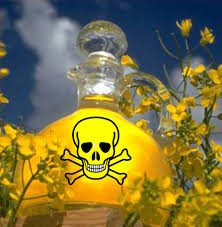
Image result for canola oil...why some oils and fats you may use in cooking, baking, or other food use are actually harmful to your body, and why some are healthful.
Here's the deal...
A lot of people seem to think that anything labeled as "vegetable oil" is good for you. NOT A SHOT!
Most of what is labeled as "vegetable oil" is simply heavily refined soybean oil (processed under high heat, pressure, and industrial solvents, such as hexane)... sometimes perhaps it may also be heavily refined cottonseed, safflower, corn, grapeseed, or other oils too.
In most instances, almost all of these processed oils are NOT HEALTHY for you.  I'll explain why below...
If you buy processed food or deep fried food, you can usually be certain that these unhealthy oils are used to prepare your foods (or worse, it may use hydrogenated versions of these oils... aka - trans fats).
You may have even bought some of these oils for your own cooking or baking at home.
The problem with soybean oil, cottonseed oil, corn oil, safflower oil, and other similar "vegetable oils" is that they are mostly composed of polyunsaturated fats (the most highly reactive type of fat) which leaves them prone to oxidation and free radical production when exposed to heat and light.
Processed polyunsaturated oils are the most inflammatory inside our bodies because of their high reactivity to heat and light. This inflammation is what causes many of our internal problems to develop such as heart disease, cancer, and other degenerative diseases.
Note: It's ok if a polyunsaturated fat source isn't processed such as in whole foods like various nuts and seeds... In that case it's usually not inflammatory (as long as it's not been exposed to high heat), and nuts are usually a great source of healthy polyunsaturated fats. By the way, omega-6 and omega-3 fatty acids are both polyunsaturates, and a healthy balance of approx 1:1 to 3:1 ratio of omega-6 to omega-3 is considered healthiest.
Your best bet is to choose raw nuts and seeds whenever possible to avoid the oxidation of polyunsaturated fats that can occur during roasting of nuts and seeds.  Keep in mind though that some nuts are mostly monounsaturated, (for example, macadamias), so the issue of roasted vs raw nuts is less of an issue for highly monounsaturated nuts.
However, all of the vegetable oils listed above are generally heavily refined during processing, so that makes them already inflammatory before you even cook with them (which does even more damage).
Here's the actual order of stability of a type of fat under heat and light (from least stable to most stable):
1. polyunsaturated
2. monounsaturated
3. saturated

Here's something that mainstream health professionals will never tell you...
Saturated fats are actually the healthiest oils to cook with!​
Why?  Because they are much more stable in cooking conditions and less inflammatory than polyunsaturated oils with cooking.
This is why tropical oils such as palm and coconut oils (and even animal fats such as lard and butter) are best for cooking... they have very little polyunsaturates and are mostly composed of natural saturated fats which are the least reactive to heat/light and therefore the least inflammatory in your body from cooking use.
That's also why natural butter (NOT margarine) is one of the best fats for cooking. This all goes directly against what you hear in mainstream health talk... because most health professionals don't truly understand the biochemistry of fats, and falsely believe that saturated fats are bad for you... when in fact, they are actually neutral in most instances... and saturated fats from tropical oils are actually good for you as they contain mostly medium chain triglycerides (MCTs) which are lacking in most people's diets.
In fact, lauric acid is one of the abundant MCTs in tropical oils and is known to strengthen the immune system.  Lauric acid is even being studied currently in medical studies for controlling contagious diseases.
To summarize... your best cooking or baking fats are generally butter or tropical oils such as palm or coconut oil.  Olive oil (extra virgin preferably) is okay for lower cooking temps as it's mostly monounsaturated, so moderately stable.  I also like avocado oil and macadamia nut oil for baking as they are mostly monounsaturated and relatively stable for baking, plus add great flavor!
The mostly polyunsaturated oils such as soybean, corn, grapeseed, cottonseed, safflower, etc, are the least healthy for cooking or baking.
My choices for top healthy cooking oils that I use:
  • Virgin Coconut Oil (very stable at med-high temps and healthy fats)
  • Extra Virgin Olive Oil (only for low temp cooking)
  • Real Butter (grass fed butter is actually healthy and contains important nutrients like vitamin K2, omega-3's, and CLA.  Kerrygold is a popular brand of Irish butter that's grass-fed and readily available in most grocery stores)
Of course, with all of that said... we should keep in mind that trying minimize our cooking with oils can help to reduce overall calories. Cooking with oils in moderation is okay and can actually help satisfy your appetite more, but be careful not to overdo it as the calories can add up fast.
Also, please don't be fooled by deceptive marketing claiming that canola oil is healthy for you -- it's NOT!
So enjoy your coconut oil, grass-fed butter, and delicious extra-virgin olive oils knowing that you're doing your body GOOD!  But just make sure to stay FAR AWAY from dangerous inflammatory vegetable oils like soybean oil, corn oil, and cottonseed oils which are used in so many processed foods these days.
Also remember that most salad dressings you find at the store are loaded with unhealthy soybean or canola oils usually, so make your own with healthy olive oil instead.

But BEWARE...
Although using real butter, coconut oil, & extra virgin olive oil can be a super-healthy choice for a lean, healthy, & strong body as well as fighting the aging process, if you follow the tips you just learned...
On the next page, I want to share with you exactly why you should STOP eating foods like whole wheat bread, certain types of milk, sugar, soy, and even some ‘heart healthy’ foods, as well as how these foods are silently KILLING you and your family.

Click the ‘next page’ link below to discover how these foods are destroying your health, causing weight gain, & accelerating aging.

Saturday, 29 August 2015

The Top 5 Healthiest Condiments (and the WORST)

by Mike Geary, Certified Nutrition Specialist, Certified Personal
Trainer, Author of best sellers:  The Truth About Six Pack Abs &
The Top 101 Foods that FIGHT Aging

I'm sure you can think of all sorts of condiments that are obviously
NOT healthy...


What about Mayo?  Sorry...

With processed refined soybean oil as the main ingredient in most
mayos, there's NOTHING healthy about mayonnaise.
It causes internal inflammation and harms your omega-6 to omega-3
balance with excess omega-6 fats.   Tartar sauce has the same issues
as mayo.If you can find a mayo made with 100% olive oil instead of
soybean oil, this would actually be a healthy choice.

Ketchup?  Not quite...

Yes, ketchup is made from tomatoes so it does contain the beneficial
nutrient lycopene.  Unfortunately ketchup has a high % of sugar, and
most brands are made with nasty high fructose corn syrup.  Not good.
Hey, I'm a ketchup lover myself, but I just try to keep the quantity
small to minimize the sugar intake.

Barbeque Sauce?  Nope...

BBQ sauce is actually worse than ketchup because it has higher levels
of sugar or HFCS and lower levels of actual tomato.  Strike 3 with
BBQ sauce.

Salad Dressing?  Not most store brands.

As you know from this salad dressing article of mine, there's not much
healthy about most store bought salad dressings...most contain HFCS
and soybean oil or unhealthy canola oil as the main ingredients.

Most "fat-free" salad dressings are simply loaded with extra sugar.
Plus, remember that you need a good fat source to go with your salad
to help absorb the vitamins and minerals in your veggies, so fat-free
dressing is not a good option.  Even most salad dressing brands that
claim to be "made with olive oil" only have small amounts of actual olive oil,
while unhealthy soybean or canola oils are main oils used.  Instead, follow
my healthy salad dressing recipe if you want a lean healthy body.

So, what are the top 5 healthiest condiments?

Below, I give you my top 5 picks for the healthiest condiments for a
lean healthy body.  Sure, there might be a few others not on this list that
are also healthy, but these are my top 5 picks:

1. Mustard

That's right... mustard is absolutely one of the healthiest condiments!
First, it has no added sugar.  Also, mustard seed itself is a source of
powerful antioxidants.  In addition to the antioxidants in the mustard seed,
most yellow mustards also contain turmeric (one of the healthiest anti-
cancer spices) and paprika, which both contain powerful antioxidants
as well!

2. Guacamole

I know, I know... when do I ever stop talking about avocados and
guacamole. Sorry, it's one of my favorite foods, and I eat avocados
or guac just about every single day.  At this point, I don't think I need to
explain why Gauc is healthy, as I think everybody knows this by now...
but a quick recap: lots of healthy fats (that satisfy your appetite and
regulate hormone balance), lots of fiber, and plenty of vitamins, minerals,
and antioxidants.

And creamy guac just makes anything taste better!  I put it on eggs,
on burgers, on chicken or fish, or just eat it with veggie sticks.
If you buy pre-made guac from the store, just be sure to check the
ingredients and make sure it doesn't have added trans fats or other
artificial ingredients. But it's so simple and fast to make fresh guac,
I don't know why anybody would buy pre-made guac.

3. Salsa

Although ketchup was on the unhealthy list due to the sugar content,
salsa makes the super healthy list as it almost never has added sugars
if you get a good brand.Salsa is mostly just vegetables so it's hard to
go wrong.  I like it on my morning eggs for variety sometimes.
I also like to mix salsa half and half with guac for a delicious party
treat!

And if you're a ketchup lover and want to reduce your sugar intake,
just try salsa instead for a much healthier option.  Trust me... salsa
on a burger is just as delicious as ketchup on a burger.

Just remember that the corn chips that people generally cram down
their throats with salsa are NOT even close to healthy.  Corn chips
are almost always fried in a heavily refined omega-6 oil such as corn
or soy oil, and are inflammatory. Plus, most corn used for corn chips
is genetically modified.Organic corn chips are a small step in the right
direction (this ensures it's not GMO corn), but I'd still try to keep the
quantity small if you're going to eat corn chips with salsa.

4. Hummus

Hummus is mostly just chickpeas, tahini, garlic, lemon, and olive oil,
and is easily one of the healthiest condiments or as a separate snack
by itself.

The main thing to look for when buying a good hummus is to make sure
it's made with olive oil and NOT soybean or canola oil.  Unfortunately
most brands use cheap soy or canola oil, but if you're a label reader, it's
easy to find a brand that uses solely olive oil.

One of my favorite snacks is just veggie sticks with hummus.  However,
hummus is also a delicious condiment to go with sandwiches, on top of
meat dishes, etc.

5. Pesto

Pesto is generally a mashed mix of garlic, pine nuts, basil, olive oil, and
grated cheese.  It's a great source of healthy fats and also powerful
antioxidants, mostly from the garlic and basil, but to some extent from the
pine nuts and olive oil too.

Pesto goes incredibly well with sandwiches, on meat dishes, or
surprisingly, even on eggs. There's one more condiment we didn't cover
yet that you might be wondering about.....What about hot sauce?
Actually, hot sauce is fairly healthy. Most hot sauces don't have added
sugars. And the hot peppers are actually good for you too and could even
cause a slight and temporary metabolism increase.
The only drawback to most hot sauces is a moderately high sodium content.
But unless you go nuts with loads of hot sauce on every meal, the sodium
content in hot sauce will not be an issue.

So now that you know 5 of the healthiest condiments, don't be afraid to
indulge next time you need one of these tasty additions to your meal.

Now for the BAD NEWS...

These 4 foods accelerate AGING in your body (avoid these 
and look 10 years younger!)

Thursday, 16 July 2015

The Top 5 Healthiest Condiments (and the WORST)

http://losebellyfatforlife.com

healthy or unhealthy condimentsby
Mike Geary, Certified Nutrition Specialist, Certified Personal Trainer
Author of best sellers: 
The Truth About Six Pack Abs & The Fat Burning Kitchen

I'm sure you can think of all sorts of condiments that are obviously NOT healthy...

What about Mayo?  Sorry...
With processed refined soybean oil as the main ingredient in most mayos, there's NOTHING healthy about mayonnaise.  It causes internal inflammation and harms your omega-6 to omega-3 balance with excess omega-6 fats.   Tartar sauce has the same issues as mayo.  If you can find a mayo made with 100% olive oil instead of soybean oil, this would actually be a healthy choice.

Ketchup?  Not quite...

Yes, ketchup is made from tomatoes so it does contain the beneficial nutrient lycopene.  Unfortunately ketchup has a high % of sugar, and most brands are made with nasty high fructose corn syrup.  Not good.  Hey, I'm a ketchup lover myself, but I just try to keep the quantity small to minimize the sugar intake.
Barbeque Sauce?  Nope...

BBQ sauce is actually worse than ketchup because it has higher levels of sugar or HFCS and lower levels of actual tomato.  Strike 3 with BBQ sauce.
Salad Dressing?  Not most store brands...

As you know from this salad dressing article of mine, there's not much healthy about most store bought salad dressings...most contain HFCS and soybean oil or unhealthy canola oil as the main ingredients.
Most "fat-free" salad dressings are simply loaded with extra sugar.  Plus, remember that you need a good fat source to go with your salad to help absorb the vitamins and minerals in your veggies, so fat-free dressing is not a good option.  Even most salad dressing brands that claim to be "made with olive oil" only have small amounts of actual olive oil, while unhealthy soybean or canola oils are main oils used.  Instead, follow my healthy salad dressing recipe if you want a lean healthy body.


So, what are the top 5 healthiest condiments?
Below, I give you my top 5 picks for the healthiest condiments for a lean healthy body.  Sure, there might be a few others not on this list that are also healthy, but these are my top 5 picks:
1. Mustard
That's right... mustard is absolutely one of the healthiest condiments!  First, it has no added sugar.  Also, mustard seed itself is a source of powerful antioxidants.  In addition to the antioxidants in the mustard seed, most yellow mustards also contain turmeric (one of the healthiest anti-cancer spices) and paprika, which both contain powerful antioxidants as well!
2. Guacamole
I know, I know... when do I ever stop talking about avocados and guacamole.  Sorry, it's one of my favorite foods, and I eat avocados or guac just about every single day.  At this point, I don't think I need to explain why Gauc is healthy, as I think everybody knows this by now... but a quick recap:  lots of healthy fats (that satisfy your appetite and regulate hormone balance), lots of fiber, and plenty of vitamins, minerals, and antioxidants.

And creamy guac just makes anything taste better!  I put it on eggs, on burgers, on chicken or fish, or just eat it with veggie sticks.  If you buy pre-made guac from the store, just be sure to check the ingredients and make sure it doesn't have added trans fats or other artificial ingredients.  But it's so simple and fast to make fresh guac, I don't know why anybody would buy pre-made guac.
3. Salsa
Although ketchup was on the unhealthy list due to the sugar content, salsa makes the super healthy list as it almost never has added sugars if you get a good brand.  Salsa is mostly just vegetables so it's hard to go wrong.  I like it on my morning eggs for variety sometimes.  I also like to mix salsa half and half with guac for a delicious party treat!
And if you're a ketchup lover and want to reduce your sugar intake, just try salsa instead for a much healthier option.  Trust me... salsa on a burger is just as delicious as ketchup on a burger.

Just remember that the corn chips that people generally cram down their throats with salsa are NOT even close to healthy.  Corn chips are almost always fried in a heavily refined omega-6 oil such as corn or soy oil, and are inflammatory.  Plus, most corn used for corn chips is genetically modified.   Organic corn chips are a small step in the right direction (this ensures it's not GMO corn), but I'd still try to keep the quantity small if you're going to eat corn chips with salsa.
4. Hummus
Hummus is mostly just chickpeas, tahini, garlic, lemon, and olive oil, and is easily one of the healthiest condiments or as a separate snack by itself.
The main thing to look for when buying a good hummus is to make sure it's made with olive oil and NOT soybean or canola oil.  Unfortunately most brands use cheap soy or canola oil, but if you're a label reader, it's easy to find a brand that uses solely olive oil.
One of my favorite snacks is just veggie sticks with hummus.  However, hummus is also a delicious condiment to go with sandwiches, on top of meat dishes, etc.

5. Pesto
Pesto is generally a mashed mix of garlic, pine nuts, basil, olive oil, and grated cheese.  It's a great source of healthy fats and also powerful antioxidants, mostly from the garlic and basil, but to some extent from the pine nuts and olive oil too.
Pesto goes incredibly well with sandwiches, on meat dishes, or surprisingly, even on eggs.
There's one more condiment we didn't cover yet that you might be wondering about...
What about hot sauce?  Actually, hot sauce is fairly healthy.  Most hot sauces don't have added sugars.  And the hot peppers are actually good for you too and could even cause a slight and temporary metabolism increase.  The only drawback to most hot sauces is a moderately high sodium content.   But unless you go nuts with loads of hot sauce on every meal, the sodium content in hot sauce will not be an issue.
So now that you know 5 of the healthiest condiments, don't be afraid to indulge next time you need one of these tasty additions to your meal.
Now for the BAD NEWS...
On the next page, we'll show you at least 23 so-called "healthy" foods that could be causing diabetes, weight gain, high blood pressure, cancer and more, so you NEED to be informed about these:

Next page:  The top 23 "health" foods to AVOID  (these cause weight gain, diabetes, high blood pressure, cancer and more)
If you liked today's article, please feel free to share with friends and family below.

Thursday, 9 July 2015

Which of these cooking oils are destroying your health? (the truth may surprise you!)

Some of these oils are healthy and some are VERY unhealthy -- soybean oil, olive oil, coconut oil, corn oil, etc... Let's take a closer look.

by Mike Geary, Certified Nutrition Specialist, Certified Personal Trainer
Author of best-sellers: The Truth About 6-Pack Abs 
& The Top 101 Foods that FIGHT Aging


Today, I wanted to give you my take on a confusing subject to most people:
...why some oils and fats you may use in cooking, baking, or other food use are actually harmful to your body, and why some are healthful.
Here's the deal...
A lot of people seem to think that anything labeled as "vegetable oil" is good for you. NOT A SHOT!
Most of what is labeled as "vegetable oil" is simply heavily refined soybean oil (processed under high heat, pressure, and industrial solvents, such as hexane)... sometimes perhaps it may also be heavily refined cottonseed, safflower, corn, grapeseed, or other oils too.
In most instances, almost all of these processed oils are NOT HEALTHY for you.  I'll explain why below...
If you buy processed food or deep fried food, you can usually be certain that these unhealthy oils are used to prepare your foods (or worse, it may use hydrogenated versions of these oils... aka - trans fats).
You may have even bought some of these oils for your own cooking or baking at home.
The problem with soybean oil, cottonseed oil, corn oil, safflower oil, and other similar "vegetable oils" is that they are mostly composed of polyunsaturated fats (the most highly reactive type of fat) which leaves them prone to oxidation and free radical production when exposed to heat and light.
Processed polyunsaturated oils are the most inflammatory inside our bodies because of their high reactivity to heat and light. This inflammation is what causes many of our internal problems to develop such as heart disease, cancer, and other degenerative diseases.
Note: It's ok if a polyunsaturated fat source isn't processed such as in whole foods like various nuts and seeds... In that case it's usually not inflammatory (as long as it's not been exposed to high heat), and nuts are usually a great source of healthy polyunsaturated fats. By the way, omega-6 and omega-3 fatty acids are both polyunsaturates, and a healthy balance of approx 1:1 to 3:1 ratio of omega-6 to omega-3 is considered healthiest.
Your best bet is to choose raw nuts and seeds whenever possible to avoid the oxidation of polyunsaturated fats that can occur during roasting of nuts and seeds.  Keep in mind though that some nuts are mostly monounsaturated, (for example, macadamias), so the issue of roasted vs raw nuts is less of an issue for highly monounsaturated nuts.
However, all of the vegetable oils listed above are generally heavily refined during processing, so that makes them already inflammatory before you even cook with them (which does even more damage).
Here's the actual order of stability of a type of fat under heat and light (from least stable to most stable):
1. polyunsaturated
2. monounsaturated
3. saturated

Here's something that mainstream health professionals will never tell you...
Saturated fats are actually the healthiest oils to cook with!
Why?  Because they are much more stable in cooking conditions and less inflammatory than polyunsaturated oils with cooking.
This is why tropical oils such as palm and coconut oils (and even animal fats such as lard and butter) are best for cooking... they have very little polyunsaturates and are mostly composed of natural saturated fats which are the least reactive to heat/light and therefore the least inflammatory in your body from cooking use.
That's also why natural butter (NOT margarine) is one of the best fats for cooking. This all goes directly against what you hear in mainstream health talk... because most health professionals don't truly understand the biochemistry of fats, and falsely believe that saturated fats are bad for you... when in fact, they are actually neutral in most instances... and saturated fats from tropical oils are actually good for you as they contain mostly medium chain triglycerides (MCTs) which are lacking in most people's diets.
In fact, lauric acid is one of the abundant MCTs in tropical oils and is known to strengthen the immune system.  Lauric acid is even being studied currently in medical studies for controlling contagious diseases.
To summarize... your best cooking or baking fats are generally butter or tropical oils such as palm or coconut oil.  Olive oil (extra virgin preferably) is okay for lower cooking temps as it's mostly monounsaturated, so moderately stable.  I also like avocado oil and macadamia nut oil for baking as they are mostly monounsaturated and relatively stable for baking, plus add great flavor! 
The mostly polyunsaturated oils such as soybean, corn, grapeseed, cottonseed, safflower, etc, are the least healthy for cooking or baking.
My choices for top healthy cooking oils that I use:
  • Virgin Coconut Oil (very stable at med-high temps and healthy fats)
  • Extra Virgin Olive Oil (only for low temp cooking)
  • Real Butter (grass fed butter is actually healthy and contains important nutrients like vitamin K2, omega-3's, and CLA.  Kerrygold is a popular brand of Irish butter that's grass-fed and readily available in most grocery stores)
Of course, with all of that said... we should keep in mind that trying minimize our cooking with oils can help to reduce overall calories. Cooking with oils in moderation is okay and can actually help satisfy your appetite more, but be careful not to overdo it as the calories can add up fast.
Also, please don't be fooled by deceptive marketing claiming that canola oil is healthy for you -- it's NOT! 
So enjoy your coconut oil, grass-fed butter, and delicious extra-virgin olive oils knowing that you're doing your body GOOD!  But just make sure to stay FAR AWAY from dangerous inflammatory vegetable oils like soybean oil, corn oil, and cottonseed oils which are used in so many processed foods these days.
Also remember that most salad dressings you find at the store are loaded with unhealthy soybean or canola oils usually, so make your own with healthy olive oil instead (I have a great healthy salad dressing recipe here)

To your health,

Mike Geary

Thursday, 27 March 2014

Which of these cooking oils are destroying your health? (the truth may surprise you!)

Some of these oils are healthy and some are VERY unhealthy -- soybean oil, olive oil, coconut oil, corn oil, etc... Let's take a closer look.
by Mike Geary, Certified Nutrition Specialist, Certified Personal Trainer
Author of best-sellers: The Truth About 6-Pack Abs 
& The Top 101 Foods that FIGHT Aging


Today, I wanted to give you my take on a confusing subject to most people:
...why some oils and fats you may use in cooking, baking, or other food use are actually harmful to your body, and why some are healthful.
Here's the deal...
A lot of people seem to think that anything labeled as "vegetable oil" is good for you. NOT A SHOT!
Most of what is labeled as "vegetable oil" is simply heavily refined soybean oil (processed under high heat, pressure, and industrial solvents, such as hexane)... sometimes perhaps it may also be heavily refined cottonseed, safflower, corn, grapeseed, or other oils too.
In most instances, almost all of these processed oils are NOT HEALTHY for you.  I'll explain why below...

If you buy processed food or deep fried food, you can usually be certain that these unhealthy oils are used to prepare your foods (or worse, it may use hydrogenated versions of these oils... aka - trans fats).

You may have even bought some of these oils for your own cooking or baking at home.
The problem with soybean oil, cottonseed oil, corn oil, safflower oil, and other similar "vegetable oils" is that they are mostly composed of polyunsaturated fats (the most highly reactive type of fat) which leaves them prone to oxidation and free radical production when exposed to heat and light.
Processed polyunsaturated oils are the most inflammatory inside our bodies because of their high reactivity to heat and light. This inflammation is what causes many of our internal problems to develop such as heart disease, cancer, and other degenerative diseases.
Note: It's ok if a polyunsaturated fat source isn't processed such as in whole foods like various nuts and seeds... In that case it's usually not inflammatory (as long as it's not been exposed to high heat), and nuts are usually a great source of healthy polyunsaturated fats. By the way, omega-6 and omega-3 fatty acids are both polyunsaturates, and a healthy balance of approx 1:1 to 3:1 ratio of omega-6 to omega-3 is considered healthiest.
Your best bet is to choose raw nuts and seeds whenever possible to avoid the oxidation of polyunsaturated fats that can occur during roasting of nuts and seeds.  Keep in mind though that some nuts are mostly monounsaturated, (for example, macadamias), so the issue of roasted vs raw nuts is less of an issue for highly monounsaturated nuts.
However, all of the vegetable oils listed above are generally heavily refined during processing, so that makes them already inflammatory before you even cook with them (which does even more damage).
Here's the actual order of stability of a type of fat under heat and light (from least stable to most stable):
1. polyunsaturated
2. monounsaturated
3. saturated

Here's something that mainstream health professionals will never tell you...
Saturated fats are actually the healthiest oils to cook with!
Why?  Because they are much more stable in cooking conditions and less inflammatory than polyunsaturated oils with cooking.
This is why tropical oils such as palm and coconut oils (and even animal fats such as lard and butter) are best for cooking... they have very little polyunsaturates and are mostly composed of natural saturated fats which are the least reactive to heat/light and therefore the least inflammatory in your body from cooking use.
That's also why natural butter (NOT margarine) is one of the best fats for cooking. This all goes directly against what you hear in mainstream health talk... because most health professionals don't truly understand the biochemistry of fats, and falsely believe that saturated fats are bad for you... when in fact, they are actually neutral in most instances... and saturated fats from tropical oils are actually good for you as they contain mostly medium chain triglycerides (MCTs) which are lacking in most people's diets.
In fact, lauric acid is one of the abundant MCTs in tropical oils and is known to strengthen the immune system.  Lauric acid is even being studied currently in medical studies for controlling contagious diseases.
To summarize... your best cooking or baking fats are generally butter or tropical oils such as palm or coconut oil.  Olive oil (extra virgin preferably) is okay for lower cooking temps as it's mostly monounsaturated, so moderately stable.  I also like avocado oil and macadamia nut oil for baking as they are mostly monounsaturated and relatively stable for baking, plus add great flavor! 
The mostly polyunsaturated oils such as soybean, corn, grapeseed, cottonseed, safflower, etc, are the least healthy for cooking or baking.
My choices for top healthy cooking oils that I use:
  • Virgin Coconut Oil (very stable at med-high temps and healthy fats)
  • Extra Virgin Olive Oil (only for low temp cooking)
  • Real Butter (grass fed butter is actually healthy and contains important nutrients like vitamin K2, omega-3's, and CLA.  Kerrygold is a popular brand of Irish butter that's grass-fed and readily available in most grocery stores)
Of course, with all of that said... we should keep in mind that trying minimize our cooking with oils can help to reduce overall calories. Cooking with oils in moderation is okay and can actually help satisfy your appetite more, but be careful not to overdo it as the calories can add up fast.
Also, please don't be fooled by deceptive marketing claiming that canola oil is healthy for you -- it's NOT! 

And remember that you can FIGHT against formation of cancer in your body, high blood pressure, diabetes, and other degenerative health conditions by eating these superfoods, herbs and spices below: