


Some foods you might be eating daily can actually DAMAGE your
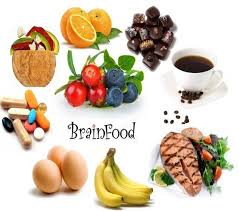 brain over time. In this article, we'll explore foods that
HARM your brain vs foods that PROTECT your brain.
by Mike Geary - Certified Nutrition Specialist
Co-Author of the best seller: The Top 101 Foods that FIGHT Aging
First, the BAD NEWS...
Certain foods you eat can indeed harm your brain, both in impaired
learning ability as well as impaired memory. Even worse, the wrong
food and drink choices throughout your life can even lead to the
terrible and deadly disease of Alzheimers.
A friend of mine just told me that her dad died of Alzheimers
recently and it was just a terrible disease where he didn't even
know who she was anymore towards the end. It's time our society
starts taking degenerative diseases like Alzheimers, cancer, and
heart disease more seriously throughout our lives, and not just
once it's too late. Even in our 30's, 40's, and 50's, the choices
we make with our daily food can PREVENT these terrible diseases.
So let's dig in with the topic today of foods that harm your brain,
and what you can do about it...
Food #1 that HARMS your brain: Fructose
In a 2012 UCLA study published in the Journal of Physiology,
researchers found that a diet high in fructose over time can damage
your memory and learning ability.
Beyond the harm to your brain, it's well known in the research world
that a high fructose diet can also cause insulin resistance in your
body over time, and possibly lead to type-2 diabetes and extra body
fat. If that's not enough, a high fructose diet also detrimentally
affects your triglyceride levels in your blood as well as small dense
LDL particles that cause plaque in your arteries.
So what we have here is high-fructose intake = impaired memory and
learning in your brain, increased risk of diabetes, and increased risk
of heart disease. Oh, and we forgot to mention extra belly fat too...
Yum - who wants another can of soda pop or a large bowl of corn syrup
sweetened ice cream!
The average person eating a modern western diet of processed food
consumes a LARGE quantity of fructose without even thinking about it
from all of the soft drinks (high fructose corn syrup typically),
sweetened juice drinks, orange juice, processed junk foods such as
cakes and candies, as well as the HFCS that's added to store-bought
salad dressings, breads and cereals, and even condiments like ketchup.
Note that many sports drinks, even though marketed as "healthy", can
have large amounts of corn syrup or even crystalline fructose as their
main sweetener. These sports drinks can be equally as bad as a soda for
your body and your brain. Don't be fooled by the clever marketing showing
pictures of pro athletes guzzling this stuff.
Also note that agave syrup (aka, agave nectar) which is marketed as a
"healthy" sweetener as well, is one of the most concentrated forms of
processed fructose in sweeteners as well. I personally stay away from
agave sweeteners as much as possible unless the amounts are very small.
All of these fructose-laden foods and drinks are easy to avoid though
if you choose to eat consciously... for example, make homemade salad
dressings from your favorite olive oil and vinegar with added spices,
or choose to drink unsweetened iced tea with lemon instead of sweetened
drinks or juices. If you use a lot of ketchup, try to reduce the quantity
by mixing with mustard or hot sauce, which typically don't contain HFCS
sweetener in any significant quantities.
Last thing to note about fructose... Yes, natural whole fruits do contain
fructose, but generally contain MUCH smaller quantities of fructose than
you would consume in a sweetened juice drink, soft drink or sweetened junk
foods. Also, the phytonutrients, antioxidants, and fiber that's contained
in most whole fruits counteracts any negative effects of fructose.
I personally try to keep fruit intake to no more than 1-2 pieces a day due
to the sugar and fructose content of larger amounts of fruit.
Here's a trick: Did you know that limes and lemons contain virtually zero
fructose, and only 3-4 grams of total carbs in a whole lemon or lime,
whereas a typical orange contains 6 grams of fructose and 25 grams of total
sugar per fruit. I squeeze lemons and limes daily into either water or teas
for a healthy flavorful drink. Fresh lemon juice has even been shown to
control blood sugar response from a meal...another bonus!
Other Foods that HARM Your Brain:
You probably already know some of the harmful health effects of these foods,
but long term effects on your brain are yet another...
Trans fats -- strongly inflammatory in your entire body including damage to
cell membranes throughout your body. Avoid hydrogenated oils in processed
foods and deep fried foods.
Mercury -- studies show that mercury from pollution (coal burning plants are
the biggest source of mercury pollution to air and water) and from fish that
are high on the food chain such as tuna, shark, swordfish, tilefish, etc can
possibly cause long term negative effects on your brain. Limit these types
of fish to a couple times a month and focus more on fish such as salmon, trout,
and many other types of smaller fish to reduce your mercury load.
Wheat-based foods -- In the groundbreaking book, Wheat Belly, Dr William Davis
makes a very convincing argument that wheat has addictive properties in the brain.
Wheat contains compounds termed "exorphins" that have an effect in your brain
similar to opiate drugs. This explains why people have such a hard time giving
up their beloved breads, cereals, pasta, and muffins because these foods are
mildly addictive.
I know personally from past experience that if I have a pasta dinner,
I'll go back for seconds and thirds as I just can't seem to stop eating the
stuff. And then hours after dinner, I'll get cravings for more carb-based
foods or sweets. But if I pass on the pasta and just have meat, veggies,
and salad, I find myself totally satisfied after dinner with no cravings
later at night.
The good news is...
There are plenty of superfoods, herbs, and spices that can protect your brain
and your other organs too!
In fact, did you know that turmeric is one of the highest antioxidant spices
that also exhibits brain-protecting effects? In India, where curry containing
turmeric and other spices is eaten daily, rates of Alzheimers disease is among
the lowestin the world, proving some of the brain-protecting effects of turmeric.
In addition, the powerful DHA and EPA omega-3 fats in fish oil has been proven
in countless studies to protect your brain from damage over the years.
Want more...
I'll show you how to find dozens of delicious foods, spices, herbs, and unique
nutrients that PROTECT your brain, joints, organs, and skin from aging on the
next page!
These unique nutrients and superfoods can be found at most stores and can help
PROTECT your brain from aging, HEAL your joints, reverse or prevent type 2
diabetes, normalize your blood pressure, SLOW aging of your skin, FIGHT against
developing cancer, FIX years of digestion problems, and even help to BOOST your
metabolism...
If you want to discover these powerful superfoods and nutrients CLICK HERE
HARM your brain vs foods that PROTECT your brain.
by Mike Geary - Certified Nutrition Specialist
Co-Author of the best seller: The Top 101 Foods that FIGHT Aging
First, the BAD NEWS...
Certain foods you eat can indeed harm your brain, both in impaired
learning ability as well as impaired memory. Even worse, the wrong
food and drink choices throughout your life can even lead to the
terrible and deadly disease of Alzheimers.
A friend of mine just told me that her dad died of Alzheimers
recently and it was just a terrible disease where he didn't even
know who she was anymore towards the end. It's time our society
starts taking degenerative diseases like Alzheimers, cancer, and
heart disease more seriously throughout our lives, and not just
once it's too late. Even in our 30's, 40's, and 50's, the choices
we make with our daily food can PREVENT these terrible diseases.
So let's dig in with the topic today of foods that harm your brain,
and what you can do about it...
Food #1 that HARMS your brain: Fructose
In a 2012 UCLA study published in the Journal of Physiology,
researchers found that a diet high in fructose over time can damage
your memory and learning ability.
Beyond the harm to your brain, it's well known in the research world
that a high fructose diet can also cause insulin resistance in your
body over time, and possibly lead to type-2 diabetes and extra body
fat. If that's not enough, a high fructose diet also detrimentally
affects your triglyceride levels in your blood as well as small dense
LDL particles that cause plaque in your arteries.
So what we have here is high-fructose intake = impaired memory and
learning in your brain, increased risk of diabetes, and increased risk
of heart disease. Oh, and we forgot to mention extra belly fat too...
Yum - who wants another can of soda pop or a large bowl of corn syrup
sweetened ice cream!
The average person eating a modern western diet of processed food
consumes a LARGE quantity of fructose without even thinking about it
from all of the soft drinks (high fructose corn syrup typically),
sweetened juice drinks, orange juice, processed junk foods such as
cakes and candies, as well as the HFCS that's added to store-bought
salad dressings, breads and cereals, and even condiments like ketchup.
Note that many sports drinks, even though marketed as "healthy", can
have large amounts of corn syrup or even crystalline fructose as their
main sweetener. These sports drinks can be equally as bad as a soda for
your body and your brain. Don't be fooled by the clever marketing showing
pictures of pro athletes guzzling this stuff.
Also note that agave syrup (aka, agave nectar) which is marketed as a
"healthy" sweetener as well, is one of the most concentrated forms of
processed fructose in sweeteners as well. I personally stay away from
agave sweeteners as much as possible unless the amounts are very small.
All of these fructose-laden foods and drinks are easy to avoid though
if you choose to eat consciously... for example, make homemade salad
dressings from your favorite olive oil and vinegar with added spices,
or choose to drink unsweetened iced tea with lemon instead of sweetened
drinks or juices. If you use a lot of ketchup, try to reduce the quantity
by mixing with mustard or hot sauce, which typically don't contain HFCS
sweetener in any significant quantities.
Last thing to note about fructose... Yes, natural whole fruits do contain
fructose, but generally contain MUCH smaller quantities of fructose than
you would consume in a sweetened juice drink, soft drink or sweetened junk
foods. Also, the phytonutrients, antioxidants, and fiber that's contained
in most whole fruits counteracts any negative effects of fructose.
I personally try to keep fruit intake to no more than 1-2 pieces a day due
to the sugar and fructose content of larger amounts of fruit.
Here's a trick: Did you know that limes and lemons contain virtually zero
fructose, and only 3-4 grams of total carbs in a whole lemon or lime,
whereas a typical orange contains 6 grams of fructose and 25 grams of total
sugar per fruit. I squeeze lemons and limes daily into either water or teas
for a healthy flavorful drink. Fresh lemon juice has even been shown to
control blood sugar response from a meal...another bonus!
Other Foods that HARM Your Brain:
You probably already know some of the harmful health effects of these foods,
but long term effects on your brain are yet another...
Trans fats -- strongly inflammatory in your entire body including damage to
cell membranes throughout your body. Avoid hydrogenated oils in processed
foods and deep fried foods.
Mercury -- studies show that mercury from pollution (coal burning plants are
the biggest source of mercury pollution to air and water) and from fish that
are high on the food chain such as tuna, shark, swordfish, tilefish, etc can
possibly cause long term negative effects on your brain. Limit these types
of fish to a couple times a month and focus more on fish such as salmon, trout,
and many other types of smaller fish to reduce your mercury load.
Wheat-based foods -- In the groundbreaking book, Wheat Belly, Dr William Davis
makes a very convincing argument that wheat has addictive properties in the brain.
Wheat contains compounds termed "exorphins" that have an effect in your brain
similar to opiate drugs. This explains why people have such a hard time giving
up their beloved breads, cereals, pasta, and muffins because these foods are
mildly addictive.
I know personally from past experience that if I have a pasta dinner,
I'll go back for seconds and thirds as I just can't seem to stop eating the
stuff. And then hours after dinner, I'll get cravings for more carb-based
foods or sweets. But if I pass on the pasta and just have meat, veggies,
and salad, I find myself totally satisfied after dinner with no cravings
later at night.
The good news is...
There are plenty of superfoods, herbs, and spices that can protect your brain
and your other organs too!
In fact, did you know that turmeric is one of the highest antioxidant spices
that also exhibits brain-protecting effects? In India, where curry containing
turmeric and other spices is eaten daily, rates of Alzheimers disease is among
the lowestin the world, proving some of the brain-protecting effects of turmeric.
In addition, the powerful DHA and EPA omega-3 fats in fish oil has been proven
in countless studies to protect your brain from damage over the years.
Want more...
I'll show you how to find dozens of delicious foods, spices, herbs, and unique
nutrients that PROTECT your brain, joints, organs, and skin from aging on the
next page!
These unique nutrients and superfoods can be found at most stores and can help
PROTECT your brain from aging, HEAL your joints, reverse or prevent type 2
diabetes, normalize your blood pressure, SLOW aging of your skin, FIGHT against
developing cancer, FIX years of digestion problems, and even help to BOOST your
metabolism...
If you want to discover these powerful superfoods and nutrients CLICK HERE

 In a 2012 UCLA study published in the Journal of Physiology, researchers found that a diet high in fructose over time can damage your memory and learning ability.
 You
probably already know some of the harmful health effects of these
foods, but long term effects on your brain are yet another...
You
probably already know some of the harmful health effects of these
foods, but long term effects on your brain are yet another...


