Lose Belly fat For Life

Welcome to my blog where you can learn how to lose that stubborn belly fat and get your six pack Abs on show.

An Educational Resource

Learn what foods will help you lose belly fat and foods that won't.

Exercise Right!

Learn what exercises will help you get those stubborn abs defined, and get the body you have always wanted.

Eat Right!

Learn what foods will help you get the healthy body you have always wanted.

Get Started Today!

Claim your FREE e-book & follow these simple tips and live the healthier lifestyle you deserve.

5 Tips
Showing posts with label coconut oil. Show all posts

Sunday, 13 September 2015

Which of these cooking oils are destroying your health?

(the truth may surprise you!)
Some of these oils are healthy and some are VERY unhealthy -- soybean oil, olive oil, coconut oil, corn oil, etc... Let's take a closer look.
by Mike Geary, Certified Nutrition Specialist, Certified Personal Trainer
Author of best-sellers: The Fat Burning Kitchen 
& The Top 101 Foods that FIGHT Aging


Today, I wanted to give you my take on a confusing subject to most people:
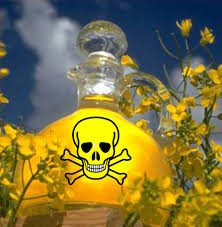
Image result for canola oil...why some oils and fats you may use in cooking, baking, or other food use are actually harmful to your body, and why some are healthful.
Here's the deal...
A lot of people seem to think that anything labeled as "vegetable oil" is good for you. NOT A SHOT!
Most of what is labeled as "vegetable oil" is simply heavily refined soybean oil (processed under high heat, pressure, and industrial solvents, such as hexane)... sometimes perhaps it may also be heavily refined cottonseed, safflower, corn, grapeseed, or other oils too.
In most instances, almost all of these processed oils are NOT HEALTHY for you.  I'll explain why below...
If you buy processed food or deep fried food, you can usually be certain that these unhealthy oils are used to prepare your foods (or worse, it may use hydrogenated versions of these oils... aka - trans fats).
You may have even bought some of these oils for your own cooking or baking at home.
The problem with soybean oil, cottonseed oil, corn oil, safflower oil, and other similar "vegetable oils" is that they are mostly composed of polyunsaturated fats (the most highly reactive type of fat) which leaves them prone to oxidation and free radical production when exposed to heat and light.
Processed polyunsaturated oils are the most inflammatory inside our bodies because of their high reactivity to heat and light. This inflammation is what causes many of our internal problems to develop such as heart disease, cancer, and other degenerative diseases.
Note: It's ok if a polyunsaturated fat source isn't processed such as in whole foods like various nuts and seeds... In that case it's usually not inflammatory (as long as it's not been exposed to high heat), and nuts are usually a great source of healthy polyunsaturated fats. By the way, omega-6 and omega-3 fatty acids are both polyunsaturates, and a healthy balance of approx 1:1 to 3:1 ratio of omega-6 to omega-3 is considered healthiest.
Your best bet is to choose raw nuts and seeds whenever possible to avoid the oxidation of polyunsaturated fats that can occur during roasting of nuts and seeds.  Keep in mind though that some nuts are mostly monounsaturated, (for example, macadamias), so the issue of roasted vs raw nuts is less of an issue for highly monounsaturated nuts.
However, all of the vegetable oils listed above are generally heavily refined during processing, so that makes them already inflammatory before you even cook with them (which does even more damage).
Here's the actual order of stability of a type of fat under heat and light (from least stable to most stable):
1. polyunsaturated
2. monounsaturated
3. saturated

Here's something that mainstream health professionals will never tell you...
Saturated fats are actually the healthiest oils to cook with!
Why?  Because they are much more stable in cooking conditions and less inflammatory than polyunsaturated oils with cooking.
This is why tropical oils such as palm and coconut oils (and even animal fats such as lard and butter) are best for cooking... they have very little polyunsaturates and are mostly composed of natural saturated fats which are the least reactive to heat/light and therefore the least inflammatory in your body from cooking use.
That's also why natural butter (NOT margarine) is one of the best fats for cooking. This all goes directly against what you hear in mainstream health talk... because most health professionals don't truly understand the biochemistry of fats, and falsely believe that saturated fats are bad for you... when in fact, they are actually neutral in most instances... and saturated fats from tropical oils are actually good for you as they contain mostly medium chain triglycerides (MCTs) which are lacking in most people's diets.
In fact, lauric acid is one of the abundant MCTs in tropical oils and is known to strengthen the immune system.  Lauric acid is even being studied currently in medical studies for controlling contagious diseases.
To summarize... your best cooking or baking fats are generally butter or tropical oils such as palm or coconut oil.  Olive oil (extra virgin preferably) is okay for lower cooking temps as it's mostly monounsaturated, so moderately stable.  I also like avocado oil and macadamia nut oil for baking as they are mostly monounsaturated and relatively stable for baking, plus add great flavor!
The mostly polyunsaturated oils such as soybean, corn, grapeseed, cottonseed, safflower, etc, are the least healthy for cooking or baking.
My choices for top healthy cooking oils that I use:
  • Virgin Coconut Oil (very stable at med-high temps and healthy fats)
  • Extra Virgin Olive Oil (only for low temp cooking)
  • Real Butter (grass fed butter is actually healthy and contains important nutrients like vitamin K2, omega-3's, and CLA.  Kerrygold is a popular brand of Irish butter that's grass-fed and readily available in most grocery stores)
Of course, with all of that said... we should keep in mind that trying minimize our cooking with oils can help to reduce overall calories. Cooking with oils in moderation is okay and can actually help satisfy your appetite more, but be careful not to overdo it as the calories can add up fast.
Also, please don't be fooled by deceptive marketing claiming that canola oil is healthy for you -- it's NOT!
So enjoy your coconut oil, grass-fed butter, and delicious extra-virgin olive oils knowing that you're doing your body GOOD!  But just make sure to stay FAR AWAY from dangerous inflammatory vegetable oils like soybean oil, corn oil, and cottonseed oils which are used in so many processed foods these days.
Also remember that most salad dressings you find at the store are loaded with unhealthy soybean or canola oils usually, so make your own with healthy olive oil instead.

But BEWARE...
Although using real butter, coconut oil, & extra virgin olive oil can be a super-healthy choice for a lean, healthy, & strong body as well as fighting the aging process, if you follow the tips you just learned...
On the next page, I want to share with you exactly why you should STOP eating foods like whole wheat bread, certain types of milk, sugar, soy, and even some ‘heart healthy’ foods, as well as how these foods are silently KILLING you and your family.

Click the ‘next page’ link below to discover how these foods are destroying your health, causing weight gain, & accelerating aging.

Thursday, 9 July 2015

Which of these cooking oils are destroying your health? (the truth may surprise you!)

Some of these oils are healthy and some are VERY unhealthy -- soybean oil, olive oil, coconut oil, corn oil, etc... Let's take a closer look.

by Mike Geary, Certified Nutrition Specialist, Certified Personal Trainer
Author of best-sellers: The Truth About 6-Pack Abs 
& The Top 101 Foods that FIGHT Aging


Today, I wanted to give you my take on a confusing subject to most people:
...why some oils and fats you may use in cooking, baking, or other food use are actually harmful to your body, and why some are healthful.
Here's the deal...
A lot of people seem to think that anything labeled as "vegetable oil" is good for you. NOT A SHOT!
Most of what is labeled as "vegetable oil" is simply heavily refined soybean oil (processed under high heat, pressure, and industrial solvents, such as hexane)... sometimes perhaps it may also be heavily refined cottonseed, safflower, corn, grapeseed, or other oils too.
In most instances, almost all of these processed oils are NOT HEALTHY for you.  I'll explain why below...
If you buy processed food or deep fried food, you can usually be certain that these unhealthy oils are used to prepare your foods (or worse, it may use hydrogenated versions of these oils... aka - trans fats).
You may have even bought some of these oils for your own cooking or baking at home.
The problem with soybean oil, cottonseed oil, corn oil, safflower oil, and other similar "vegetable oils" is that they are mostly composed of polyunsaturated fats (the most highly reactive type of fat) which leaves them prone to oxidation and free radical production when exposed to heat and light.
Processed polyunsaturated oils are the most inflammatory inside our bodies because of their high reactivity to heat and light. This inflammation is what causes many of our internal problems to develop such as heart disease, cancer, and other degenerative diseases.
Note: It's ok if a polyunsaturated fat source isn't processed such as in whole foods like various nuts and seeds... In that case it's usually not inflammatory (as long as it's not been exposed to high heat), and nuts are usually a great source of healthy polyunsaturated fats. By the way, omega-6 and omega-3 fatty acids are both polyunsaturates, and a healthy balance of approx 1:1 to 3:1 ratio of omega-6 to omega-3 is considered healthiest.
Your best bet is to choose raw nuts and seeds whenever possible to avoid the oxidation of polyunsaturated fats that can occur during roasting of nuts and seeds.  Keep in mind though that some nuts are mostly monounsaturated, (for example, macadamias), so the issue of roasted vs raw nuts is less of an issue for highly monounsaturated nuts.
However, all of the vegetable oils listed above are generally heavily refined during processing, so that makes them already inflammatory before you even cook with them (which does even more damage).
Here's the actual order of stability of a type of fat under heat and light (from least stable to most stable):
1. polyunsaturated
2. monounsaturated
3. saturated

Here's something that mainstream health professionals will never tell you...
Saturated fats are actually the healthiest oils to cook with!
Why?  Because they are much more stable in cooking conditions and less inflammatory than polyunsaturated oils with cooking.
This is why tropical oils such as palm and coconut oils (and even animal fats such as lard and butter) are best for cooking... they have very little polyunsaturates and are mostly composed of natural saturated fats which are the least reactive to heat/light and therefore the least inflammatory in your body from cooking use.
That's also why natural butter (NOT margarine) is one of the best fats for cooking. This all goes directly against what you hear in mainstream health talk... because most health professionals don't truly understand the biochemistry of fats, and falsely believe that saturated fats are bad for you... when in fact, they are actually neutral in most instances... and saturated fats from tropical oils are actually good for you as they contain mostly medium chain triglycerides (MCTs) which are lacking in most people's diets.
In fact, lauric acid is one of the abundant MCTs in tropical oils and is known to strengthen the immune system.  Lauric acid is even being studied currently in medical studies for controlling contagious diseases.
To summarize... your best cooking or baking fats are generally butter or tropical oils such as palm or coconut oil.  Olive oil (extra virgin preferably) is okay for lower cooking temps as it's mostly monounsaturated, so moderately stable.  I also like avocado oil and macadamia nut oil for baking as they are mostly monounsaturated and relatively stable for baking, plus add great flavor! 
The mostly polyunsaturated oils such as soybean, corn, grapeseed, cottonseed, safflower, etc, are the least healthy for cooking or baking.
My choices for top healthy cooking oils that I use:
  • Virgin Coconut Oil (very stable at med-high temps and healthy fats)
  • Extra Virgin Olive Oil (only for low temp cooking)
  • Real Butter (grass fed butter is actually healthy and contains important nutrients like vitamin K2, omega-3's, and CLA.  Kerrygold is a popular brand of Irish butter that's grass-fed and readily available in most grocery stores)
Of course, with all of that said... we should keep in mind that trying minimize our cooking with oils can help to reduce overall calories. Cooking with oils in moderation is okay and can actually help satisfy your appetite more, but be careful not to overdo it as the calories can add up fast.
Also, please don't be fooled by deceptive marketing claiming that canola oil is healthy for you -- it's NOT! 
So enjoy your coconut oil, grass-fed butter, and delicious extra-virgin olive oils knowing that you're doing your body GOOD!  But just make sure to stay FAR AWAY from dangerous inflammatory vegetable oils like soybean oil, corn oil, and cottonseed oils which are used in so many processed foods these days.
Also remember that most salad dressings you find at the store are loaded with unhealthy soybean or canola oils usually, so make your own with healthy olive oil instead (I have a great healthy salad dressing recipe here)

To your health,

Mike Geary

Saturday, 13 June 2015

7 "FATTY" Foods that Can Help You to Get a Flat Stomach (some of these will surprise you!)

These 7 shocking Fatty (but healthy) super-foods can actually help you to burn body fat faster!
by Mike Geary, Certified Personal Trainer, Certified Nutrition Specialist
Author of best-sellers:  The Fat Burning Kitchen & The Top 101 Foods that FIGHT Aging

At this point, the anti-fat propaganda has died and almost everybody understands by now that eating fat doesn't necessarily make you fat.  In fact, it's absolutely imperative to get enough healthy fats in your diet to keep your hormones balanced, blood sugar under control, and prevent cravings.  Here are 7 examples of "fatty" foods that can actually HELP you to get lean...

healthy chocolate1.  Super Dark Chocolate (at least 72% cacao content or higher)
It might not be a secret anymore, but yes, dark chocolate (NOT milk chocolate) can be a very healthy food, even though it is technically calorie dense.
However, I would contend that dark chocolate can actually HELP you to burn off more body fat if you're the type of person that has a sweet tooth and likes to eat a lot of desserts.  In this case, just 1 or 2 small squares of dark chocolate can many times satisfy your sweet tooth for only 30 or 40 calories as opposed to 500 calories for a piece of chocolate cake or a piece of pie.
Also some brands of dark chocolate that are in the mid 70's in % cacao content or higher, can have a fairly high ratio of fiber content (I've seen some brands have 5 grams of fiber out of 15 grams of total carbs per serving), and relatively low sugar content compared to the amount of healthy fats.  In fact, that's one of the "tricks" I use to select a good quality chocolate... I look for more total fat than total carbs (or about the same number of grams of each).
The importance of that fact is that it means many dark chocolates will not greatly affect your blood sugar and will have a fairly blunted blood sugar response compared to other "sweets".
In addition, dark chocolate is also very rich in healthful antioxidants, including a powerful compound called theobromine which has been shown to help lower blood pressure and have other health benefits.  The fat content in a good dark chocolate should come solely from the natural healthy fats occuring in cocoa butter and not from any other added fats.  Any chocolates with added fats or other additives will generally not be as healthy.
The reason I say to choose dark chocolates with at least 72% cacao content is that the higher the % of cacao, the lower the % of sugar.  However, this does mean that any chocolate over 80% cacao content will generally start to get a more bitter taste and have very little sweetness.  If you like this type of taste, then the higher % cocao, the better. Otherwise, a good 75% dark chocolate is in my opinion an almost perfect combination of lightly sweet with a rich chocolate taste.  Just remember to keep those daily quantities of chocolate small as it is calorie dense!
You can also reap the benefits of the antioxidants and fiber without all of the calories by using organic unsweetened cocoa powder in your smoothies or other recipes.

coconuts have healthy fats2.  Coconut milk, coconut flour, and coconut oil
Coconut milk and oil are great sources of a super healthy type of saturated fat called medium chain triglycerides (MCTs), including a component called lauric acid, which is a powerful nutrient for your immune system, and is lacking in most western diets.  In addition, MCTs are readily used for energy by the body and less likely to be stored as bodyfat compared to other types of fats.
Along with coconut milk and coconut oil as healthy fat choices, we've also got coconut flour as a healthier flour option for baking. Coconut flour is an extremely high fiber flour alternative (almost ALL of the carbs in this flour are fiber and not starch!).  Coconut flour is also VERY high in protein compared to most flours and is also gluten free!
Just beware that if you're going to use coconut flour for baking, it absolutely NEEDS to be mixed with other flours as it sucks up moisture like crazy... I've made delicious baked goods by mixing coconut flour with almond flour and quinoa flour in equal parts, and adding slightly more liquid ingredients than the recipe calls for.

healthy fats in butter3.  Grass-fed (pasture-raised) butter
Yes, delicious smooth and rich BUTTER (real butter, not deadly margarine!)... It's delicious, contains loads of healthy nutritional factors, and does NOT have to be avoided in order to get lean.  In fact, I eat a couple pats of grass-fed butter daily and maintain single digit bodyfat most times of the year.
There's a lot of confusion about this topic... in fact, I just saw a TV show today that was talking about unhealthy foods and one of the first things they showed was butter.  It just shows that the majority of the population has zero idea that butter (grass-fed only!) can actually be a healthy part of your diet.
In fact, there's even ample evidence that REAL butter can even help you to lose body fat for a couple of main reasons:
   a.  Grass-fed butter is known to have high levels of a healthy fat called CLA, which has been shown to have anti-cancer properties, and also has been shown to help burn abdominal fat and build lean muscle.
   b.  Grass-fed butter also has an ideal balance of omega-3 to omega-6 fatty acids (unlike conventional grain-fed butter) which helps fight inflammation in your body, and can help balance hormones.
   c.  The healthy fats in grass-fed butter also contain MCTs, which help to boost your immune system and are readily burned by the body for energy.  The healthy fats in grass-fed butter also help to satisfy your appetite and control blood sugar levels, both of which help you to stay lean!
If you have a hard time finding a grass-fed butter at your grocery store, Kerrygold Irish butter is one of my favorites, and even though the label doesn't clearly state "grass-fed", the cows are 100% grass-fed on lush green pastures in Ireland. It's one of the richest butters in color that I've seen, which indicates high levels of carotenoids.

whole egg nutrition to burn body fat4.  Whole Eggs, including the yolk (not just egg whites)
Most people know that eggs are one of the highest quality sources of protein.  However, most people don't know that the egg yolks are the healthiest part of the egg... that's where almost all of the vitamins, minerals, and antioxidants (such as lutein) are found in eggs.
In fact, the egg yolks contain more than 90% of the calcium, iron, phosphorus, zinc, thiamin, B6, folate, and B12, and panthothenic acid of the egg. In addition, the yolks contain ALL of the fat soluble vitamins A, D, E, and K in the egg, as well as ALL of the essential fatty acids.  Also, the protein of whole eggs is more bio-available than egg whites alone due to a more balanced amino acid profile that the yolks help to build.
Just make sure to choose free-range organic eggs instead of normal grocery store eggs.  Similar to the grass-fed beef scenerio, the nutrient content of the eggs and the balance between healthy omega-3 fatty acids and inflammatory omega-6 fatty acids (in excess) is controlled by the diet of the hens.
Chickens that are allowed to roam free outside and eat a more natural diet will give you healthier, more nutrient-rich eggs with a healthier fat balance compared with your typical grocery store eggs (that came from chickens fed nothing but soy and corn and crowded inside "egg factories" all day long).

grass-fed beef healthier than grain-fed beef5.  Grass-fed beef or bison (NOT the typical grain-fed grocery store beef!)
I know most people think that red meat is unhealthy for you, but that's because they do not understand how the health of the animal affects how healthy the meat is for consumption.  Keep this in mind -- "an unhealthy animal provides unhealthy meat, but a healthy animal provides healthy meat".
Typical beef or bison that you see at the grocery store is raised on grains, mainly corn (and to some extent, soybeans). Soy and corn are NOT the natural diet of cattle or bison, and therefore changes the chemical balance of fats and other nutrients in the beef or bison.  Grain-fed beef and bison is typically WAY too high in omega-6 fats and WAY too low in omega-3 fats.  In addition, the practice of feeding cattle corn and soy as the main portion of their diet upsets their digestive system and makes them sick... and it also increases the amount of dangerous e-coli in the meat.  This is not the case with grass-fed meat.
grass-fed steaks, healthy fat burning foodOn the other hand, grass-fed beef from cattle and buffalo (or bison) that were raised on the type of natural foods that they were meant to eat in nature (grass and other forage), have much higher levels of healthy omega-3 fats and lower levels of inflammatory omega-6 fats (that most people already eat way too much of) compared to grain fed beef or bison.
Grass fed meats also typically contain up to 3 times the Vitamin E as in grain fed meats.
In addition, grass-fed meat from healthy cattle or bison also contain a special healthy fat called conjugated linoleic acid (CLA) in MUCH higher levels than grain-fed meat.  CLA has been proven in scientific studies in recent years to help in burning fat and building lean muscle (which can help you lose weight!).  These benefits are on top of the fact that grass-fed meats are some of the highest quality proteins that you can possibly eat... and this also aids in burning fat and building lean muscle.
Grass-fed meats are a little harder to find, but just ask your butcher or find a specialty grocery store and they usually have cuts available.

avocados - healthy fats and high nutrition6.  Avocados
Even though avocados are typically thought of as a "fatty food", they are chock full of healthy fats!  Not only is this fruit (yes, surprisingly, avocados are actually a fruit) super-high in monounsaturated fat, but also chock full of vitamins, minerals, micro-nutrients, and antioxidants.
Also, in my opinion, guacamole (mashed avocados with garlic, onion, tomato, pepper, etc) is one of the most delicious food toppings ever created, and you can be happy to know that it's also one of the healthiest toppings you can use on your foods.  Try sliced avocados or guacamole on sandwiches, burgers, eggs or omelets, on salads or with fish, or as a delicious side to just about any meal.
The quality dose of healthy fats, fiber, and micronutrients that you get from avocados helps your body to maintain proper levels of hormones that help with fat loss and muscle building.  Also, since avocados are an extremely satiating food, eating them helps to reduce your appetite in the hours after your meal.  Say goodbye to junk food cravings and bring on that fat burning!  I personally eat anywhere from a half to a full avocado DAILY and it only helps to keep me lean.

nuts - more healthy foods to burn fat7.  Nuts:  Walnuts, Almonds, Pistachios, Pecans, Brazil Nuts, Macadamias, etc  
Yes, this is yet another "fatty food" that can actually help you burn belly fat!  Although nuts are generally between 75-90% fat in terms of a ratio of fat calories to total calories, this is another type of food that is all healthy fats, along with high levels of micronutrients such as vitamins, minerals, and antioxidants.  Nuts are also a good source of fiber and protein, which of course, you know helps to control blood sugar and can aid in fat loss.
Nuts also help to maintain good levels of fat burning hormones in your body (adequate healthy fat intake is vitally important to hormone balance) as well as helping to control appetite and cravings so that you essentially eat less calories overall, even though you're consuming a high-fat food.  My favorite healthy nuts are pecans, pistachios, almonds, macadamias, and walnuts, and by eating them in variety, you help to broaden the types of vitamins and minerals and also the balance of polyunsaturated to monounsaturated fats you obtain.
Try to find raw nuts instead of roasted nuts if you can, as it helps to maintain the quality and nutritional content of the healthy fats that you will eat.
Also, try to broaden your horizons beyond the typical peanut butter that most people eat, and try almond butter, cashew butter, pecan butter, or macadamia butter to add variety to your diet.
One of the little "tricks" that I've used with clients when trying to cut down body fat is to have them eat a handful of nuts such as almonds or pecans about 20 minutes before lunch and dinner.  This ends up being a perfect time to control your appetite before lunch or dinner and helps you to eat less overall calories on that meal.
I hope you enjoyed this look at some of the healthiest "fatty" fat-burning foods you can possibly eat.  I could list a ton more, but wanted to give you a few of my favorites for now.  Enjoy!

But BEWARE...
Although these "fatty" foods may be a super-healthy choice for achieving your lean, strong, and energetic body... I've discovered that there are at least 23 popular foods that most people falsely think are "healthy", but they actually HARM your metabolism and pack on belly fat.

Discover what these metabolism-harming foods are on the next page:

These 23 "healthy" foods HARM your metabolism & pack on belly fat (avoid these!)

Wednesday, 20 May 2015

The Healthiest Cheese-Steak in the World

My recipe for:
a healthy cheese steakThe Healthiest Cheese-Steak in the World
by Mike Geary, Certified Personal Trainer, Certified Nutrition Specialist
Author of best-selling program:  The Truth about Six Pack Abs

I've been known to come up with ways to make typical junk foods extremely healthy... If you've been reading my fitness newsletters for some time, you've seen unique recipes for healthier pizza versions, healthy burgers, my famous healthy chocolate peanut butter fudge, and many more delicious but healthy meals and recipes.
Today, I wanted to tell you about my "world's healthiest cheesesteak".
It's true... you REALLY CAN make a super-healthy cheesesteak, that's absolutely delicious!  And I'll show you how on this page.
Growing up in the Philly area, I'm sure you're aware we're known for our famous cheese-steaks. However, health and fitness have NEVER been associated with our cheesesteaks... until Gear-master healthy chef stepped in.
So here's how I make the world's healthiest cheesesteak:
First, I use Ezekial sprouted grain rolls, which are a mix of about 10 different sprouted grains with no refined flour. I'm still not a huge fan of eating too much grains in your diet, but if you're going to do it, sprouted grain bread (or rolls) is the best option.  Since Ezekial sprouted grain bread is a mix of 8-10 sprouted grains, you also get less wheat, since most people already eat way too much wheat in their diet.
If you can't find the Ezekial brand, most health food stores have several brands of sprouted grain bread (NOTE: this is NOT the same thing as "whole grain" bread... despite heavy marketing as "healthy", whole grain bread is not necessarily that healthy, but if you can't find sprouted grain bread, try to find the bread with the highest fiber content as a next best option).
Then, I use a good quality grass-fed beef and slice it thin. Grass fed beef contains larger quantities of CLA - conjugated linoleic acid, which (in it's natural form) is shown in some studies to promote fat loss and muscle building and also have a protective effect against cancer. In addition, grass fed beef contains a much better ratio of omega-3 to omega-6 fatty acids compared with typical grain-fed beef sold at most stores (which comes from factory feedlot farms notorious for unhealthy cattle and inferior nutrition in the beef compared to grass-fed beef)
What I do is to just semi-defrost a large chunk of beef in the fridge for about 10-12 hours, and that allows it to be easily sliced thin for cheese-steaks.
Then, I use a raw longhorn, colby, our gouda cheese from grass-fed cows as well. Grass-fed dairy is also a great source of beneficial fat burning CLA just like grass-fed meat.
Finally, I top it all off with some sauteed organic vidalia onions and baby portobella mushrooms, both sauteed in a little virgin coconut oil (a great source of healthy medium chain triglycerides (MCTs) and immune-boosting lauric acid) and/or a little pasture raised butter.
and voila... we now have the healthiest cheesesteak on the freakin planet! Between the powerful antioxidants in the onions and mushrooms, The MCTs in the coconut oil, the fat-burning CLA in the grass-fed cheese and grass-fed beef, and the diversity of nutrients in the sprouted grain roll, we might even call this a "body-sculpting cheese-steak"!
But more importantly, it is damn delicious too!  And don't forget the healthiest condiment... mustard!  Yes, if you didn't know it, mustard is actually high in antioxidants.
Enjoy!
Feel free to share this page with your friends and family... put a link to this page on your facebook, twitter, myspace, or blog pages... your friends will love this idea.

If you liked this unique, but delicious healthy recipe, feel free to share it with your friends:

If you're not currently on my email newsletter list... it's FREE... and you're missing out on all of my crazy, but healthy fat-burning recipes, unique workouts, and more:- see top right, plus FREE gift for signing up.

 To your good health and lean body.

 Mike Geary
Certified Personal Trainer
Certified Nutrition Specialist
Author of the best-seller:  The Truth about Six Pack Abs

Thursday, 5 February 2015

Do THIS every morning with coconut oil (unusual detox trick)

Let’s face it, we are exposed to an alarming amount of toxins on a daily basis. From the BPA that lines your canned goods to the pesticides liberally sprayed on anything alive these days, our bodies are constantly absorbing an outrageous amount of chemicals.

Even though you may try to live as pure a life as possible, sneaky sources of dangerous metals are everywhere, even in the so-called “all natural” products that fool consumers into believing these ingredients are safe. Over time, high concentrations of metals build up in our systems and can lead to a wide variety of conditions, including, but not limited to:

•    Anemia
•    Dizziness
•    Fatigue
•    Dry skin
•    Joint or muscle aches
•    Loss of appetite
•    blood pressure issues
•    Nausea
•    Vitamin and mineral deficiencies


Try as you may, there’s just no getting around the obscene amounts of
toxins we are exposed to daily.

One unique little daily method to help your body detoxify is really
starting to get exposure everywhere lately... You can see the EXACT
simple steps to perform this daily detox ritual below:

>> Do this EVERY morning with coconut oil (unusual daily detox trick)

Saturday, 20 September 2014

Food #4 that accelerates aging faster:


Do you eat these harmful foods that AGE you faster?  Some are even deceptively marketed to you as "healthy" by giant food corporations.  Avoid or minimize these and look 5-10 years YOUNGER than your real age.

by Mike Geary - Certified Nutrition Specialist & Catherine Ebeling - RN, BSN
Authors of the best seller: The Top 101 Foods that FIGHT Aging


Soybean oil, canola oil, or other "vegetable oils"

I know these have been marketed to you over the years by giant food companies as "healthy", but if you understand a little biochemistry about how these highly-processed oils react inside your body, you would quickly see how false that is.
First, anything labeled soybean oil, canola oil, corn oil, vegetable oil, or cottonseed oil (these are in a LOT of processed foods you probably eat) most times have undergone a refining process under extremely high heat and use of chemical solvents such as hexane.
This leaves you with an oil where the polyunsaturated fats have undergone a lot of oxidation and are therefore VERY inflammatory inside your body, producing free radicals, damaging your cell membranes, contributing to faster aging, heart disease, and other possible health problems.
If you want to avoid the health-damaging effects of soybean, canola, corn and other "vegetable oils", make sure to avoid them as much as you can, and instead opt for truly healthy oils and fats such as extra-virgin olive oil, avocado oil, virgin coconut oil (a healthy source of MCT fats), and grass-fed butter (a great source of healthy CLA fats).
We'll show you how to find plenty of delicious foods, spices, herbs, teas, and nutrients that PROTECT your body from aging  HERE
You will also discover over a dozen surprising tricks you can use daily to FIGHT aging, helping you to look 5-10 years YOUNGER... click the button below to go to the next page to discover unique and delicious anti-aging foods, spices, herbs, teas, and other potent youth-enhancing nutrients:

Why not put this blog in your favourites for daily updates on nutrition and what exercises to achieve the body you've always wanted.
Also, if you found this article interesting please feel free to share with friends and family.

Get your copy of 101 anti-aging foods HERE

Tuesday, 22 July 2014

Paleo Pizza recipe... low-carb, gluten-free, and WAY healthier than most GF crusts

One of the foods that most people miss the most when they switch to eating "Paleo-ish" is good old-fashioned pizza. 
 
 http://f4tloss.paleohack1.hop.clickbank.net I've tried a few variations of gluten-free pizza recipes out there - but although some of them have a decent taste, they are almost ALWAYS very high glycemic and spike your blood sugar significantly (like a lot of "gluten-free" labeled foods) - so for a while, I 'gave up' on pizza... After all, even eating normal pizza on your "cheat day" can still do some harm to your digestive system from the significant amount of gluten in normal pizza crust.
 
Recently though, my good friend Dave from PaleoHacks.com (one of the largest online Paleo communities) sent me a pizza recipe from their website to try - and it was INCREDIBLE!
 
My faith in gluten-free pizza has been restored, and this is by far my new favorite pizza recipe...try this one out tonight for dinner!

This is also one of the ONLY ways to make a truly low-carb pizza, since as you know, most gluten-free crusts are still a massive carb bomb to your blood sugar.  My wife and I also choose to make this with real cheese instead of trying to make it dairy-free as we personally have no issues digesting dairy.  But if you're dairy sensitive, just eliminate the cheese and do more veggie and meat toppings.

One other comment on this recipe... You really can't pick these pizza slices up with your hands and eat them because they do fall apart much easier than regular crust, so I'd recommend just eating it with a fork... This has become a weekly favorite that my wife and I absolutely LOVE!
 
------------------------------------
Paleo Cauliflower-Crust Pizza Recipe
 
Cauliflower Crust
 
1 head cauliflower
1 tsp dried oregano
1 tsp garlic powder
1 tsp salt
1 Tbsp extra virgin olive oil
1/4 cup parmesan cheese (optional if you're trying to reduce dairy)
1 egg
Coconut oil or grass fed butter to grease the cookie sheet
 
The toppings (any combination that you like)

Organic pepperoni
Organic bacon
Organic chicken sausage
Various veggies (onions, mushrooms and peppers are my favorite mix)
Black olives
Dried oregano
Homemade or store bought organic tomato sauce
Organic Mozzarella cheese (optional if you're trying to go dairy-free)

 
INSTRUCTIONS
 
1. Preheat your oven to 350 degrees F. Grease a large cookie sheet with your coconut oil or grass fed butter.
 
2. Cut up your cauliflower into pieces so that you can steam it.
 
3. Steam your cauliflower (or boil it) for 6-8 minutes or until soft. Strain out the water, let the cauliflower cool, and strain out any additional water.  Mix the cauliflower, egg, spices, parm cheese, olive oil and salt in a big bowl by mashing it with a masher or using hand beaters to mix thoroughly.
 
4. Press the cauliflower mash out to 1/4 inch thick crust and then bake for 20 minutes.  I'd recommend making 2-3 smaller crusts instead of 1 large crust as it's easier to handle.
 
5. Flip the crusts over and put back in the oven for 3-5 minutes.
 
6. Remove from the oven, add your sauce and toppings. Place back in the oven for 5-6 minutes to heat and melt the toppings.
 
7. Remove from the oven and enjoy your tasty low-carb gluten-free Paleo-ish pizza!
 
--------------------------------------------
 
This is by far my new favorite pizza recipe - and instead of feeling nasty, bloated, and tired after eating it, I feel GREAT!
 
This is just one of the over 200+ gluten-free, grain-free, recipes that Dave put together from his community-sourced & chef-reviewed Paleo Cookbook Bundle
 
With it, you'll not only get ridiculously tasty & healthy recipes like the one above, but you'll also get bonuses like the "Paleo 4x Cookbook", which shows you simple, easy to make recipes with just 4 ingredients. You'll also get another guide that shows you how to stay healthy when you're eating out - so you don't have to sacrifice your social life for a healthier diet. 
 
On top of it all, the Paleo Cookbook Bundle is on sale (with well over $100 in bonuses) right now at almost 30% off.
 
Enjoy!

Mike Geary
Certified Nutrition Specialist
Certified Personal Trainer

Thursday, 27 March 2014

Which of these cooking oils are destroying your health? (the truth may surprise you!)

Some of these oils are healthy and some are VERY unhealthy -- soybean oil, olive oil, coconut oil, corn oil, etc... Let's take a closer look.
by Mike Geary, Certified Nutrition Specialist, Certified Personal Trainer
Author of best-sellers: The Truth About 6-Pack Abs 
& The Top 101 Foods that FIGHT Aging


Today, I wanted to give you my take on a confusing subject to most people:
...why some oils and fats you may use in cooking, baking, or other food use are actually harmful to your body, and why some are healthful.
Here's the deal...
A lot of people seem to think that anything labeled as "vegetable oil" is good for you. NOT A SHOT!
Most of what is labeled as "vegetable oil" is simply heavily refined soybean oil (processed under high heat, pressure, and industrial solvents, such as hexane)... sometimes perhaps it may also be heavily refined cottonseed, safflower, corn, grapeseed, or other oils too.
In most instances, almost all of these processed oils are NOT HEALTHY for you.  I'll explain why below...

If you buy processed food or deep fried food, you can usually be certain that these unhealthy oils are used to prepare your foods (or worse, it may use hydrogenated versions of these oils... aka - trans fats).

You may have even bought some of these oils for your own cooking or baking at home.
The problem with soybean oil, cottonseed oil, corn oil, safflower oil, and other similar "vegetable oils" is that they are mostly composed of polyunsaturated fats (the most highly reactive type of fat) which leaves them prone to oxidation and free radical production when exposed to heat and light.
Processed polyunsaturated oils are the most inflammatory inside our bodies because of their high reactivity to heat and light. This inflammation is what causes many of our internal problems to develop such as heart disease, cancer, and other degenerative diseases.
Note: It's ok if a polyunsaturated fat source isn't processed such as in whole foods like various nuts and seeds... In that case it's usually not inflammatory (as long as it's not been exposed to high heat), and nuts are usually a great source of healthy polyunsaturated fats. By the way, omega-6 and omega-3 fatty acids are both polyunsaturates, and a healthy balance of approx 1:1 to 3:1 ratio of omega-6 to omega-3 is considered healthiest.
Your best bet is to choose raw nuts and seeds whenever possible to avoid the oxidation of polyunsaturated fats that can occur during roasting of nuts and seeds.  Keep in mind though that some nuts are mostly monounsaturated, (for example, macadamias), so the issue of roasted vs raw nuts is less of an issue for highly monounsaturated nuts.
However, all of the vegetable oils listed above are generally heavily refined during processing, so that makes them already inflammatory before you even cook with them (which does even more damage).
Here's the actual order of stability of a type of fat under heat and light (from least stable to most stable):
1. polyunsaturated
2. monounsaturated
3. saturated

Here's something that mainstream health professionals will never tell you...
Saturated fats are actually the healthiest oils to cook with!
Why?  Because they are much more stable in cooking conditions and less inflammatory than polyunsaturated oils with cooking.
This is why tropical oils such as palm and coconut oils (and even animal fats such as lard and butter) are best for cooking... they have very little polyunsaturates and are mostly composed of natural saturated fats which are the least reactive to heat/light and therefore the least inflammatory in your body from cooking use.
That's also why natural butter (NOT margarine) is one of the best fats for cooking. This all goes directly against what you hear in mainstream health talk... because most health professionals don't truly understand the biochemistry of fats, and falsely believe that saturated fats are bad for you... when in fact, they are actually neutral in most instances... and saturated fats from tropical oils are actually good for you as they contain mostly medium chain triglycerides (MCTs) which are lacking in most people's diets.
In fact, lauric acid is one of the abundant MCTs in tropical oils and is known to strengthen the immune system.  Lauric acid is even being studied currently in medical studies for controlling contagious diseases.
To summarize... your best cooking or baking fats are generally butter or tropical oils such as palm or coconut oil.  Olive oil (extra virgin preferably) is okay for lower cooking temps as it's mostly monounsaturated, so moderately stable.  I also like avocado oil and macadamia nut oil for baking as they are mostly monounsaturated and relatively stable for baking, plus add great flavor! 
The mostly polyunsaturated oils such as soybean, corn, grapeseed, cottonseed, safflower, etc, are the least healthy for cooking or baking.
My choices for top healthy cooking oils that I use:
  • Virgin Coconut Oil (very stable at med-high temps and healthy fats)
  • Extra Virgin Olive Oil (only for low temp cooking)
  • Real Butter (grass fed butter is actually healthy and contains important nutrients like vitamin K2, omega-3's, and CLA.  Kerrygold is a popular brand of Irish butter that's grass-fed and readily available in most grocery stores)
Of course, with all of that said... we should keep in mind that trying minimize our cooking with oils can help to reduce overall calories. Cooking with oils in moderation is okay and can actually help satisfy your appetite more, but be careful not to overdo it as the calories can add up fast.
Also, please don't be fooled by deceptive marketing claiming that canola oil is healthy for you -- it's NOT! 

And remember that you can FIGHT against formation of cancer in your body, high blood pressure, diabetes, and other degenerative health conditions by eating these superfoods, herbs and spices below: