Lose Belly fat For Life

Welcome to my blog where you can learn how to lose that stubborn belly fat and get your six pack Abs on show.

An Educational Resource

Learn what foods will help you lose belly fat and foods that won't.

Exercise Right!

Learn what exercises will help you get those stubborn abs defined, and get the body you have always wanted.

Eat Right!

Learn what foods will help you get the healthy body you have always wanted.

Get Started Today!

Claim your FREE e-book & follow these simple tips and live the healthier lifestyle you deserve.

5 Tips
Showing posts with label corn oil. Show all posts

Sunday, 13 September 2015

Which of these cooking oils are destroying your health?

(the truth may surprise you!)
Some of these oils are healthy and some are VERY unhealthy -- soybean oil, olive oil, coconut oil, corn oil, etc... Let's take a closer look.
by Mike Geary, Certified Nutrition Specialist, Certified Personal Trainer
Author of best-sellers: The Fat Burning Kitchen 
& The Top 101 Foods that FIGHT Aging


Today, I wanted to give you my take on a confusing subject to most people:
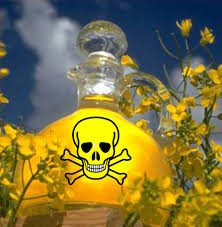
Image result for canola oil...why some oils and fats you may use in cooking, baking, or other food use are actually harmful to your body, and why some are healthful.
Here's the deal...
A lot of people seem to think that anything labeled as "vegetable oil" is good for you. NOT A SHOT!
Most of what is labeled as "vegetable oil" is simply heavily refined soybean oil (processed under high heat, pressure, and industrial solvents, such as hexane)... sometimes perhaps it may also be heavily refined cottonseed, safflower, corn, grapeseed, or other oils too.
In most instances, almost all of these processed oils are NOT HEALTHY for you.  I'll explain why below...
If you buy processed food or deep fried food, you can usually be certain that these unhealthy oils are used to prepare your foods (or worse, it may use hydrogenated versions of these oils... aka - trans fats).
You may have even bought some of these oils for your own cooking or baking at home.
The problem with soybean oil, cottonseed oil, corn oil, safflower oil, and other similar "vegetable oils" is that they are mostly composed of polyunsaturated fats (the most highly reactive type of fat) which leaves them prone to oxidation and free radical production when exposed to heat and light.
Processed polyunsaturated oils are the most inflammatory inside our bodies because of their high reactivity to heat and light. This inflammation is what causes many of our internal problems to develop such as heart disease, cancer, and other degenerative diseases.
Note: It's ok if a polyunsaturated fat source isn't processed such as in whole foods like various nuts and seeds... In that case it's usually not inflammatory (as long as it's not been exposed to high heat), and nuts are usually a great source of healthy polyunsaturated fats. By the way, omega-6 and omega-3 fatty acids are both polyunsaturates, and a healthy balance of approx 1:1 to 3:1 ratio of omega-6 to omega-3 is considered healthiest.
Your best bet is to choose raw nuts and seeds whenever possible to avoid the oxidation of polyunsaturated fats that can occur during roasting of nuts and seeds.  Keep in mind though that some nuts are mostly monounsaturated, (for example, macadamias), so the issue of roasted vs raw nuts is less of an issue for highly monounsaturated nuts.
However, all of the vegetable oils listed above are generally heavily refined during processing, so that makes them already inflammatory before you even cook with them (which does even more damage).
Here's the actual order of stability of a type of fat under heat and light (from least stable to most stable):
1. polyunsaturated
2. monounsaturated
3. saturated

Here's something that mainstream health professionals will never tell you...
Saturated fats are actually the healthiest oils to cook with!
Why?  Because they are much more stable in cooking conditions and less inflammatory than polyunsaturated oils with cooking.
This is why tropical oils such as palm and coconut oils (and even animal fats such as lard and butter) are best for cooking... they have very little polyunsaturates and are mostly composed of natural saturated fats which are the least reactive to heat/light and therefore the least inflammatory in your body from cooking use.
That's also why natural butter (NOT margarine) is one of the best fats for cooking. This all goes directly against what you hear in mainstream health talk... because most health professionals don't truly understand the biochemistry of fats, and falsely believe that saturated fats are bad for you... when in fact, they are actually neutral in most instances... and saturated fats from tropical oils are actually good for you as they contain mostly medium chain triglycerides (MCTs) which are lacking in most people's diets.
In fact, lauric acid is one of the abundant MCTs in tropical oils and is known to strengthen the immune system.  Lauric acid is even being studied currently in medical studies for controlling contagious diseases.
To summarize... your best cooking or baking fats are generally butter or tropical oils such as palm or coconut oil.  Olive oil (extra virgin preferably) is okay for lower cooking temps as it's mostly monounsaturated, so moderately stable.  I also like avocado oil and macadamia nut oil for baking as they are mostly monounsaturated and relatively stable for baking, plus add great flavor!
The mostly polyunsaturated oils such as soybean, corn, grapeseed, cottonseed, safflower, etc, are the least healthy for cooking or baking.
My choices for top healthy cooking oils that I use:
  • Virgin Coconut Oil (very stable at med-high temps and healthy fats)
  • Extra Virgin Olive Oil (only for low temp cooking)
  • Real Butter (grass fed butter is actually healthy and contains important nutrients like vitamin K2, omega-3's, and CLA.  Kerrygold is a popular brand of Irish butter that's grass-fed and readily available in most grocery stores)
Of course, with all of that said... we should keep in mind that trying minimize our cooking with oils can help to reduce overall calories. Cooking with oils in moderation is okay and can actually help satisfy your appetite more, but be careful not to overdo it as the calories can add up fast.
Also, please don't be fooled by deceptive marketing claiming that canola oil is healthy for you -- it's NOT!
So enjoy your coconut oil, grass-fed butter, and delicious extra-virgin olive oils knowing that you're doing your body GOOD!  But just make sure to stay FAR AWAY from dangerous inflammatory vegetable oils like soybean oil, corn oil, and cottonseed oils which are used in so many processed foods these days.
Also remember that most salad dressings you find at the store are loaded with unhealthy soybean or canola oils usually, so make your own with healthy olive oil instead.

But BEWARE...
Although using real butter, coconut oil, & extra virgin olive oil can be a super-healthy choice for a lean, healthy, & strong body as well as fighting the aging process, if you follow the tips you just learned...
On the next page, I want to share with you exactly why you should STOP eating foods like whole wheat bread, certain types of milk, sugar, soy, and even some ‘heart healthy’ foods, as well as how these foods are silently KILLING you and your family.

Click the ‘next page’ link below to discover how these foods are destroying your health, causing weight gain, & accelerating aging.

Monday, 27 July 2015

Dairy Fat Found to PREVENT Artery Clogging? (Study Results)

You've been told that dairy fat from butter, cheese and cream CLOGS your arteries... WRONG!  Studies show 3 super-nutrients in certain dairy fat found to PROTECT you from heart disease

by Mike Geary, Certified Personal Trainer, Certified Nutrition Specialist
Author of best-sellers: The Truth About Six Pack Abs
& The Top 101 Foods that FIGHT Aging

For decades now, news reporters with zero nutrition education, government agencies using outdated information from the 1960's, and well-meaning but misinformed dieticians have pounded into your head that dairy fat from butter, cream, cheese, and other full-fat dairy products is terrible for you and "CLOGS" your arteries... but what if they've been WRONG all along?
Image result for butterAfter all, it wouldn't be the first time that the government, the media, and dieticians have been wrong about a nutrition topic... remember for years when everyone falsely believed that trans fat laden margarine was better for you than butter?  Wow, were they ever wrong about that!  And remember the years when everyone falsely believed that egg yolks were bad for you?  Well, I think most of us are more educated now about that as well... At least I hope so!
Did you know that between the years 1910 to 2000, the average annual butter consumption per person in the US decreased from 18 lbs per year in 1910 to less than 4 lbs per year in 2000... Meanwhile heart disease rates between 1910 to 2000 QUADRUPLED.
Hmm... so let's think about that for a minute...we ate almost 5x the amount of butter on average in 1910 and yet heart disease was RARE at the time.  Clearly the argument that so many health "experts" make about dairy fat being "deadly" is not accurate and needs to be re-evaluated.
Let's look at some more interesting examples...
With regards to dairy fat from butter, cheese, and cream, if you believed the media that dairy fat clogs your arteries, then why do the French stay leaner and have a much lower rate of heart disease despite a diet very high in full-fat cheese, butter, and cream compared to Americans that purposely try to reduce their butter intake and choose non-fat or reduced-fat dairy products most of the time?
Or why do the Swiss, known for their rich full-fat dairy products including lots of cheese display lower heart disease rates than Americans?
Or how about the natives of the Caucasus Mountains in Eastern Europe that routinely live to over 100 years old while drinking full-fat dairy almost daily throughout their lives in the form of Kefir?
We've also got the Maasai and Samburu tribes from Africa that eat a diet rich in full-fat dairy (4-5x the consumption of dairy fat on average than most Americans) and yet display robust health with a distinct lack of degenerative diseases like heart disease.
Hmm, what's going on here?
We could go on and on with examples that show the opposite of what you've been told over the years about dairy fat, but the fact of the matter is that all of these "experts" that have told you to avoid dairy fat have been flat out WRONG for decades now!
The TRUTH is... studies are consistently showing that certain unique compounds in dairy fat actually PREVENT the clogging of arteries and reduce your risk of heart disease!
I'll tell you in a second about the powerful compounds in some types of dairy fat that can help reduce your risk of heart disease, but first, please realize that if you eat a lot of inflammatory foods such as sugar, corn syrup, refined grains (wheat and corn cereals, breads, etc), artificial trans fats, refined vegetable oils (soybean oil, corn oil), etc, you will most likely still be clogging your arteries from the inflammation caused by what these foods do to your insides.
So aside from just simply observing certain cultures around the world and their dairy fat intake, what other evidence do we have that compounds found in dairy fat can actually protect you from heart disease and prevent clogging of your arteries?  Well...
Studies involving 3 specific super-nutrients found in grass-fed dairy fat
Note that the 3 nutrients that I'm discussing here that help protect you from heart disease are found mostly in GRASS-FED dairy (pasture-raised) and not conventional grain-fed factory farm dairy that's the majority of dairy found in the US.  Also, realize that we're talking about benefits from the fat portion of the dairy specifically here (yes, the cream and butterfat), so this means FULL-FAT grass-fed dairy is where the benefits will come from and NOT all of these silly skim, 0%, or 1% reduced-fat varieties of yogurts, cheeses, etc.
Note that most dairy from Europe and other parts of the world is typically grass-fed for the majority of their feed and only supplemented with smaller amounts of grain.  For that reason, if you choose European cheeses, you're generally going to get a healthier type of cheese.  And if you can't find butter or cream that's labeled as grass-fed or pasture raised, realize that true Irish butter (Kerrygold is a good brand of Irish butter in the US) or any European butter is usually grass-fed and a better choice.
Although, as consumer awareness is increasing about the benefits of grass-fed dairy in the US, I've noticed that more and more US brands are offering grass-fed yogurt, cheeses, butter, cream, and kefir from small family farm operations that truly allow the cows to freely roam and forage on grass and herbs.
So let's get to those super-nutrients found in the fat of grass-fed dairy:

Dairy Fat Super-Nutrient #1: Vitamin K2
Vitamin K1 is found in leafy greens and is definitely good for you.  However, studies of vitamin K1 in relation to heart disease are neutral, meaning there's no negative or positive response in comparing vitamin K1 and heart disease.
However, the story is quite different with vitamin K2!  In one Dutch study reported in the Journal of Nutrition in 2004, people with the highest vitamin K2 consumption had a whopping 51% lower risk of heart attack mortality and a 26% lower risk of death from all causes compared to those eating the least vitamin K2!  The study concluded that higher vitamin K2 consumption reduced arterial calcification.
Vitamin K2 also helps prevent Arthritis!  That's right... recent studies are showing that Vitamin K2 not only protects against arterial calcification, but also inappropriate calcification in various soft tissues throughout the body, including your joints.
The best sources of vitamin K2...

You guessed it:  grass-fed dairy fat (butter, cream, certain cheeses), organ meats, egg yolks, and certain fermented foods that use a specific starter culture.  In terms of cheeses, brie and gouda are apparently the highest in vitamin K2 due to the cultures that are used to ferment the cheese.  And goose liver is extremely high in vitamin K2 as well.
Isn't it ironic that so many health "experts" have been telling you for decades to avoid dairy fat, and yet dairy fat contains one of the most powerful compounds being studied that helps prevent arterial calcification and clogged arteries.  As I always say, beware of who you trust when it comes to nutrition information!
One other important thing to note about vitamin K2...
Apparently, new research is proving what Weston Price knew all along many many years ago... in order for your body to properly utilize oral vitamin D, you need vitamin K2 as well.  In many of Dr. Price's experiments, he found that patients only had minor improvements in health parameters when given cod liver oil (a concentrated natural source of vitamin D), but when cod liver oil was combined with grass-fed butter for vitamin K2, the health improvements were significantly better, as the vitamin K2 and vitamin D worked together synergistically inside the body.
Also keep in mind that vitamin K2 is generally NOT found in multi-vitamins or other supplements, so you need to obtain it from grass-fed dairy fat or other animal foods such as egg yolks or organ meats.
For those choosing to go on a vegan diet, please realize that vitamin K2 deficiency is a very serious concern.  Vitamin K2 deficiency can disrupt the balance and function that vitamin D and calcium play inside your body (causing inappropriate calcification in your body if you're deficient in K2) and can lead to arterial calcification in vegans that ignore this important nutrient.  Vitamin B12 is another important nutrient that vegans are typically extremely deficient in, and supplemental forms are not as well utilized by the body.

Dairy Fat Super-Nutrient #2: CLA (conjugated linoleic acid)
CLA is a unique type of healthy fat that's found in the fat from grass-fed meat or dairy in ruminant animals such as sheep, goats, cows, deer, etc.  In separate studies, CLA has been found to lower the risk for cancer and arteriosclerosis (hardening of the arteries), in addition to improving fat loss.
Grass-fed dairy or meat has been found to contain 3-5x the amount of healthy CLA fats as grain-fed dairy or meat.
In one study in 2010, researchers studied the effects of consumption of a sheep's milk pecorino cheese on atherosclerotic biomarkers (indicating risk for heart disease), and found that the dairy fat in this cheese improved the subjects markers!  They concluded: "intake of the tested dairy product naturally rich in cis-9, trans-11 CLA appeared to cause favourable biochemical changes of atherosclerotic markers."
A search of conjugated linoleic acid in relation to cancer and fat loss on pubmed also brought up dozens of positive studies showing relationship between CLA and reduced cancer risks and improved weight loss.
CLA is yet another example of an extremely healthy fat contained in dairy fat, and higher in grass-fed dairy compared to grain-fed.  Yet another reason why I proclaim that most "experts" and dieticians out there telling you to choose skim or low-fat versions of yogurt, cheeses, or kefir are dead wrong.  Enough with the fat-phobia!  As we're seeing, full-fat dairy can be healthier and taste better too!

Dairy Fat Super-Nutrient #3: Omega-3 Fats
I don't think we need to go into great detail on this one, as most people are aware that omega-3 fatty acids are very important for heart health and almost every aspect of health related to inflammation with more benefits to your body than I could even list here.
And it's no secret that pasture-raised dairy fat is a great source of omega-3 fatty acids.  Just keep in mind that pasture raised dairy fat contains a MUCH better ratio of omega-3 to omega-6 fats than does conventional grain-fed dairy fat.
Most people already consume FAR too much omega-6 fats, and need to raise their levels of omega-3 fats.  Grass-fed dairy fats can certainly help with that goal, just like fish oils do!
With everything in this article being about the health benefits of these 3 super-nutrients found in grass-fed dairy fats, are grain-fed dairy fats actually bad for you?  Well, the way I see it is that the fats in grain-fed dairy are "neutral", meaning I don't believe they are terrible for you like hydrogenated oils are bad for you, but I wouldn't call grain-fed dairy fats beneficial either.
Just be aware that pesticides and other harmful chemicals can accumulate in the fat portion of dairy, so if you choose to use grain-fed dairy, choosing organic is very important.  On the other hand, if it's grass-fed dairy you're eating, it's less important that it's also labeled as organic since the cows will naturally be exposed to less chemicals in a pasture-raised environment.
Before we finish this article, let me also summarize my opinion of healthy vs unhealthy dairy products, since I know there's so much confusion and misinformation about dairy out there...

Healthy Forms of Dairy with Super-Nutrients that Protect Your Health:
  • Pasture-raised cream (aka, grass-fed)
  • Pasture-raised butter
  • Aged cheeses made from pasture-raised milk (European cheeses are generally grass-fed) -- Note that aged cheeses are generally more digestible than non-aged cheeses since microbes have already partially broken them down.
  • Yogurt - only unsweetened, plain, or plain greek gets my vote (organic or grass-fed if possible)
  • Kefir - fermented (cultured) milk with 2-10x more probiotics than yogurt. Kefir is the healthiest, most digestible form of dairy available and is known to heal many digestive problems (7 - 50 Billion probiotics per cup)
  • Lassi - another form of fermented milk, Indian style, and similar to Kefir.

Unhealthy Forms of Dairy:
  • Homogenized/pasteurized commercial milk - homogenized milk fat is thought to be harmful to health due to the microscopic fat particles that are formed from the homogenization processing.
  • Yogurt that's loaded with sugar or artificial sweeteners (which is most brands)
  • Processed non-aged cheeses such as American cheese or cheese spreads
     
The bottom line...
Full-fat grass-fed dairy is NOT the "dangerous" fat that you've been led to believe by the media, the government, and some dieticians.  As you can see in this article, there are at least 3 super-nutrients in the fat portion of dairy that are shown to PROTECT you from heart disease, as well as other health benefits.
Oh, and let's not forget that dairy fat tastes great!  I'll take REAL cream in my coffee any day over fake coffee creamer laden with hydrogenated oil and corn syrup.  I'll take full-fat creamy yogurt over non-fat yogurt any day.  I'll enjoy a good full-fat aged cheese instead of some silly fat-free processed cheese any day too, knowing that the full-fat aged cheese actually does a body good.
I personally choose to cook with butter frequently (mixed with coconut oil many times), and I enjoy full-fat grass-fed cream whenever I drink coffee (Organic Valley has a good pasture-raised cream).  I also drink full-fat Greek style Kefir most days of the week, and I enjoy all of these foods not just for their great taste, but also knowing that they only HELP protect my health.
And this daily ration of dairy fat is certainly not adding any body fat to my frame... I'm still as lean as ever.  As you now know, the CLA in grass-fed dairy fat actually aids fat loss, and the healthy fats overall can help to reduce cravings, control appetite, and balance your hormones.  So let's all please stop being afraid of dairy fat, as long as you avoid that homogenized milk!
By the way, make sure to read one of my previous articles on The TRUTH about yogurt for everything you need to know about yogurt, both bad and good.

Feel free to share today's dairy fat article with your health-conscious friends and family.  Easy sharing options below:

Thursday, 9 July 2015

Which of these cooking oils are destroying your health? (the truth may surprise you!)

Some of these oils are healthy and some are VERY unhealthy -- soybean oil, olive oil, coconut oil, corn oil, etc... Let's take a closer look.

by Mike Geary, Certified Nutrition Specialist, Certified Personal Trainer
Author of best-sellers: The Truth About 6-Pack Abs 
& The Top 101 Foods that FIGHT Aging


Today, I wanted to give you my take on a confusing subject to most people:
...why some oils and fats you may use in cooking, baking, or other food use are actually harmful to your body, and why some are healthful.
Here's the deal...
A lot of people seem to think that anything labeled as "vegetable oil" is good for you. NOT A SHOT!
Most of what is labeled as "vegetable oil" is simply heavily refined soybean oil (processed under high heat, pressure, and industrial solvents, such as hexane)... sometimes perhaps it may also be heavily refined cottonseed, safflower, corn, grapeseed, or other oils too.
In most instances, almost all of these processed oils are NOT HEALTHY for you.  I'll explain why below...
If you buy processed food or deep fried food, you can usually be certain that these unhealthy oils are used to prepare your foods (or worse, it may use hydrogenated versions of these oils... aka - trans fats).
You may have even bought some of these oils for your own cooking or baking at home.
The problem with soybean oil, cottonseed oil, corn oil, safflower oil, and other similar "vegetable oils" is that they are mostly composed of polyunsaturated fats (the most highly reactive type of fat) which leaves them prone to oxidation and free radical production when exposed to heat and light.
Processed polyunsaturated oils are the most inflammatory inside our bodies because of their high reactivity to heat and light. This inflammation is what causes many of our internal problems to develop such as heart disease, cancer, and other degenerative diseases.
Note: It's ok if a polyunsaturated fat source isn't processed such as in whole foods like various nuts and seeds... In that case it's usually not inflammatory (as long as it's not been exposed to high heat), and nuts are usually a great source of healthy polyunsaturated fats. By the way, omega-6 and omega-3 fatty acids are both polyunsaturates, and a healthy balance of approx 1:1 to 3:1 ratio of omega-6 to omega-3 is considered healthiest.
Your best bet is to choose raw nuts and seeds whenever possible to avoid the oxidation of polyunsaturated fats that can occur during roasting of nuts and seeds.  Keep in mind though that some nuts are mostly monounsaturated, (for example, macadamias), so the issue of roasted vs raw nuts is less of an issue for highly monounsaturated nuts.
However, all of the vegetable oils listed above are generally heavily refined during processing, so that makes them already inflammatory before you even cook with them (which does even more damage).
Here's the actual order of stability of a type of fat under heat and light (from least stable to most stable):
1. polyunsaturated
2. monounsaturated
3. saturated

Here's something that mainstream health professionals will never tell you...
Saturated fats are actually the healthiest oils to cook with!
Why?  Because they are much more stable in cooking conditions and less inflammatory than polyunsaturated oils with cooking.
This is why tropical oils such as palm and coconut oils (and even animal fats such as lard and butter) are best for cooking... they have very little polyunsaturates and are mostly composed of natural saturated fats which are the least reactive to heat/light and therefore the least inflammatory in your body from cooking use.
That's also why natural butter (NOT margarine) is one of the best fats for cooking. This all goes directly against what you hear in mainstream health talk... because most health professionals don't truly understand the biochemistry of fats, and falsely believe that saturated fats are bad for you... when in fact, they are actually neutral in most instances... and saturated fats from tropical oils are actually good for you as they contain mostly medium chain triglycerides (MCTs) which are lacking in most people's diets.
In fact, lauric acid is one of the abundant MCTs in tropical oils and is known to strengthen the immune system.  Lauric acid is even being studied currently in medical studies for controlling contagious diseases.
To summarize... your best cooking or baking fats are generally butter or tropical oils such as palm or coconut oil.  Olive oil (extra virgin preferably) is okay for lower cooking temps as it's mostly monounsaturated, so moderately stable.  I also like avocado oil and macadamia nut oil for baking as they are mostly monounsaturated and relatively stable for baking, plus add great flavor! 
The mostly polyunsaturated oils such as soybean, corn, grapeseed, cottonseed, safflower, etc, are the least healthy for cooking or baking.
My choices for top healthy cooking oils that I use:
  • Virgin Coconut Oil (very stable at med-high temps and healthy fats)
  • Extra Virgin Olive Oil (only for low temp cooking)
  • Real Butter (grass fed butter is actually healthy and contains important nutrients like vitamin K2, omega-3's, and CLA.  Kerrygold is a popular brand of Irish butter that's grass-fed and readily available in most grocery stores)
Of course, with all of that said... we should keep in mind that trying minimize our cooking with oils can help to reduce overall calories. Cooking with oils in moderation is okay and can actually help satisfy your appetite more, but be careful not to overdo it as the calories can add up fast.
Also, please don't be fooled by deceptive marketing claiming that canola oil is healthy for you -- it's NOT! 
So enjoy your coconut oil, grass-fed butter, and delicious extra-virgin olive oils knowing that you're doing your body GOOD!  But just make sure to stay FAR AWAY from dangerous inflammatory vegetable oils like soybean oil, corn oil, and cottonseed oils which are used in so many processed foods these days.
Also remember that most salad dressings you find at the store are loaded with unhealthy soybean or canola oils usually, so make your own with healthy olive oil instead (I have a great healthy salad dressing recipe here)

To your health,

Mike Geary

Thursday, 18 September 2014

Foods number 2 that Accelerates AGING (beware!)


Do you eat these harmful foods that AGE you faster?  Some are even deceptively marketed to you as "healthy" by giant food corporations.  Avoid or minimize these and look 5-10 years YOUNGER than your real age.

by Mike Geary - Certified Nutrition Specialist & Catherine Ebeling - RN, BSN
Authors of the best seller: The Top 101 Foods that FIGHT Aging


Corn-based foods -- corn syrup, corn cereal, corn chips, corn oil
This is quite a variety of stuff that you might eat every day... we're talking corn chips, corn cereals, corn oil, and also the biggest health-damaging villain that gets most of the media attention, high-fructose corn syrup (HFCS).
We already talked in detail in the last section about wheat regarding the blood sugar process and it's relation to age-accelerating formation of nasty "AGEs" in your body.
Well, corn-based starchy foods such as corn cereals, corn chips, etc also have a big impact on blood sugar levels and therefore can increase AGEs in your body and accelerate aging.
But here's another nail in the coffin for corn... it turns out that scientists have found out that the fructose in HFCS causes 10x more formation of AGEs in your body than glucose!  Yes, that's right... that means the HFCS you consume daily in sweetened drinks, and most other processed foods (yes, even salad dressings and ketchup) contribute to faster aging in your body... as if you needed yet another reason to avoid or minimize HFCS!
We're not done yet with corn... it gets even worse...
Another major issue with corn-based foods and corn oils is that these foods contribute excessive amounts of omega-6 fatty acids to your diet, which causes an imbalance in your omega-3 to omega-6 ratio and leads to inflammation and oxidation within your body.
Once again... another example of corn-based foods aging you FASTER.

My advice:  Avoid or reduce corn-based foods like corn chips and corn cereal as much as possible. These aren't as bad as wheat in relation to blood sugar, and they don't contain gut-damaging gluten like wheat does, but they are still bad for you.  When it comes to corn syrup or corn oil, avoid as much as you can if you want to stay lean, healthy and young looking.   
Go to the next post tomorrow to see Food #3 that accelerates aging in your body:

Get your copy of 101 anti-aging foods here  The Top 101 Foods that FIGHT Aging

Thursday, 27 March 2014

Which of these cooking oils are destroying your health? (the truth may surprise you!)

Some of these oils are healthy and some are VERY unhealthy -- soybean oil, olive oil, coconut oil, corn oil, etc... Let's take a closer look.
by Mike Geary, Certified Nutrition Specialist, Certified Personal Trainer
Author of best-sellers: The Truth About 6-Pack Abs 
& The Top 101 Foods that FIGHT Aging


Today, I wanted to give you my take on a confusing subject to most people:
...why some oils and fats you may use in cooking, baking, or other food use are actually harmful to your body, and why some are healthful.
Here's the deal...
A lot of people seem to think that anything labeled as "vegetable oil" is good for you. NOT A SHOT!
Most of what is labeled as "vegetable oil" is simply heavily refined soybean oil (processed under high heat, pressure, and industrial solvents, such as hexane)... sometimes perhaps it may also be heavily refined cottonseed, safflower, corn, grapeseed, or other oils too.
In most instances, almost all of these processed oils are NOT HEALTHY for you.  I'll explain why below...

If you buy processed food or deep fried food, you can usually be certain that these unhealthy oils are used to prepare your foods (or worse, it may use hydrogenated versions of these oils... aka - trans fats).

You may have even bought some of these oils for your own cooking or baking at home.
The problem with soybean oil, cottonseed oil, corn oil, safflower oil, and other similar "vegetable oils" is that they are mostly composed of polyunsaturated fats (the most highly reactive type of fat) which leaves them prone to oxidation and free radical production when exposed to heat and light.
Processed polyunsaturated oils are the most inflammatory inside our bodies because of their high reactivity to heat and light. This inflammation is what causes many of our internal problems to develop such as heart disease, cancer, and other degenerative diseases.
Note: It's ok if a polyunsaturated fat source isn't processed such as in whole foods like various nuts and seeds... In that case it's usually not inflammatory (as long as it's not been exposed to high heat), and nuts are usually a great source of healthy polyunsaturated fats. By the way, omega-6 and omega-3 fatty acids are both polyunsaturates, and a healthy balance of approx 1:1 to 3:1 ratio of omega-6 to omega-3 is considered healthiest.
Your best bet is to choose raw nuts and seeds whenever possible to avoid the oxidation of polyunsaturated fats that can occur during roasting of nuts and seeds.  Keep in mind though that some nuts are mostly monounsaturated, (for example, macadamias), so the issue of roasted vs raw nuts is less of an issue for highly monounsaturated nuts.
However, all of the vegetable oils listed above are generally heavily refined during processing, so that makes them already inflammatory before you even cook with them (which does even more damage).
Here's the actual order of stability of a type of fat under heat and light (from least stable to most stable):
1. polyunsaturated
2. monounsaturated
3. saturated

Here's something that mainstream health professionals will never tell you...
Saturated fats are actually the healthiest oils to cook with!
Why?  Because they are much more stable in cooking conditions and less inflammatory than polyunsaturated oils with cooking.
This is why tropical oils such as palm and coconut oils (and even animal fats such as lard and butter) are best for cooking... they have very little polyunsaturates and are mostly composed of natural saturated fats which are the least reactive to heat/light and therefore the least inflammatory in your body from cooking use.
That's also why natural butter (NOT margarine) is one of the best fats for cooking. This all goes directly against what you hear in mainstream health talk... because most health professionals don't truly understand the biochemistry of fats, and falsely believe that saturated fats are bad for you... when in fact, they are actually neutral in most instances... and saturated fats from tropical oils are actually good for you as they contain mostly medium chain triglycerides (MCTs) which are lacking in most people's diets.
In fact, lauric acid is one of the abundant MCTs in tropical oils and is known to strengthen the immune system.  Lauric acid is even being studied currently in medical studies for controlling contagious diseases.
To summarize... your best cooking or baking fats are generally butter or tropical oils such as palm or coconut oil.  Olive oil (extra virgin preferably) is okay for lower cooking temps as it's mostly monounsaturated, so moderately stable.  I also like avocado oil and macadamia nut oil for baking as they are mostly monounsaturated and relatively stable for baking, plus add great flavor! 
The mostly polyunsaturated oils such as soybean, corn, grapeseed, cottonseed, safflower, etc, are the least healthy for cooking or baking.
My choices for top healthy cooking oils that I use:
  • Virgin Coconut Oil (very stable at med-high temps and healthy fats)
  • Extra Virgin Olive Oil (only for low temp cooking)
  • Real Butter (grass fed butter is actually healthy and contains important nutrients like vitamin K2, omega-3's, and CLA.  Kerrygold is a popular brand of Irish butter that's grass-fed and readily available in most grocery stores)
Of course, with all of that said... we should keep in mind that trying minimize our cooking with oils can help to reduce overall calories. Cooking with oils in moderation is okay and can actually help satisfy your appetite more, but be careful not to overdo it as the calories can add up fast.
Also, please don't be fooled by deceptive marketing claiming that canola oil is healthy for you -- it's NOT! 

And remember that you can FIGHT against formation of cancer in your body, high blood pressure, diabetes, and other degenerative health conditions by eating these superfoods, herbs and spices below: