Lose Belly fat For Life

Welcome to my blog where you can learn how to lose that stubborn belly fat and get your six pack Abs on show.

An Educational Resource

Learn what foods will help you lose belly fat and foods that won't.

Exercise Right!

Learn what exercises will help you get those stubborn abs defined, and get the body you have always wanted.

Eat Right!

Learn what foods will help you get the healthy body you have always wanted.

Get Started Today!

Claim your FREE e-book & follow these simple tips and live the healthier lifestyle you deserve.

5 Tips
Showing posts with label stevia. Show all posts

Saturday, 14 November 2015

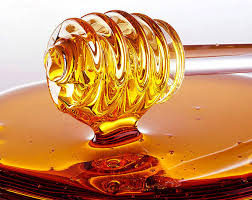
Honey vs Sugar?

Are There Really Any Health Benefits to Raw Honey, or is it as Bad as Refined Sugar?
I'm sure from reading these newsletters, you already know my stance that artificial sweeteners are pretty much one of the most evil things you can put in your body.

This leaves many people confused about what to use to sweeten their tea and other food and drinks.

First of all, the less of any sweetener you can use, the better... if you can slowly over time adjust your taste buds to enjoy the natural taste of foods and drink without the need for heavily sweetening them, you'll see many benefits for your body including maintaining more stable blood sugar and insulin levels, managing your body weight, and reducing inflammatory effects of too much sugars and artificial sweeteners.

However, this leaves the question... If you really want to at least use a little sweetener for your tea, coffee, or other foods or drinks, should you use sugar or honey, or another sweetener?

The easy answer is that honey is definitely better for you than refined sugar. However, keep in mind that they are both calorie dense and eating large amounts of honey will still make you deposit body fat if it means you exceed your caloric maintenance level.

However, refined sugar is a "negative" nutrient... this means that it is literally devoid of nutrition and using it actually makes your body use up stored nutrients to process it.

Honey on the other hand has many beneficial nutrients, enzymes, and antioxidants... raw honey is best as typical honey processing (the kind of honey you'll find at your grocery store) destroys many of the enzymes and antioxidants that give the benefits of raw honey.  Personally, I don't use any honey other than raw honey... it's a no brainer.

Also, another benefit of honey (raw) is that it has been shown in several studies to improve the body's ability to process glucose, whereas refined sugar negatively affects your body's ability to process glucose over time.
I've also seen studies that indicate another benefit of raw honey may be in the reduction of symptoms of allergies (if the raw honey is from the region you live in most of the year).

In fact, I don't use refined sugar for anything at all. It's either raw honey, pure maple syrup (not fake corn syrup), or the natural non-caloric sweetener stevia for all of my sweetening needs. Those are better choices than processed refined sugar or nasty health-destroying artificial sweeteners.

If you liked todays articles, feel free to copy and email this link on to any of your friends, family, or co-workers that would enjoy it.

Learn about my internationally renowned system to help get rid of your stubborn belly fat fast

Til next ezine issue...

Don't be lazy, be lean.

Mike Geary
Certified Nutrition Specialist
Certified Personal Trainer
Founder - TruthAboutAbs.com
Related articles:
Proper ratio of carbs and protein in a post workout shake

Tuesday, 15 September 2015

My "Superhuman Smoothie" Recipe -- for extreme health

Beware:  Your Body May Become TOO sexy if you drink something THIS good for you
by Mike Geary - Certified Personal Trainer, Certified Nutrition Specialist
Author of best-seller: 
The Truth About 6-Pack Abs

I've made this smoothie for some friends recently, and they joked that this was some sort of "superhuman smoothie" because it was so healthy, they hadn't even heard of half of the ingredients before.  They also said that it was not only incredibly delicious, but gave them insane amounts of energy.
I will warn you right off the bat... this could probably qualify as one of the healthiest smoothies on the planet, but based on the types of "exotic" ingredients, it's definitely not cheap.  But if you're willing to invest in the highest quality food ingredients for your own "extreme health", this smoothie can be part of your arsenal!

I'm also fully aware that some people in some areas of the country (or the world) may not have access to a health food store that has all of these ingredients.  However, if you live near any major urban area in any modernized country, or even if you're in a rural area but have access to a great health food store, you can find almost every ingredient.
I also firmly believe that the combination of SuperFood ingredients in this smoothie can really go a long way towards strengthening your immune system, giving you loads of energy, and also helping to burn body fat, build lean muscle, and control your appetite and cravings.
There's even some ingredients that can help boost libido, lower blood pressure, and more!
That's why I said this smoothie was only if you wanted EXTREME HEALTH!
And if you remember one of my concepts I always preach is obtaining the highest micro-nutrient density possible per unit of calories... this smoothie would rank at the top in that category!  It's also insanely high in antioxidants.
The "Superhuman Smoothie" Recipe for Extreme Health
Depending on your body size, the quantities in this recipe may actually be enough for 2 servings.  In a blender, mix together:
  • 1 cup unsweetened almond milk (very low in sugar if you get the unsweetened variety)
  • 1 cup coconut milk drink (if you can't find the "coconut milk drink", you can use 1/3 cup canned coconut milk with 2/3 cup water, since canned coconut milk is much thicker and creamier than "coconut milk drink")
  • 1 packet unsweetened frozen acai puree (you can find unsweetened acai frozen puree at many health food stores)
  • A couple handfuls of frozen goji berries or other mixed berries (I've found frozen goji berries at Whole Foods stores... don't use dried goji berries as they'll make big chunks in your smoothie.  The frozen goji berries taste better too.  You can read more about the superfood status of goji berries here)
  • A small handful of frozen spinach
  • 1 packet of stevia (a natural non-caloric sweetener I like to use since I'm strictly against the use of artificial sweeteners)
  • 2 teaspoons of chia seeds (one of the most nutrient-dense foods you can eat...loaded with rare antioxidants, soluble fiber, protein, vitamins, minerals, and super high in omega-3's) 
  • 2 teaspoons of hemp seeds (significant amounts of zinc, magnesium, phosphorus and other minerals, as well as a high quality protein and omega-3 fatty acids)
  • 1 scoop of Boku SuperFoods powder (this stuff has to be the most amazing SuperFood mixture I've found yet!)
  • 1 teaspoon of spirulina powder  (good source of unique antioxidants, tons of B-vitamins, carotenoids, protein, and strengthens the immune system)
  • 2 teaspoons of raw cacao nibs (one of the highest antioxidant foods available; can help reduce blood pressure and improve overall cardiovascular function)
  • 1 teaspoon of raw organic cocoa powder
  • 1 teaspoon of raw Maca powder (nutrient-rich, made from a south american root; purported to help increase libido; adaptogen that can help the body deal with stress)
  • 1 scoop of chocolate Raw Grass-fed whey protein (this is one of the only truly RAW and grass-fed whey proteins I've found)
  • 1 tablespoon of raw almond butter
Blend all the ingredients until thick and smooth.  I add the powdered ingredients after the blender is already running so that they mix easier.
This smoothie is so powerfully healthy for your body, you'll notice a consistent "super-energy" throughout the day without spikes and crashes if you start each day with one of these.  Also, if you consciously think about how nutritious this smoothie is, your body will actually get even better results, because of the power of the mind (placebo effect).
How to get ripped Abs

Feel free to share this webpage link on your blogs, forums, facebook, etc.  If you liked this article, please click the "Like" button below for Facebook:

Thursday, 30 July 2015

My Top 55 Lean-Body Foods to Build Lean Muscle and Lose Body Fat

by Mike Geary - Certified Nutrition Specialist, Certified Personal Trainerhealthy steak 

Author of best-selling program:  The Truth about Six Pack Abs

In most of my Lean-Body Secrets Newsletters, I like to provide a healthy snack or meal recipe that not only is delicious and healthy, but also helps to get you closer to that hard-body appearance that everyone is looking for, while also more importantly, improving your health for life. In this article, I'd like to give you healthy food ideas in a different way. This time, I figured I'd just give you some ideas of what I stock my fridge and cabinets with.
Remember, if you don't have junk around the house, you're less likely to eat junk!  If all you have is healthy nutritious foods around the house, you're forced to make smart choices. Basically, it all starts with making smart choices and avoiding temptations when you make your grocery store trip. Now these are just some of my personal preferences, but perhaps they will give you some good ideas that you'll enjoy.
Some of these will be obvious healthy choices, such as fruits and veggies... however, others on this page I think will surprise you!
Alright, so let's start with the fridge. Each week, I try to make sure I'm loaded up with lots of varieties of fresh vegetables. During the growing season, I only get local produce, but obviously in winter, I have to resort to the produce at the grocery store. Most of the time, I make sure I have plenty of vegetables like onions, zucchini,  spinach, fresh mushrooms, red peppers, broccoli, etc. to use in my morning eggs.  I also like to chop up some lean chicken or turkey sausage (make sure to look for nitrate & nitrite free) or grass-fed bison sausage into the eggs, along with some swiss, jack, or goat cheeses (preferably raw grass-fed cheeses when I can find them). 
By the way I'm talking about whole eggs, NOT egg whites.  Always remember that the yolk is the most nutritious and nutrient dense part of the egg, so only eating egg whites is like throwing away the best part... and no, it's NOT bad for you because of the cholesterol... whole eggs actually raise your GOOD cholesterol.  Try to get free range organic eggs for the best quality. Here's an entire article I did on the topic of whole eggs vs egg whites.
Coconut milk is another staple in my fridge. I like to use it to mix in with smoothies, oatmeal, or yogurt for a rich, creamy taste. Not only does coconut milk add a rich, creamy taste to lots of dishes, but it's also full of healthy saturated fats. Yes, you heard me right... I said healthy saturated fats!  ...Healthy saturated fats such as medium chain triglycerides (MCTs), specifically an MCT called lauric acid, which is vitally important for your immune system.
If the idea of healthy saturated fats is foreign to you, check out my article about why saturated fat is not as bad as you think.
Back to the fridge, some other staples:
  • Walnuts, pecans, almonds - delicious and great sources of healthy fats.  Try to get raw nuts if possible as the roasting process can oxidize some of the polyunsaturated fats in some types of nuts making those damaged fats slightly more inflammatory.  Overall, nuts are still healthy even if they are roasted, but raw nuts are optimal. 
  • Cottage cheese, ricotta cheese, and yogurt (grass-fed and organic if possible) - I like to mix cottage or ricotta cheese and yogurt together with chopped nuts and berries for a great mid-morning or mid-afternoon meal.
  • Chia seeds and/or hemp seeds - I add these highly nutritious seeds to yogurt, smoothies, or salads for a great nutty taste and loads of omega-3 fatty acids and vitamins and minerals. Don't use pre-ground versions of these seeds as the omega-3 polyunsaturated fats are highly unstable and prone to oxidation, creating high levels of free radicals if you use pre-ground seeds.  No grinding is necessary to properly digest these seeds. 
  • Whole eggs - one of natures richest sources of nutrients (and remember, they increase your GOOD cholesterol so stop fearing them).
  • Salsa - I try to get creative and try some of the exotic varieties of salsas.
  • Avocados - love them...plus a great source of healthy fats, fiber, and other nutrients. Try adding them to wraps, salads, or sandwiches.
  • Butter - don't believe the naysayers; butter adds great flavor to anything and CAN be part of a healthy diet... just keep the quantity small because it is calorie dense... and NEVER use margarine, unless you want to assure yourself a heart attack.  Most important -- choose organic butter only, since pesticides and other harmful chemicals accumulate in the fat of the milk which is used for butter, so choosing organic helps avoid this problem.  Also, choose grass-fed (pastured) butter if you can find it as it will contain higher levels of healthful omega-3 fats and the fat-burning conjugated linoleic acid (CLA). 
  • Nut butters - Plain old peanut butter has gotten a little old for me, so I get creative and mix together almond butter with pecan butter, or even cashew butter with macadamia butter...delicious and unbeatable nutrition!  Using a variety of nut butters gives you a broader range of vitamins and minerals and other micronutrients, and gives you variety instead of boring old peanut butter all the time.
  • Leaf lettuce and spinach along with shredded carrots - for salads with dinner.
  • Home-made salad dressing - using balsamic vinegar, spices, extra virgin olive oil, and Udo's Choice oil blend. This is much better than store bought salad dressing which mostly use highly refined canola or soybean oil (canola and soybean oil are both very inflammatory in the body).  Here's an article showing why to NEVER use store-bought salad dressings.
  • Sprouted grain bread for occasional use -- My personal belief from years of nutrition research is that we're not really meant to consume the massive quantities of grains (not even whole grains) that we do in this day and age... a small amount may be okay, but our digestive systems are still primarily adapted to a hunter/gatherer type of diet with only a very small amount of grains, therefore I try to only have breads and other grain-based foods on cheat days.
  • Rice bran - If we're going to have some grain-based food, we might as well have the most nutrient dense part, and rice bran is one of those parts, since it includes the germ of brown rice too. Rice bran is loaded with vitamins and minerals but without the large amount of starch calories that rice has... and it actually adds a nice little nutty, crunchy taste to yogurt or smoothies, or can be added when baking to add nutrients and fiber to the recipe.
Some of the staples in the freezer:
  • Frozen berries - during the local growing season, I only get fresh berries, but during the other 10 months of the year, I always keep a supply of frozen blueberries, raspberries, blackberries, strawberries, cherries, etc. to add to high fiber cereal, oatmeal, cottage cheese, yogurt, or smoothies. I also get frozen goji berries sometimes for a little "exotic" variety. 
  • Frozen fish - I like to try a couple different kinds of fish each week. There are so many varieties out there, you never have to get bored. Just make sure to ALWAYS choose wild fish instead of farmed versions, as the omega-3 to omega-6 balance is MUCH healthier in wild fish. 
  • Frozen chicken breasts - very convenient for a quick addition to wraps or chicken sandwiches for quick meals.
  • Grass-fed steaks, burgers, and ground beef:  Grass-fed meats have been shown to have as high as, or even higher levels of omega-3 fatty acids than salmon (without the mercury).  Also, grass-fed meats have much higher levels of fat-burning and muscle-building conjugated linoleic acid (CLA) compared to typical grain-fed beef that you'll find at your grocery store.  I recently found an excellent on-line store where I buy all of my grass-fed meats now (they even deliver right to your door in a sealed cooler) - www.healthygrassfed.2ya.com
  • Frozen buffalo, ostrich, venison, and other "exotic" lean meats - Yeah, I know...I'm weird, but I can tell you that these are some of the healthiest meats around, and if you're serious about a lean healthy body, these types of meats are much better for you than the mass produced, hormone-pumped beef, chicken, and pork that's sold at most grocery stores.
  • Frozen veggies - again, when the growing season is over and I can no longer get local fresh produce, frozen veggies are the best option, since they often have higher nutrient contents compared to the fresh produce that has been shipped thousands of miles, sitting around for weeks before making it to your dinner table.
Alright, now the staples in my cabinets:
  • Various antioxidant-rich teas - green, oolong, white, rooibos (red tea) are some of the healthiest.  One of my newest favorite teas is yerba mate, which is a south american tea that is loaded with antioxidants and other nutrients. I've found some delicious yerba mate mixes such as chocolate yerba mate, mint mate, raspberry mate, etc.
  • Oat bran and steel cut oats - higher fiber than those little packs of instant oats, which are typically loaded with sugar.  If I'm trying to reduce body fat and get extra lean, I make most of my breakfasts based on eggs and veggies and bison sausage, but if I'm on a muscle building phase, I increase carbohydrate intake and use more oat bran and oatmeal.
  • The only healthy oils I have in my cabinets are virgin coconut oil and extra virgin olive oil. Macadamia oil may also be a reasonable choice as long as it's not "refined".  But other than that, all "vegetable oils" (which is usually soy and corn oil) are total junk and very inflammatory. Never use soy or corn oils!  Also, always avoid canola oil, as there is nothing healthy about canola oil, despite the deceptive marketing claims by the canola oil industry.
  • Cans of coconut milk (loaded with healthy saturated MCT fats) - to be transferred to a container in the fridge after opening.
  • Brown rice and other higher fiber rice - NEVER white rice
  • Tomato sauces - delicious, and as I'm sure you've heard a million times, they are a great source of lycopene. Just watch out for the brands that are loaded with nasty high fructose corn syrup.  You also want to make sure that the tomato sauce is made with olive oil instead of unhealthy soybean oil or canola oils. Also get tomato sauces in glass jars instead of cans, as canned tomatoes are notoriously high in the dangerous chemical, bisphenol-A (BPA) due to the acidic leaching of BPA from the can lining.
  • Stevia - a natural non-caloric sweetener, which is an excellent alternative to the nasty chemical-laden artificial sweeteners like aspartame, saccharine, and sucralose.
  • Raw honey - better than processed honey... higher quantities of beneficial nutrients and enzymes. Honey has even been proven in studies to improve glucose metabolism (your efficiency in processing carbohydrates).  I use a small teaspoon every morning in my teas.  Yes, I know that even honey is pure sugar, but at least it has some nutritional benefits... and let's be real, a teaspoon of healthier raw honey is only 5 grams of carbs... certainly nothing to worry about, and a better choice than refined sugar.
  • Organic REAL maple syrup - none of that high fructose corn syrup Aunt Jemima crap...only real maple syrup can be considered real food. The only time I really use this (because of the high sugar load) is added to my post-workout smoothies to sweeten things up and also elicit an insulin surge to push nutrients into your muscles to aid muscle recovery.
  • Organic unsweetened cocoa powder - I like to mix this into my smoothies for an extra jolt of antioxidants or make my own low-sugar hot cocoa by mixing cocoa powder into hot milk with stevia and a couple melted dark chocolate chunks (delicious!).
  • Cans of black or kidney beans - I like to add a couple scoops to my Mexican dishes for the fiber and high nutrition content. Also, beans are surprisingly one of the best sources of youth enhancing antioxidants!  Did you know that black beans and kidney beans have more antioxidants than blueberries...it's true!
  • Dark chocolate (as dark as possible - ideally more than 70-75% cocoa content) - This is one of my treats that satisfies my sweet tooth, plus provides loads of antioxidants at the same time. It's still calorie dense, so I keep it to just 1-2 small squares after a meal... but that is enough to do the trick, so I don't feel like I need to go out and get cake and ice cream to satisfy my dessert urges.
Lastly, another thing that's hard to go wrong with is a good variety of fresh fruits and berries. The staples such as bananas, apples, oranges, pears, peaches are good, but I like to also be a little more adventurous and include things like yellow (aka - mexican or champagne) mangoes, pomegranates, kumquats, papaya, star fruit, pineapples, and others. Also, strawberries, blueberries, raspberries, blackberries, black raspberries (the highest fiber berry) and cherries are some of the most nutrient and antioxidant-dense fruits you can eat.
Well, I hope you enjoyed this special look into my favorite lean body meals and how I stock my cabinets and fridge. Your tastes are probably quite different than mine, but hopefully this gave you some good ideas you can use next time you're at the grocery store looking to stock up a healthy and delicious pile of groceries.
If you liked this article feel free to share with your friends and family.

   5 Foods that FIGHT Abdominal Fat


Sunday, 5 July 2015

Do Artificial Sweeteners (splenda, aspartame, etc) Make You Fat? Natural Alternatives Including Stevia

by Mike Geary, Certified Nutrition Specialist, Certified Personal Trainer
author:
The Truth about Six-Pack Abs

I wanted to talk about artificial sweeteners today because I've noticed that there's a lot of confusion and misconceptions revolving around these non-caloric sweeteners. Artificial sweeteners and the huge list of products sweetened with them are marketed to you relentlessly as "healthy foods" or "healthier" than sugar or corn syrup sweetened products. But are they really?

Just to clarify, some of the most popular artificial sweeteners on the market today are:
  • Splenda (sucralose)
  • Aspartame
  • Saccharine
  • Acesulfame Potassium (aka - acesulfame K)
These artificial sweeteners are used in abundance in almost every "diet" drink, "lite" yogurts, puddings, and ice creams, most "low-carb" products, and almost all "reduced-sugar" products. Heck, even most protein powders are loaded with artificial sweeteners too (just look on the ingredients and you'll usually see one of them).
Splenda is probably one of the worst offenders of claiming to be "healthy" as they say that it's made from real sugar. Don't be fooled! It's still an artificial substance. What they don't tell you is that Splenda is actually a chemically modified substance where chlorine is added to the chemical structure, making it more similar to a chlorinated pesticide than something we should be eating or drinking.
This is one of the biggest misconceptions that I see all of the time and it saddens me to see so many people poisoning their family with dangerous artificial sweeteners like splenda, while falsely thinking they're doing something healthy.
The truth is that artificial sweeteners are not even close to being healthy, and as you'll discover in a minute, can easily be just as bad for you, if not worse, than sugar or corn syrup. Most people think that they are doing something good for themselves by choosing the "diet" drinks or "lite" yogurts compared to the sugar-laden versions, but the problem is that you're exposing yourself to a whole new set of problems with the artificially sweetened drinks and foods.
I know you're probably frustrated by all of the contradicting messages you hear each day about which foods are good for you and which are bad. I'm sure just today you probably saw some clever ad or commercial somewhere screaming health benefits for a food product that is loaded with artificial sweeteners. Don't worry. Just stick with me and I'll get past the marketing hype for you and decipher the truth. I'll also give you some ideas for great alternatives to artificial sweeteners as well as alternatives to sugar or corn syrup sweeteners.
The fact is, artificial sweeteners vs. sugar or corn syrup is really just a battle between two evils. Which evil is worse?
I'm sure you already know the problems with sugar or high fructose corn syrup sweetened products. The excess empty calories, blood sugar spike, and resulting insulin surge this creates in your body not only promotes fat gain, but also stimulates your appetite further, making things even worse.
On the other hand, artificial sweeteners save you calories, but there's growing evidence that they can increase your appetite for sweets and other carbohydrates causing you to eat more later in the day anyway. Therefore, you don't really save any calories at all. Also, studies have shown that artificial sweeteners can stimulate high insulin levels in your body too, which again can promote fat storage.
All of the 4 artificial sweeteners listed above are nasty chemicals that the human body is simply not meant to ingest. However, most of us are ingesting a whole lot of these chemicals on a daily basis. Aside from the problems I touched on so far, other health issues that have been related to artificial sweeteners in scientific studies as well as observations are:
  • some have been linked to potential cancer risks
  • negative effects on the liver, kidneys, and other organs
  • stimulating cravings
  • gastrointestinal problems
  • developmental problems in children and fetuses
  • headaches
  • and too many more issues to list
Now some of the above potential health problems are definitely not proven as fact in studies. However, some of them have been shown in animal studies given high doses. Also, if you do some research, you'll find hoardes of people that attribute the use of artificial sweeteners over the years with all sorts of illnesses in themselves or in family members.
Regardless of the fact that any real health problems for actual human use are not proven yet, I don't know about you, but I'd rather protect myself and my family and steer clear of these possibly dangerous artificial chemicals.
Of course, despite all of the health issues potentially associated with artificial sweeteners, the companies that sell the products will continue to claim that they are fully safe. Don't believe them!  The bottom line is that the body was not designed to deal with foreign substances like artificial sweeteners. Take my word on that one.

So what are your options for alternatives?
Well, your best alternatives for sugar or corn syrup are either raw honey, organic maple syrup, or even a little-known high antioxidant syrup called sorghum syrup (common in the southern US). Even though these alternatives still have the same amount of calories as sugar or corn syrup... honey, organic maple syrup, and sorghum syrup actually provide some nutrients and antioxidants, so it's not just empty calories. Empty calories such as white refined sugar stimulate your appetite more because your body is lacking nutrients.
Now you're probably thinking that you'd like to still save on calories but avoid the nasty artificial sweeteners. Good news... You can!
You've probably seen me reference this natural sweetener in a lot of my recipes. It's called Stevia. I've been using it for years as an alternative sweetener when you still want to save a little on calories and sugar but don't want to harm your health with artificial sweeteners.
Stevia is not artificial like the other chemical sweeteners I mentioned above. Stevia is a natural non-caloric herb that's been used for thousands of years in some parts of the world. It is an herb and when dried into a powder, has a sweetness about 200-300 times stronger than sugar.
One problem I've noticed with using Stevia is that the pure powder is a very powerful sweetener, so you can easily use too much. However, I've found some good Stevia products that use a bulking agent added so that you can measure out the stevia powder in direct comparison to measuring sugar.
I've yet to see any negative reports or health concerns regarding stevia and only positive potential health benefits. After all, it's simply an herb as opposed to an artificial chemical derived in a lab.  I definitely give Stevia my seal of approval. Do yourself a favor (and your family), and if you are currently an artificial sweetener junkie, please consider switching to stevia.
More and more stevia products are available now even in many grocery stores.  One of the best stevia products I've found over the years is made by a company called Steviva. They have an excellent stevia product blended with another natural sweetener called erythritol. I suggest giving it a try! Just look for the "Steviva Blend". You can use it in your coffee or tea, to sweeten up plain yogurt, added to smoothies for extra sweetness, on cereals or oatmeal, in baking, or where ever else you might need a sweetener but want to reduce the sugar content.
Well, that's it for today. I hope you enjoyed this important discussion. Feel free to copy/paste this link and email it to anybody you know that might be overdoing the artificial sweeteners.
If you liked this article, please share it with your friends below:

Friday, 19 September 2014

Foods number 3 that Accelerates AGING (beware!)


Do you eat these harmful foods that AGE you faster?  Some are even deceptively marketed to you as "healthy" by giant food corporations.  Avoid or minimize these and look 5-10 years YOUNGER than your real age.

by Mike Geary - Certified Nutrition Specialist & Catherine Ebeling - RN, BSN
Authors of the best seller: The Top 101 Foods that FIGHT Aging


Sugar, sugary foods, certain starchy foods

Again, we get back to the relationship between your average blood sugar levels and blood sugar spikes over time, and how that can increase those age-accelerating compounds called AGEs in your body.
Sugar is an obvious one to avoid.  You've heard how bad it is for you 1000 times before for many other reasons, including your waistline and developing type 2 diabetes.  But now you also understand the aging effect of sugar.
Instead of sugar, consider using a natural non-caloric sweetener like Stevia in your daily coffee, tea, in baking, or other sweetening needs.  This dramatically helps you control your blood sugar response and thereby help slow aging.
So this also means to think twice about sugary desserts, sugary cereals, candy, and other sweets that are contributing to aging you faster. 
My personal trick to satisfy my sweet tooth is to only have 1-2 squares of dark chocolate after dinner instead of a normal full dessert that most people choose.  You only get about 2 grams of sugar in 1-2 squares of dark chocolate as opposed to 40-80 grams of age-accelerating sugar in a typical cake, ice cream, or brownie type of dessert.
Keep in mind that some starchy foods like white rice, oatmeal, and white potatoes can also have significant impacts on your blood sugar and thereby can increase formation of AGEs in your body.  These foods are best kept in smaller portions if you decide to eat them, and balanced with healthy fats and protein to slow the blood sugar response.
Come and see Food #4 that accelerates aging in your body tomorrow, also put this blog in your favourites for daily updates on nutrition and what exercises to achieve the body you've always wanted.

Get your copy of 101 anti-aging foods HERE

Friday, 9 May 2014

Do Artificial Sweeteners (splenda, aspartame, etc) Make You Fat? Natural Alternatives Including Stevia

by Mike Geary, Certified Nutrition Specialist, Certified Personal Trainer
author:
The Truth about Six-Pack Abs


I wanted to talk about artificial sweeteners today because I've noticed that there's a lot of confusion and misconceptions revolving around these non-caloric sweeteners. Artificial sweeteners and the huge list of products sweetened with them are marketed to you relentlessly as "healthy foods" or "healthier" than sugar or corn syrup sweetened products. But are they really?

Just to clarify, some of the most popular artificial sweeteners on the market today are:
  • Splenda (sucralose)
  • Aspartame
  • Saccharine
  • Acesulfame Potassium (aka - acesulfame K)
These artificial sweeteners are used in abundance in almost every "diet" drink, "lite" yogurts, puddings, and ice creams, most "low-carb" products, and almost all "reduced-sugar" products. Heck, even most protein powders are loaded with artificial sweeteners too (just look on the ingredients and you'll usually see one of them).
Splenda is probably one of the worst offenders of claiming to be "healthy" as they say that it's made from real sugar. Don't be fooled! It's still an artificial substance. What they don't tell you is that Splenda is actually a chemically modified substance where chlorine is added to the chemical structure, making it more similar to a chlorinated pesticide than something we should be eating or drinking.
This is one of the biggest misconceptions that I see all of the time and it saddens me to see so many people poisoning their family with dangerous artificial sweeteners like splenda, while falsely thinking they're doing something healthy.
The truth is that artificial sweeteners are not even close to being healthy, and as you'll discover in a minute, can easily be just as bad for you, if not worse, than sugar or corn syrup. Most people think that they are doing something good for themselves by choosing the "diet" drinks or "lite" yogurts compared to the sugar-laden versions, but the problem is that you're exposing yourself to a whole new set of problems with the artificially sweetened drinks and foods.
I know you're probably frustrated by all of the contradicting messages you hear each day about which foods are good for you and which are bad. I'm sure just today you probably saw some clever ad or commercial somewhere screaming health benefits for a food product that is loaded with artificial sweeteners. Don't worry. Just stick with me and I'll get past the marketing hype for you and decipher the truth. I'll also give you some ideas for great alternatives to artificial sweeteners as well as alternatives to sugar or corn syrup sweeteners.
The fact is, artificial sweeteners vs. sugar or corn syrup is really just a battle between two evils. Which evil is worse?
I'm sure you already know the problems with sugar or high fructose corn syrup sweetened products. The excess empty calories, blood sugar spike, and resulting insulin surge this creates in your body not only promotes fat gain, but also stimulates your appetite further, making things even worse.
On the other hand, artificial sweeteners save you calories, but there's growing evidence that they can increase your appetite for sweets and other carbohydrates causing you to eat more later in the day anyway. Therefore, you don't really save any calories at all. Also, studies have shown that artificial sweeteners can stimulate high insulin levels in your body too, which again can promote fat storage.
All of the 4 artificial sweeteners listed above are nasty chemicals that the human body is simply not meant to ingest. However, most of us are ingesting a whole lot of these chemicals on a daily basis. Aside from the problems I touched on so far, other health issues that have been related to artificial sweeteners in scientific studies as well as observations are:
  • some have been linked to potential cancer risks
  • negative effects on the liver, kidneys, and other organs
  • stimulating cravings
  • gastrointestinal problems
  • developmental problems in children and fetuses
  • headaches
  • and too many more issues to list
Now some of the above potential health problems are definitely not proven as fact in studies. However, some of them have been shown in animal studies given high doses. Also, if you do some research, you'll find hoardes of people that attribute the use of artificial sweeteners over the years with all sorts of illnesses in themselves or in family members.
Regardless of the fact that any real health problems for actual human use are not proven yet, I don't know about you, but I'd rather protect myself and my family and steer clear of these possibly dangerous artificial chemicals.
Of course, despite all of the health issues potentially associated with artificial sweeteners, the companies that sell the products will continue to claim that they are fully safe. Don't believe them!  The bottom line is that the body was not designed to deal with foreign substances like artificial sweeteners. Take my word on that one.
So what are your options for alternatives?
Well, your best alternatives for sugar or corn syrup are either raw honey, organic maple syrup, or even a little-known high antioxidant syrup called sorghum syrup (common in the southern US). Even though these alternatives still have the same amount of calories as sugar or corn syrup... honey, organic maple syrup, and sorghum syrup actually provide some nutrients and antioxidants, so it's not just empty calories. Empty calories such as white refined sugar stimulate your appetite more because your body is lacking nutrients.
Now you're probably thinking that you'd like to still save on calories but avoid the nasty artificial sweeteners. Good news... You can!
You've probably seen me reference this natural sweetener in a lot of my recipes. It's called Stevia. I've been using it for years as an alternative sweetener when you still want to save a little on calories and sugar but don't want to harm your health with artificial sweeteners.
Stevia is not artificial like the other chemical sweeteners I mentioned above. Stevia is a natural non-caloric herb that's been used for thousands of years in some parts of the world. It is an herb and when dried into a powder, has a sweetness about 200-300 times stronger than sugar.
One problem I've noticed with using Stevia is that the pure powder is a very powerful sweetener, so you can easily use too much. However, I've found some good Stevia products that use a bulking agent added so that you can measure out the stevia powder in direct comparison to measuring sugar.
I've yet to see any negative reports or health concerns regarding stevia and only positive potential health benefits. After all, it's simply an herb as opposed to an artificial chemical derived in a lab.  I definitely give Stevia my seal of approval. Do yourself a favor (and your family), and if you are currently an artificial sweetener junkie, please consider switching to stevia.
More and more stevia products are available now even in many grocery stores.  One of the best stevia products I've found over the years is made by a company called Steviva. They have an excellent stevia product blended with another natural sweetener called erythritol. I suggest giving it a try! Just look for the "Steviva Blend". You can use it in your coffee or tea, to sweeten up plain yogurt, added to smoothies for extra sweetness, on cereals or oatmeal, in baking, or where ever else you might need a sweetener but want to reduce the sugar content.
If you want to grab some, here's the site: Stevia Blend
Well, that's it for today. I hope you enjoyed this important discussion. Feel free to copy/paste this link and email it to anybody you know that might be overdoing the artificial sweeteners.
If you liked this article, please share it with your friends below: