Lose Belly fat For Life

Welcome to my blog where you can learn how to lose that stubborn belly fat and get your six pack Abs on show.

An Educational Resource

Learn what foods will help you lose belly fat and foods that won't.

Exercise Right!

Learn what exercises will help you get those stubborn abs defined, and get the body you have always wanted.

Eat Right!

Learn what foods will help you get the healthy body you have always wanted.

Get Started Today!

Claim your FREE e-book & follow these simple tips and live the healthier lifestyle you deserve.

5 Tips
Showing posts with label sugar. Show all posts

Saturday, 14 November 2015

Honey vs Sugar?

Are There Really Any Health Benefits to Raw Honey, or is it as Bad as Refined Sugar?

I'm sure from reading these newsletters, you already know my stance that artificial sweeteners are pretty much one of the most evil things you can put in your body.

This leaves many people confused about what to use to sweeten their tea and other food and drinks.

First of all, the less of any sweetener you can use, the better... if you can slowly over time adjust your taste buds to enjoy the natural taste of foods and drink without the need for heavily sweetening them, you'll see many benefits for your body including maintaining more stable blood sugar and insulin levels, managing your body weight, and reducing inflammatory effects of too much sugars and artificial sweeteners.

However, this leaves the question... If you really want to at least use a little sweetener for your tea, coffee, or other foods or drinks, should you use sugar or honey, or another sweetener?

The easy answer is that honey is definitely better for you than refined sugar. However, keep in mind that they are both calorie dense and eating large amounts of honey will still make you deposit body fat if it means you exceed your caloric maintenance level.

However, refined sugar is a "negative" nutrient... this means that it is literally devoid of nutrition and using it actually makes your body use up stored nutrients to process it.

Honey on the other hand has many beneficial nutrients, enzymes, and antioxidants... raw honey is best as typical honey processing (the kind of honey you'll find at your grocery store) destroys many of the enzymes and antioxidants that give the benefits of raw honey.  Personally, I don't use any honey other than raw honey... it's a no brainer.

Also, another benefit of honey (raw) is that it has been shown in several studies to improve the body's ability to process glucose, whereas refined sugar negatively affects your body's ability to process glucose over time.
I've also seen studies that indicate another benefit of raw honey may be in the reduction of symptoms of allergies (if the raw honey is from the region you live in most of the year).

In fact, I don't use refined sugar for anything at all. It's either raw honey, pure maple syrup (not fake corn syrup), or the natural non-caloric sweetener stevia for all of my sweetening needs. Those are better choices than processed refined sugar or nasty health-destroying artificial sweeteners.

If you liked todays articles, feel free to copy and email this link on to any of your friends, family, or co-workers that would enjoy it.

Learn about my internationally renowned system to help get rid of your stubborn belly fat fast

Til next ezine issue...

Don't be lazy, be lean.

Mike Geary
Certified Nutrition Specialist
Certified Personal Trainer
Founder - TruthAboutAbs.com
Related articles:
Proper ratio of carbs and protein in a post workout shake

Monday, 2 November 2015

The Best and WORST Protein Bars

Don't be fooled by "protein bars" that are really candy bars in disguise... read below for
The 6 Most Important Things to Look for in a Bar

by Mike Geary - Certified Personal Trainer, Certified Nutrition Specialist
Author of best-seller:  The Truth About Six-Pack Abs


I know there's a lot of confusion these days about what actually constitutes a truly healthy "protein bar" or meal replacement bar... let's face it... most protein bars on the market have at least one or more of these evil ingredients:
    boku super food bars
  • Too much sugar
  • High fructose corn syrup
  • Soy protein  (and no, soy protein is NOT healthy)
  • Nasty artificial sweeteners  (anybody want some cancer with that protein bar?)
  • Other chemical additives
  • Artificial forms of vitamins, instead of naturally occuring
  • Excessive amounts of sugar alcohols
  • and even occasionally, shockingly, trans fats in some bars!
So with that said, some of the worst protein or "energy" bars out there have at least 1 or more of these problems above.
In all honestly, it's actually really hard to find a good bar that doesn't have one of these problems.  I've even seen some bars marketed as "healthy" that contain corn syrup as the 1st ingredient!  No, I'm not joking... they should be arrested for false advertising like that!
I'm not going to "name names" and name all of the junk protein bars (because there's simply too many bad ones to name), but you now know to avoid everything listed above.  And also, here's the absolute MOST important things I look for...
The 6 most important things that I look for in a good protein bar are:
1.  One of the first things I look for on the ingredient label is to make sure there is ZERO soy protein.
Remember that soy protein and soy products in general are one of the most contaminated crops with pesticide and herbicide residues (which are xenoestrogens that increase your "stubborn" belly fat)...
Soy is also the most genetically modified of any crop (which has it's own potentially scary issues we won't even delve into in this article)... and even worse, soy proteins in particular typically concentrate much of the phytoestrogens in soy (different than xenoestrogens), which adds a double whammy for adding belly fat to your body.  Organic soy is a step in the right direction, but I'd still stay away from it for many reasons.
Instead of soy protein, I look for healthier protein sources in my bars, such as brown rice protein, hemp protein, whey protein, or even just obtaining the protein content from various nuts and seeds.
2.  The 2nd most important thing that I make sure to avoid in protein bars are artificial sweeteners.... so I look out for sucralose, aspartame, acesulfame potassium (a.k.a acesulfame K), or any other artificial sweeteners.
I also try to avoid large amounts of sugar alcohols.  If a bar only has 1 or 2 grams of sugar alcohols, that's not a big deal, but I try to avoid anything more than that.
3.  The 3rd thing I look at is total carbohydrates and total grams of fiber.  Specifically, what I look for is a good ratio of grams of fiber to grams of total carbohydrates.  The higher the ratio of fiber compared to total carbs, the better this bar will be for your blood sugar stabilization, and therefore, appetite control.
For example, if bar1 has 5 grams of fiber, but 50 grams of total carbs, that's only 10% fiber content out of total carbs.  Not good!
However, if bar2 has 4 grams of fiber, and 16 grams of total carbs, that's actually 25% fiber content out of total carbs!  Bar2 had 1 gram less fiber, but had a MUCH better ratio (2.5x better ratio) of fiber to total carbs.  Bar2 is the clear winner... assuming it doesn't contain the other evil ingredients we talked about above.
4.  The 4th most important thing I look at on the nutrition label of a protein bar or energy bar is the protein content vs the carbohydrate content.
Generally, I look for at least 10 to 15 grams of protein or more, and maybe no more than 20-30 grams of total carbs.  However, we have to make sure that there's no soy protein, and also, if the fiber content is super high, it doesn't matter if the total carb amount is over 30 grams, as long as the ratio of fiber to total carbs is very high (at least 25% or more fiber content of total carbs)
5.  Another thing I generally look for in a good bar is about 8-15 grams of healthy fats (usually obtained from nuts and seeds in the ingredients, coconut oil, or almond butter).  This is important not only for having a good tasting bar, but also to make sure the bar has a better glycemic profile (which the healthy fats help with), and help to satisfy your appetite longer.
6.  The last thing I look for in a good bar is simply a bonus if it does contain any... and that would be if it has any superfoods or greens... superfoods such as spirulina, maca, blue-green algae, kelp, chlorella, goji berry, raw cacao or organic cocoa powder, and other greens, etc.
So with all of those things in mind, what are the BEST bars out there?
Well, I previously used to recommend a couple that were my favorites - Larabars and Organic Food Bars.
I still think both of these are excellent bars, and use almost solely organic, raw, natural ingredients without any soy protein, HFCS, artificial sweeteners, or other junk.  However, I've always felt they could do slightly better on the fiber content and the protein content... as those are 2 of the most important aspects of a good bar that I look for.
So, just last week, I found a NEW bar, that has just become my new favorite bar!  It's called the Boku Superfood Bar and I just received my box in the mail a couple days ago... and I'm blown away at not only how delicious these bars taste, but also how practically perfect they are in terms of nutrition!
And they're even cheaper than most bars at my local health food store... and better quality.  Needless to say, I'm a little excited about this new find!
Here's why I think these bars are almost perfect nutrition-wise:
  • 15 grams of protein (from raw sprouted brown rice protein... and some from the almond butter too)
  • a whopping 11 grams of fiber out of 30 grams of total carbs!  (that's a 37% ratio of fiber content... pefect for blood sugar stability)
  • there's 13 grams of healthy fats (mostly from the almond butter and almonds)
  • these bars also have some sprouted quinoa, and celtic sea salt (but are still low sodium)
  • and best of all, they contain loads of superfoods from the Boku Superfood blend of greens, maca, goji berries, antioxidant-rich mushrooms, probiotics, enzymes, and more
Overall, these are the best bars I've found in terms of taste and nutrition combined!  You've gotta give em a try!
Also, I love this company because of their focus on super high quality ingredients.  I've also tried their Boku SuperProtein and and their Boku SuperFood, and I love the quality of both of those products too.  I think they're one of the best companies out there these days in the health food space for sure.
If you liked this article and thought it was helpful, please help your friends and family and copy the link to this page and share with your friends in Facebook, Twitter, etc.
Also, please "like" this article below for Facebook:

Monday, 10 August 2015

3 Counterfeit Foods Marketed as "Healthier" - these are Deceptive

by Mike Geary, Certified Nutrition Specialist, Certified Personal Trainer

author of best-selling programThe Truth about Six Pack Abs

I was at the grocery store yesterday and had to shake my head at all of the deceptive labels with everything claiming all sorts of things that are supposedly "healthy", but aren't really. 

One of the things that really disturbed me was that I saw several examples of healthy foods in their natural state, but I saw counterfeit versions of these foods claiming that they were healthier than the original...
Yet in reality, all of these "counterfeit" versions were actually MUCH worse for you than the original, and more highly processed... and they still have the balls to claim that their overly processed "junkified" versions are better.
This is food marketing deception at it's worst!
Example #1:  Product claiming "Better than peanut butter" by being a low-fat peanut butter
This product is ridiculous!  I can't believe anyone would ever believe that this junk is better for them than natural peanut butter.
What I'm talking about here are the types of peanut butter that claim to be "lower-fat peanut butter"...  But remember that "low-fat" many times just means more added sugars and carbs to replace the fats they took out.  Not good!
First of all, if you buy a good simple peanut butter (organic is best), it is usually nothing but 2 ingredients... peanuts and salt. And they don't add much salt so it's not high in sodium. 
Note: Remember to always avoid peanut butters that contain harmful hydrogenated oils.  Peanut butter that contains palm oil is a better alternative than added hydrogenated oils... but natural peanut butter with just peanuts and salt is best.
Back to the counterfeit peanut butter... This counterfeit peanut butter which claimed it was "better than peanut butter" (trying to seem healthier than peanut butter based on it's label claims) had a list of junk in it you wouldn't believe. First of all, they strip most of the healthy fats out of the peanuts so that it is a "low fat" product. Ok, now you've just taken away one of the healthiest parts of the product...the appetite satisfying healthy fats that you need to control cravings and manage more stable blood sugar levels.
To make things worse, the healthy fats were replaced with TWO different types of sugary syrups as well as additional dehydrated cane juice (aka SUGAR), in addition to added refined starches.
This product has taken something as simple and natural as peanut butter, and turned it into what should really be called some sort of processed candy. Yet, they claim that it's healthier than peanut butter because it's "lower fat".  And somehow they get away with deceiving people like this. Don't be their fool! 
This overly processed peanut butter may be lower in fat (by removing the healthy fats), but it's also higher in sugar and total carbohydrates, bringing the calorie total pretty close to regular peanut butter.
Example #2: Product claiming to be "better than eggs".
I won't get as detailed on this one because I recently talked about this entire topic in another newsletter.
But basically, this product was just egg whites with a bunch of added chemical colorings, flavorings, and other nonsense, including fake added vitamins.
Again, this product has essentially ruined a good thing by removing the healthiest part... the YOLKS!  And yes, the yolks ARE the healthiest part of the egg. Anybody that tells you different doesn't understand much about REAL nutrition.  The important thing to look for in quality whole eggs are cage-free and organic, and also the diet that the hens ate.  Most commercial egg farms are a disaster for the health of the hens, as they are crowded inside hen houses and never see the light of day, and are fed unhealthy amounts of grains.
Your best bet is to find a local farmer that you know allows the hens daily time outdoors to roam freely on land and eat a variety of greens, bugs, etc.  I understand that not everybody can find a local farmer that does this type of thing... so what you want to look for at the grocery store is organic, free-range eggs, and also brands that claim higher amounts of DHA or omega-3's. 
A slight improvement over standard eggs is if the hens had flax seed or algae feed included in their diet to increase the omega-3 content of the eggs.  These eggs will have a better ratio of omega-3 to omega-6 fats.
If you missed my previous article about whole eggs vs egg whites, you can view it here...
Click here, Are Whole Eggs or Egg Whites Healthier?
Example #3:  A product claiming to be "better than butter".
This was essentially crappy margarine loaded with highly processed and deadly trans fats, yet it had the nerve to claim it was "better than butter".
Who are they fooling!
Even low quality butter is healthier than ANY margarine. One problem with butter can be pesticides and hormones from improperly raised cows.
For this reason, you always want to choose organic butter, and if you can find "grass-fed" organic butter, then I would even say it can be healthy for you.  In fact, a little known fact is that adding a little butter to your steamed vegetables helps your body to absorb more of the vitamins and minerals in the veggies.  It's true...having veggies with a fat source aids your assimilation of vitamins and minerals.  If you missed the article the other day about why      Click here:- healthy grass-fed butter can even help fat loss, read that here .
Another factor in favor of butter:
Due to the content of stable saturated fats in butter, this makes butter one of the healthiest oils or fats to cook with. Oils high in polyunsaturated fats are the worst to cook with due to their highly unstable nature, which contributes to excess free radical production.  For more info about this topic, here's an article I did about healthy vs unhealthy cooking oils
What about the saturated fats in butter?
No, the saturated fat in butter is NOT bad for you. If you've been reading my newsletters for some time, you know that we've already beaten that topic to death. If you're new to this newsletter, you can go back to this page to see why saturated fats are a perfectly natural part of the human diet and always have been: Click here:-Evidence that saturated fat is NOT bad for you
Feel free to share this article with your friends and family and help to protect their health:

Monday, 27 July 2015

Dairy Fat Found to PREVENT Artery Clogging? (Study Results)

You've been told that dairy fat from butter, cheese and cream CLOGS your arteries... WRONG!  Studies show 3 super-nutrients in certain dairy fat found to PROTECT you from heart disease

by Mike Geary, Certified Personal Trainer, Certified Nutrition Specialist
Author of best-sellers: The Truth About Six Pack Abs
& The Top 101 Foods that FIGHT Aging

For decades now, news reporters with zero nutrition education, government agencies using outdated information from the 1960's, and well-meaning but misinformed dieticians have pounded into your head that dairy fat from butter, cream, cheese, and other full-fat dairy products is terrible for you and "CLOGS" your arteries... but what if they've been WRONG all along?
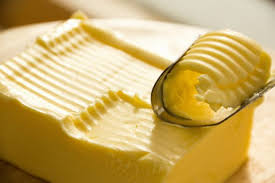
Image result for butterAfter all, it wouldn't be the first time that the government, the media, and dieticians have been wrong about a nutrition topic... remember for years when everyone falsely believed that trans fat laden margarine was better for you than butter?  Wow, were they ever wrong about that!  And remember the years when everyone falsely believed that egg yolks were bad for you?  Well, I think most of us are more educated now about that as well... At least I hope so!
Did you know that between the years 1910 to 2000, the average annual butter consumption per person in the US decreased from 18 lbs per year in 1910 to less than 4 lbs per year in 2000... Meanwhile heart disease rates between 1910 to 2000 QUADRUPLED.
Hmm... so let's think about that for a minute...we ate almost 5x the amount of butter on average in 1910 and yet heart disease was RARE at the time.  Clearly the argument that so many health "experts" make about dairy fat being "deadly" is not accurate and needs to be re-evaluated.
Let's look at some more interesting examples...
With regards to dairy fat from butter, cheese, and cream, if you believed the media that dairy fat clogs your arteries, then why do the French stay leaner and have a much lower rate of heart disease despite a diet very high in full-fat cheese, butter, and cream compared to Americans that purposely try to reduce their butter intake and choose non-fat or reduced-fat dairy products most of the time?
Or why do the Swiss, known for their rich full-fat dairy products including lots of cheese display lower heart disease rates than Americans?
Or how about the natives of the Caucasus Mountains in Eastern Europe that routinely live to over 100 years old while drinking full-fat dairy almost daily throughout their lives in the form of Kefir?
We've also got the Maasai and Samburu tribes from Africa that eat a diet rich in full-fat dairy (4-5x the consumption of dairy fat on average than most Americans) and yet display robust health with a distinct lack of degenerative diseases like heart disease.
Hmm, what's going on here?
We could go on and on with examples that show the opposite of what you've been told over the years about dairy fat, but the fact of the matter is that all of these "experts" that have told you to avoid dairy fat have been flat out WRONG for decades now!
The TRUTH is... studies are consistently showing that certain unique compounds in dairy fat actually PREVENT the clogging of arteries and reduce your risk of heart disease!
I'll tell you in a second about the powerful compounds in some types of dairy fat that can help reduce your risk of heart disease, but first, please realize that if you eat a lot of inflammatory foods such as sugar, corn syrup, refined grains (wheat and corn cereals, breads, etc), artificial trans fats, refined vegetable oils (soybean oil, corn oil), etc, you will most likely still be clogging your arteries from the inflammation caused by what these foods do to your insides.
So aside from just simply observing certain cultures around the world and their dairy fat intake, what other evidence do we have that compounds found in dairy fat can actually protect you from heart disease and prevent clogging of your arteries?  Well...
Studies involving 3 specific super-nutrients found in grass-fed dairy fat
Note that the 3 nutrients that I'm discussing here that help protect you from heart disease are found mostly in GRASS-FED dairy (pasture-raised) and not conventional grain-fed factory farm dairy that's the majority of dairy found in the US.  Also, realize that we're talking about benefits from the fat portion of the dairy specifically here (yes, the cream and butterfat), so this means FULL-FAT grass-fed dairy is where the benefits will come from and NOT all of these silly skim, 0%, or 1% reduced-fat varieties of yogurts, cheeses, etc.
Note that most dairy from Europe and other parts of the world is typically grass-fed for the majority of their feed and only supplemented with smaller amounts of grain.  For that reason, if you choose European cheeses, you're generally going to get a healthier type of cheese.  And if you can't find butter or cream that's labeled as grass-fed or pasture raised, realize that true Irish butter (Kerrygold is a good brand of Irish butter in the US) or any European butter is usually grass-fed and a better choice.
Although, as consumer awareness is increasing about the benefits of grass-fed dairy in the US, I've noticed that more and more US brands are offering grass-fed yogurt, cheeses, butter, cream, and kefir from small family farm operations that truly allow the cows to freely roam and forage on grass and herbs.
So let's get to those super-nutrients found in the fat of grass-fed dairy:

Dairy Fat Super-Nutrient #1: Vitamin K2
Vitamin K1 is found in leafy greens and is definitely good for you.  However, studies of vitamin K1 in relation to heart disease are neutral, meaning there's no negative or positive response in comparing vitamin K1 and heart disease.
However, the story is quite different with vitamin K2!  In one Dutch study reported in the Journal of Nutrition in 2004, people with the highest vitamin K2 consumption had a whopping 51% lower risk of heart attack mortality and a 26% lower risk of death from all causes compared to those eating the least vitamin K2!  The study concluded that higher vitamin K2 consumption reduced arterial calcification.
Vitamin K2 also helps prevent Arthritis!  That's right... recent studies are showing that Vitamin K2 not only protects against arterial calcification, but also inappropriate calcification in various soft tissues throughout the body, including your joints.
The best sources of vitamin K2...

You guessed it:  grass-fed dairy fat (butter, cream, certain cheeses), organ meats, egg yolks, and certain fermented foods that use a specific starter culture.  In terms of cheeses, brie and gouda are apparently the highest in vitamin K2 due to the cultures that are used to ferment the cheese.  And goose liver is extremely high in vitamin K2 as well.
Isn't it ironic that so many health "experts" have been telling you for decades to avoid dairy fat, and yet dairy fat contains one of the most powerful compounds being studied that helps prevent arterial calcification and clogged arteries.  As I always say, beware of who you trust when it comes to nutrition information!
One other important thing to note about vitamin K2...
Apparently, new research is proving what Weston Price knew all along many many years ago... in order for your body to properly utilize oral vitamin D, you need vitamin K2 as well.  In many of Dr. Price's experiments, he found that patients only had minor improvements in health parameters when given cod liver oil (a concentrated natural source of vitamin D), but when cod liver oil was combined with grass-fed butter for vitamin K2, the health improvements were significantly better, as the vitamin K2 and vitamin D worked together synergistically inside the body.
Also keep in mind that vitamin K2 is generally NOT found in multi-vitamins or other supplements, so you need to obtain it from grass-fed dairy fat or other animal foods such as egg yolks or organ meats.
For those choosing to go on a vegan diet, please realize that vitamin K2 deficiency is a very serious concern.  Vitamin K2 deficiency can disrupt the balance and function that vitamin D and calcium play inside your body (causing inappropriate calcification in your body if you're deficient in K2) and can lead to arterial calcification in vegans that ignore this important nutrient.  Vitamin B12 is another important nutrient that vegans are typically extremely deficient in, and supplemental forms are not as well utilized by the body.

Dairy Fat Super-Nutrient #2: CLA (conjugated linoleic acid)
CLA is a unique type of healthy fat that's found in the fat from grass-fed meat or dairy in ruminant animals such as sheep, goats, cows, deer, etc.  In separate studies, CLA has been found to lower the risk for cancer and arteriosclerosis (hardening of the arteries), in addition to improving fat loss.
Grass-fed dairy or meat has been found to contain 3-5x the amount of healthy CLA fats as grain-fed dairy or meat.
In one study in 2010, researchers studied the effects of consumption of a sheep's milk pecorino cheese on atherosclerotic biomarkers (indicating risk for heart disease), and found that the dairy fat in this cheese improved the subjects markers!  They concluded: "intake of the tested dairy product naturally rich in cis-9, trans-11 CLA appeared to cause favourable biochemical changes of atherosclerotic markers."
A search of conjugated linoleic acid in relation to cancer and fat loss on pubmed also brought up dozens of positive studies showing relationship between CLA and reduced cancer risks and improved weight loss.
CLA is yet another example of an extremely healthy fat contained in dairy fat, and higher in grass-fed dairy compared to grain-fed.  Yet another reason why I proclaim that most "experts" and dieticians out there telling you to choose skim or low-fat versions of yogurt, cheeses, or kefir are dead wrong.  Enough with the fat-phobia!  As we're seeing, full-fat dairy can be healthier and taste better too!

Dairy Fat Super-Nutrient #3: Omega-3 Fats
I don't think we need to go into great detail on this one, as most people are aware that omega-3 fatty acids are very important for heart health and almost every aspect of health related to inflammation with more benefits to your body than I could even list here.
And it's no secret that pasture-raised dairy fat is a great source of omega-3 fatty acids.  Just keep in mind that pasture raised dairy fat contains a MUCH better ratio of omega-3 to omega-6 fats than does conventional grain-fed dairy fat.
Most people already consume FAR too much omega-6 fats, and need to raise their levels of omega-3 fats.  Grass-fed dairy fats can certainly help with that goal, just like fish oils do!
With everything in this article being about the health benefits of these 3 super-nutrients found in grass-fed dairy fats, are grain-fed dairy fats actually bad for you?  Well, the way I see it is that the fats in grain-fed dairy are "neutral", meaning I don't believe they are terrible for you like hydrogenated oils are bad for you, but I wouldn't call grain-fed dairy fats beneficial either.
Just be aware that pesticides and other harmful chemicals can accumulate in the fat portion of dairy, so if you choose to use grain-fed dairy, choosing organic is very important.  On the other hand, if it's grass-fed dairy you're eating, it's less important that it's also labeled as organic since the cows will naturally be exposed to less chemicals in a pasture-raised environment.
Before we finish this article, let me also summarize my opinion of healthy vs unhealthy dairy products, since I know there's so much confusion and misinformation about dairy out there...

Healthy Forms of Dairy with Super-Nutrients that Protect Your Health:
  • Pasture-raised cream (aka, grass-fed)
  • Pasture-raised butter
  • Aged cheeses made from pasture-raised milk (European cheeses are generally grass-fed) -- Note that aged cheeses are generally more digestible than non-aged cheeses since microbes have already partially broken them down.
  • Yogurt - only unsweetened, plain, or plain greek gets my vote (organic or grass-fed if possible)
  • Kefir - fermented (cultured) milk with 2-10x more probiotics than yogurt. Kefir is the healthiest, most digestible form of dairy available and is known to heal many digestive problems (7 - 50 Billion probiotics per cup)
  • Lassi - another form of fermented milk, Indian style, and similar to Kefir.

Unhealthy Forms of Dairy:
  • Homogenized/pasteurized commercial milk - homogenized milk fat is thought to be harmful to health due to the microscopic fat particles that are formed from the homogenization processing.
  • Yogurt that's loaded with sugar or artificial sweeteners (which is most brands)
  • Processed non-aged cheeses such as American cheese or cheese spreads
     
The bottom line...
Full-fat grass-fed dairy is NOT the "dangerous" fat that you've been led to believe by the media, the government, and some dieticians.  As you can see in this article, there are at least 3 super-nutrients in the fat portion of dairy that are shown to PROTECT you from heart disease, as well as other health benefits.
Oh, and let's not forget that dairy fat tastes great!  I'll take REAL cream in my coffee any day over fake coffee creamer laden with hydrogenated oil and corn syrup.  I'll take full-fat creamy yogurt over non-fat yogurt any day.  I'll enjoy a good full-fat aged cheese instead of some silly fat-free processed cheese any day too, knowing that the full-fat aged cheese actually does a body good.
I personally choose to cook with butter frequently (mixed with coconut oil many times), and I enjoy full-fat grass-fed cream whenever I drink coffee (Organic Valley has a good pasture-raised cream).  I also drink full-fat Greek style Kefir most days of the week, and I enjoy all of these foods not just for their great taste, but also knowing that they only HELP protect my health.
And this daily ration of dairy fat is certainly not adding any body fat to my frame... I'm still as lean as ever.  As you now know, the CLA in grass-fed dairy fat actually aids fat loss, and the healthy fats overall can help to reduce cravings, control appetite, and balance your hormones.  So let's all please stop being afraid of dairy fat, as long as you avoid that homogenized milk!
By the way, make sure to read one of my previous articles on The TRUTH about yogurt for everything you need to know about yogurt, both bad and good.

Feel free to share today's dairy fat article with your health-conscious friends and family.  Easy sharing options below:

Saturday, 9 August 2014

Honey vs. Sugar?


Are There Really Any Health Benefits to Raw Honey, or is it as Bad as Refined Sugar?
I'm sure from reading these newsletters, you already know my stance that artificial sweeteners are pretty much one of the most evil things you can put in your body.

This leaves many people confused about what to use to sweeten their tea and other food and drinks.

First of all, the less of any sweetener you can use, the better... if you can slowly over time adjust your taste buds to enjoy the natural taste of foods and drink without the need for heavily sweetening them, you'll see many benefits for your body including maintaining more stable blood sugar and insulin levels, managing your body weight, and reducing inflammatory effects of too much sugars and artificial sweeteners.

However, this leaves the question... If you really want to at least use a little sweetener for your tea, coffee, or other foods or drinks, should you use sugar or honey, or another sweetener?

The easy answer is that honey is definitely better for you than refined sugar. However, keep in mind that they are both calorie dense and eating large amounts of honey will still make you deposit body fat if it means you exceed your caloric maintenance level.

However, refined sugar is a "negative" nutrient... this means that it is literally devoid of nutrition and using it actually makes your body use up stored nutrients to process it.

Honey on the other hand has many beneficial nutrients, enzymes, and antioxidants... raw honey is best as typical honey processing (the kind of honey you'll find at your grocery store) destroys many of the enzymes and antioxidants that give the benefits of raw honey.  Personally, I don't use any honey other than raw honey... it's a no brainer.  You can find raw honey at certain health food stores or online.

Also, another benefit of honey (raw) is that it has been shown in several studies to improve the body's ability to process glucose, whereas refined sugar negatively affects your body's ability to process glucose over time.
I've also seen studies that indicate another benefit of raw honey may be in the reduction of symptoms of allergies (if the raw honey is from the region you live in most of the year).

In fact, I don't use refined sugar for anything at all. It's either raw honey, pure maple syrup (not fake corn syrup), or the natural non-caloric sweetener stevia for all of my sweetening needs. Those are better choices than processed refined sugar or nasty health-destroying artificial sweeteners.

If you liked todays articles, feel free to copy and email this link on to any of your friends, family, or co-workers that would enjoy it.