Lose Belly fat For Life

Welcome to my blog where you can learn how to lose that stubborn belly fat and get your six pack Abs on show.

An Educational Resource

Learn what foods will help you lose belly fat and foods that won't.

Exercise Right!

Learn what exercises will help you get those stubborn abs defined, and get the body you have always wanted.

Eat Right!

Learn what foods will help you get the healthy body you have always wanted.

Get Started Today!

Claim your FREE e-book & follow these simple tips and live the healthier lifestyle you deserve.

5 Tips

Monday, 1 June 2015

These 15 WHITE foods protect your cells & flatten your stomach


As I was flipping through the channels the other day, I stopped on a news station where a prominent Registered Dietician was giving nutrition tips for a "summer ready body".  I always find it interesting to hear what other health professionals are advising to their clients, and even more interesting was when she stated that one rule she requires EVERY client of hers to follow is the "no white foods" rule.

Really?  What about cauliflower?  And how about cancer-fighting onions and garlic, or probiotic-loaded plain Kefir?

I can just imagine one of her sweet, good-intentioned clients saying "No no" to cauliflower because her dietician told her "no white foods".

Of course, I understand that the rule is a good one when applied to processed "white" foods like bread, pasta, and crackers, but believe it or not this dietician went on to specifically outlaw such white foods as bananas and potatoes just because of their color!  Now I know that bananas and potatoes are a bit carb-heavy, but for those of us that exercise hard, these types of carbohydrates can actually be beneficial for post-workout recovery.  Another benefit of both bananas and potatoes is that they are natural non-processed foods packed with potassium and a boatload of other vitamins and minerals.

For those of us that are a bit more "carb-sensitive" such as diabetics or people that are sedentary, it is best to keep bananas and potatoes at a minimum, but for the rest of us, they can be perfectly healthy when eaten at the right time of day.

Additionally, here are a host of other WHITE foods to fuel your metabolism and protect your cells with antioxidants:

Veggies such as onions, cauliflower, garlic, turnips, parsnips, and mushrooms are all loaded with vitamins, minerals, antioxidants, and fiber while yielding next to zero calories.  Fill your plate with these white gems, and then pile on some more!

White beans are another white food example that is high in protein, very low glycemic (so they're easy on your blood sugar), and high in fiber while being absolutely packed with antioxidants.

Other healthy white foods...

Organic grass-fed dairy products such as cottage cheese, and other cheeses are all very high in protein and healthy fats while other fermented dairy products such as plain yogurt and plain kefir offer hefty amounts of probiotics to boot!

Then there are white seeds like pumpkin seeds and even white chia seeds that pack a superfood punch rich in omega-3s, protein, minerals, antioxidants and fiber.

And lastly (but certainly not least!) are the many varieties of white fish that are great for you -- another great metabolism-boosting source of protein, but here's something you may not know:  While we've been told that fish is one of the healthiest food choices around (and for the most part it is), there are specific types of fish -- all very common -- that you should literally NEVER eat due to incredibly high levels of contamination that can and WILL hammer the delicate cells of your body with toxic inflammation...

In the end, toxic inflammation build up from contaminants in food like heavy metals (as well as unhealthy vegetable oils) contributes to achy joints, premature aging of the skin (and less visible organs like the heart, kidneys, and liver), difficulty shedding excess weight, cognitive decline, forgetfulness, feeling blue and moody, and so much more...


Do you want to find 101 more anti-aging foods CLICK HERE


Eat healthy,


Mike Geary
Certified Nutrition Specialist
Certified Personal Trainer

Tuesday, 26 May 2015

2 Common Foods in Your Diet That May be Making You Gain Weight and Get Sick

Image result for wheat and dairy
by Mike Geary, Certified Personal Trainer, Certified Nutrition Specialist
Author of best-seller: 
The Truth about Six Pack Abs
& The Top 101 Foods that FIGHT Aging

Of course, you've probably heard a million times now how bad trans fats and high fructose corn syrup are for your health... so I'm not going to give you that same old story.
Instead, we need to look at a couple common foods that are probably in your diet in large quantities and may be causing major problems such as weight gain, headaches, sicknesses, indigestion, etc, etc... and those possible culprits are:

Wheat and Dairy
Don't worry, I'm NOT going to tell you that both of these staples need to be eliminated permanently from your diet... but read on to see an interesting test that may help you a great deal...
In all of my years of personal training and nutrition counseling, if I had to choose a couple VERY simple dietary changes that have made the biggest difference for my clients in allowing them to FINALLY see fat loss results (and other health problems solved), it would be this following test:
1. Test removing all wheat products from your diet for 2 entire weeks, and take notice of how you feel, look, and your body composition.  This means removing all bread, pasta, crackers, cookies, cakes, muffins, bagels, and other wheat-based foods, unless they are 100% wheat-free.  Don't worry, it's only 2 weeks for this test... you'll survive!  Just beware of gluten-free versions of these junk foods unless they are low-carb as well.
2. Test removing all dairy from your diet for 2 entire weeks, and take notice of how you feel, look, and your body composition.  Don't worry, we'll talk in a minute about how to keep dairy in your life if you find out that you are sensitive to some forms of it.
The best way to do this is to eliminate them both for 2 full weeks, and then reintroduce one at a time so that you can determine if one of them or both wheat and dairy are causing negative health effects for you.
Wheat and dairy are easily 2 of the biggest intolerances that a large percentage of the population has.
Now this does NOT mean that I'm saying you have to entirely eliminate wheat and dairy for the rest of your life, but what I am saying is that this is an important test to do for about 2 weeks to gauge if you see some dramatic changes in your body fat percentage, how you look and feel overall, your energy levels, and other health and digestive issues.
If you do the 2-week elimination of wheat and dairy and don't feel that it helped you at all or made you feel better, then you can probably do ok on small to moderate amounts of each.
Most people do not realize this, but a large percentage of the population has at least some degree of intolerance to the gluten in wheat and several other grains. The biggest offender is wheat though, as it's in such a large percentage of the average western diet... from breads, to pastas, to bagels, to cakes, wraps, cereals, etc, etc.
Most people don't have the extent of intolerance that a celiac has, but most people feel much better, improve dozens of health problems, and also lose fat faster when they eliminate wheat from their diet.
In fact, I just had a client last week tell me that when she eliminated wheat from her diet, her chronic headaches disappeared almost instantly... these are headaches she's been having for years, and after eliminating wheat from her diet, they are gone (along with some body fat that she lost too!).
You can also read this article about my dad and how he reduced wheat in his diet and saw immediate reduction in his love handles and eliminated his chronic joint pain that he'd had for years.
What about me?  Do I still eat wheat?
Well, what I personally do is try to only eat wheat on cheat days, which many times means when I'm out at restaurants or at parties, barbeques, etc.  Since wheat is so integral in the typical western diet, it's almost impossible to avoid when eating out or at other people's houses.
But I have virtually ZERO wheat products in my own house usually (with the exception of an occasional piece of sprouted grain bread once or twice a week).  Anything is simple to avoid at least 90% of the time, when it doesn't even exist in your cabinets!
Make sure to also read this article which shows 11 ways that wheat HARMS your body -- everything from joint inflammation, digestive issues, acid reflux, acne problems, belly fat, diabetes, and more.  It's a must read article!
Now with as anti-wheat as I am, I'm actually a huge fan of dairy... However, ONLY if the dairy is raw milk or raw cheese and from grass-fed cows. Did you know that many people who "think" they are lactose intolerant actually can drink raw milk without a problem?  This is because the live enzymes and friendly bacteria in raw milk aid in the digestion of the lactose and the proteins in milk. These enzymes and friendly bacteria are destroyed in pasteurized milk, which makes it more difficult to digest for many people.

I know this is a controversial topic, so you need to obviously do your own research...but check out the realmilk.com site to make your own decision about raw dairy.
If I can't get raw dairy, I choose to go mostly dairy-free (with the exception of non-sweetened full-fat yogurt and kefir, which are easier to digest due to the live probiotics in them). But I avoid commercial milk because I feel that the pasteurized, homogenized milk is not suitable for long term consumption in terms of health.  Many scientists believe that homogenized milk fat is the most dangerous type due to the machine-created tiny particles of fat that enter the blood stream more readily, which is not an issue with non-homogenized milk.
Keep in mind that yogurt, cheese, and kefir generally use non-homogenized milk, so I view them as more acceptable and healthy (as long as grass-fed) than homogenized milk itself.  And of course, yogurt, cheese, and kefir have good probiotics, so are beneficial in that respect too.
By the way, you can always search to see if raw milk co-ops or farms are available in your area on RealMilk.com.  You'd be surprised at how many co-ops are available that deliver from rural areas to urban areas.  It's important to make sure that the farm is reputable and certified (in some states) to produce raw milk. Most raw milk farms are the cleanest operations in the entire dairy industry.
oh, and for the "germo-phobes" out there... I've been drinking gallons upon gallons of raw, full fat milk for about 8 years now (I drink about 1-2 gallons per week when I can get it, which is only a couple weeks a month, so I naturally cycle my dairy intake), and I've never once gotten sick from raw milk, nor has anybody else that I know that's been drinking it long term... so to all of these so-called "experts" out there telling you that "there's a reason they pasteurize milk, because it's dangerous if not"... well, they obviously don't know what they're talking about.  If it was "dangerous", I surely would have gotten sick at least once after 8 years of drinking it.
Plus, the full-fat milk certainly has not made me fatter either... I used to foolishly drink skim milk only years, but now for the last 8 years, I've drank nothing but FULL-FAT raw grass-fed milk, and I'm easily in the best shape of my life now and leaner than ever.  And I also use FULL-FAT grass-fed cream in my coffee each day, and it's certainly not adding any body fat on me!  In fact, the healthy CLA fats and vitamin K2 in full-fat grass-fed cream is VERY healthy for you, as vitamin K2 from grass-fed dairy fat has been shown to reduce heart disease risk and increase your body's utilization of vitamin D.
Regarding raw vs pasteurized milk, people are more likely to get sick from pasteurized milk, because mass factory farms are generally dirtier operations with animals that are in poorer health than grass-fed raw milk farms.
And don't forget the high levels of fat-burning, muscle building CLA in full-fat, raw, grass fed milk (and omega-3's)!
Back from the tangent... I think this elimination of wheat and (pasteurized, homogenized) dairy is one of the most important tests anyone can easily do to see if wheat and dairy are negatively affecting them. After all, it's only 2 weeks to test yourself!
A couple quick things to note:
1. Eggs are NOT dairy... I'm not sure why so many people seem to think that eggs are a dairy product (maybe because they're in the same section at the grocery store?), but there is absolutely no dairy in eggs... eggs are basically meat if you want to categorize them.  Regardless, eggs are practically a perfect food in terms of nutrition density.
here's an entire article I did on whole eggs vs egg whites if you haven't seen it.
2. When trying to eliminate wheat, this usually means that almost ALL processed foods have to be eliminated because wheat components are in so many processed foods.  One way that I personally get around this is to satisfy my cravings for baked goods with low-carb, gluten-free versions that use coconut flour and almond flour as the base instead of wheat flour.
Check out this article to see how to get delicious healthy brownies and cakes that are low-carb, gluten-free and even support a fat-burning metabolism!
Good luck with the test if you try it!  Many people find it to be one of the best things they've done for their health.
If you liked today's article feel free to share this article below with your friends and family:

Thursday, 21 May 2015

Harvard Study Shows an Obscure Trick

Harvard Study Shows an Obscure Trick to Make ANY Exercise Program or Workout MUCH More Effective

Hotel cleaning attendants got "tricked" by researchers into burning more fat in 4 weeks. They also lowered their blood pressure, and improved their waist to hip ratio. This article explains what factor caused these benefits!

by Mike Geary, Certified Nutrition Specialist, Certified Personal Trainer
Author of best-sellers:  The Fat Burning Kitchen
  &  Do This, Burn Fat: 101 Sneaky Weight Loss Tricks

I've read about this very interesting Harvard University study about exercise multiple times in the past, but I was just recently reminded about this study again while reading the fascinating book called 59 Seconds by Richard Wiseman.
Pay attention, because this actually shows a pretty powerful trick that you can use to literally make ANY workout or exercise program a LOT more effective and results producing.
According to the book 59 Seconds, here's how this study was carried out:
Researchers at Harvard University studied over 80 hotel room cleaning attendants from 7 different hotels.  The hotel room attendants naturally received a lot of exercise from their daily jobs, which included cleaning an average of 15 rooms per day at about 25 minutes per room.  This work involves a good deal of exercise in carrying things, scrubbing, lifting objects, vacuuming, and so on.
The researchers knew the hotel maids led an active lifestyle from their work, but also questioned whether most of the maids may not realize that their work was actually good for their health.  The researchers set out to study the effects on the hotel attendants of making them very aware of how beneficial the exercise they got while working was for their health, and to see if this increased the results that they actually received from the exercise.
Basically, the question was... Would telling them that their work was great exercise improve their health, lower their blood pressure, and help them to lose weight compared to the hotel attendants that didn't realize their work was in fact "exercise"?
The hotel attendants were split into 2 groups:
1. This group was informed about the benefits of exercise and told how many calories they were burning while doing their hotel cleaning work each day. They were specifically told how many calories activities such as changing sheets, vacumming, and scrubbing bathrooms were burning each hour.
The researchers also wanted this information to stick in their heads daily, so they gave the attendants a handout showing the quantities of calories they were burning doing each activity of their jobs.  They were also shown a poster daily that reinforced how many calories they were burning.
2.  The control group of hotel cleaning attendants was simply informed of the benefits of exercise, but were NOT told how many calories they were burning doing their work, and also were NOT told that their work actually constituted a good form of exercise.
The researchers studied the existing lifestyles of all of the participants in both groups as well as giving them various health tests, including weigh-ins.
The study was conducted for 4 weeks.  The researchers made sure that none of the participants had actually changed their exercise habits, smoking, or eating habits outside of work.  This assured that there was no external lifestyle factor that could have accounted for the results of the study.
In addition, the hotel managers assured that the workloads of both groups stayed the same throughout the entire experiment.
Here are the VERY interesting results:
It turned out that the group of hotel cleaning attendants that was informed daily about the calorie-burning effects of their normal work routines ended up losing a significant amount of weight, lowered their body mass index and waist-to-hip ratio, and decreased their blood pressure.
The control group of hotel attendants that was not told about the calories they burned while doing their work showed NONE of these improvements.
Wow... very interesting huh!
Remember that each of these groups received the SAME amount of exercise and did not alter their lifestyle, eating habits, drinking habits, smoking, or anything else.  The only thing that was different between the 2 groups was simply that the one group was constantly being reminded of how beneficial the exercise during their work was for their health and how many calories they were burning, and therefore their minds were busy believing in the benefits of it.
This actually doesn't surprise me... this is classic placebo effect at work here, and reinforces how powerful our brains are in relation to the results we get from exercise, food, supplements, etc.
How to use this info to burn more fat in your workouts, build more lean muscle, and improve your health more from exercise and nutrition
There's a good lesson in this study.  If you strongly believe in your mind that the workouts that you are doing are drastically improving your body, your results will increase dramatically from those workouts.
The trick I've used over the years is to really "get mental" during your workouts and believe strongly that the exercise you are doing is transforming your body into a lean chiseled machine. (This is assuming that you're actually doing legit workouts such as Truth About Abs routines and not just wasting time reading a magazine while pedaling away on a boring exercise bike or treadmill).
So, if you want to burn more fat, not only do you need to workout intensely (for your individual capabilities), but you also need to mentally visualize the results you're getting, the bodyfat you are burning, and really strongly believe in how powerful the workout routine that you are doing really is for your body.
Along the same lines, if your goal is to build more muscle, then you really need to strongly believe in your mind at how powerfully your workouts are helping you to build muscle.
And this can be applied to your food intake too!
Don't underestimate how powerful your mind really is... If you are eating truly healthy foods such as those detailed in my Fat-Burning Kitchen manual, make sure that you are also actively thinking in your mind about how those foods are dramatically helping your body, making you stronger, making you leaner, improving your energy and health, and so on.
Don't ignore this... this will drastically improve your results if you actively think about how truly healthy the foods you are eating every day are and how they are changing your body.  This is assuming that you actually are eating truly healthy foods every day.
Another benefit of this "mental programming" is that it trains you to actually want to avoid junk foods, because you want to be able to think about how everything you eat is improving your body instead.
So there you go... an interesting study that shows how you can legitimately increase your results from your exercise and nutrition by just actively thinking about the benefits of both every day!
But this trick I just showed you is just one of many more unique and powerful tricks to burn more fat, boost your metabolism and get the body shape that you've always wanted...
Here's What to do Now...
On the next page below, you're going to discover some extremely SIMPLE tricks that you can apply to your daily life to BALANCE your hormones, BOOST your metabolism, and fire up your fat-burning machine inside your body...  there are 101 total "tricks" you can use to flatten your stomach faster and get lean, including these:
  • Fat-Burning Trick #1:    The simple twist to your morning routine (takes less than 1 minute) that INSTANTLY jump-starts your metabolism and boosts fat-burning by as much as 30%!
  • Fat-Burning Trick #5:    The tasty beverage you've been WARNED to stay away from...but new-found studies reveal the shocking health benefits jam packed in this potent anti-aging & fat-burning "elixer"!
  • Fat-Burning Trick #15:    The amazing "super-food" that in one clinical study, dissolved away more than 10 extra pounds in 12 weeks...WITHOUT DIETING or any other lifestyle changes!
  • Fat-Burning Trick #99:    The candle (yes, candle) that can help maximize your body’s own natural release of age-defying, fat-melting growth hormone and have less fat on your body within the next 8 hours!
     
Some of these fat-burning tricks are odd, some are crazy, some involve your diet, others exercise, and some involve your mind - but they all have one thing in common... they are all SIMPLE!
All you have to do to discover those tricks, and so many more, is head to the Next Page...

Wednesday, 20 May 2015

The Healthiest Cheese-Steak in the World

My recipe for:
a healthy cheese steakThe Healthiest Cheese-Steak in the World
by Mike Geary, Certified Personal Trainer, Certified Nutrition Specialist
Author of best-selling program:  The Truth about Six Pack Abs

I've been known to come up with ways to make typical junk foods extremely healthy... If you've been reading my fitness newsletters for some time, you've seen unique recipes for healthier pizza versions, healthy burgers, my famous healthy chocolate peanut butter fudge, and many more delicious but healthy meals and recipes.
Today, I wanted to tell you about my "world's healthiest cheesesteak".
It's true... you REALLY CAN make a super-healthy cheesesteak, that's absolutely delicious!  And I'll show you how on this page.
Growing up in the Philly area, I'm sure you're aware we're known for our famous cheese-steaks. However, health and fitness have NEVER been associated with our cheesesteaks... until Gear-master healthy chef stepped in.
So here's how I make the world's healthiest cheesesteak:
First, I use Ezekial sprouted grain rolls, which are a mix of about 10 different sprouted grains with no refined flour. I'm still not a huge fan of eating too much grains in your diet, but if you're going to do it, sprouted grain bread (or rolls) is the best option.  Since Ezekial sprouted grain bread is a mix of 8-10 sprouted grains, you also get less wheat, since most people already eat way too much wheat in their diet.
If you can't find the Ezekial brand, most health food stores have several brands of sprouted grain bread (NOTE: this is NOT the same thing as "whole grain" bread... despite heavy marketing as "healthy", whole grain bread is not necessarily that healthy, but if you can't find sprouted grain bread, try to find the bread with the highest fiber content as a next best option).
Then, I use a good quality grass-fed beef and slice it thin. Grass fed beef contains larger quantities of CLA - conjugated linoleic acid, which (in it's natural form) is shown in some studies to promote fat loss and muscle building and also have a protective effect against cancer. In addition, grass fed beef contains a much better ratio of omega-3 to omega-6 fatty acids compared with typical grain-fed beef sold at most stores (which comes from factory feedlot farms notorious for unhealthy cattle and inferior nutrition in the beef compared to grass-fed beef)
What I do is to just semi-defrost a large chunk of beef in the fridge for about 10-12 hours, and that allows it to be easily sliced thin for cheese-steaks.
Then, I use a raw longhorn, colby, our gouda cheese from grass-fed cows as well. Grass-fed dairy is also a great source of beneficial fat burning CLA just like grass-fed meat.
Finally, I top it all off with some sauteed organic vidalia onions and baby portobella mushrooms, both sauteed in a little virgin coconut oil (a great source of healthy medium chain triglycerides (MCTs) and immune-boosting lauric acid) and/or a little pasture raised butter.
and voila... we now have the healthiest cheesesteak on the freakin planet! Between the powerful antioxidants in the onions and mushrooms, The MCTs in the coconut oil, the fat-burning CLA in the grass-fed cheese and grass-fed beef, and the diversity of nutrients in the sprouted grain roll, we might even call this a "body-sculpting cheese-steak"!
But more importantly, it is damn delicious too!  And don't forget the healthiest condiment... mustard!  Yes, if you didn't know it, mustard is actually high in antioxidants.
Enjoy!
Feel free to share this page with your friends and family... put a link to this page on your facebook, twitter, myspace, or blog pages... your friends will love this idea.

If you liked this unique, but delicious healthy recipe, feel free to share it with your friends:

If you're not currently on my email newsletter list... it's FREE... and you're missing out on all of my crazy, but healthy fat-burning recipes, unique workouts, and more:- see top right, plus FREE gift for signing up.

 To your good health and lean body.

 Mike Geary
Certified Personal Trainer
Certified Nutrition Specialist
Author of the best-seller:  The Truth about Six Pack Abs

Sunday, 17 May 2015

The #1 MOST Important Diet Lesson You Will Ever Learn

The BEST Way to Eat a Truly Healthy Diet for a Lean Body and Disease Prevention
by Mike Geary, Certified Nutrition Specialist, Certified Personal Trainer
Author of best-seller:
  The Truth About Six Pack Abs


This article might surpise some people... because most people don't view nutrition in this way that I'm about to explain.  Instead most people get thoroughly confused about nutrition and calories, protein, carbs, fat, diet foods, low-fat, low-cholesterol, low-carb, healthy label claims, vegetarian, raw foods, etc, etc.
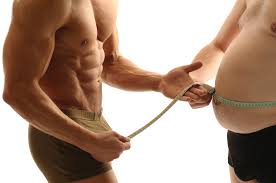
However, if you view nutrition in this way that I'll explain below, it solves every single confusion about nutrition that you could ever have.  I will warn you though, this is very BIG PICTURE thinking, and it helps explain a lot about the human body when you think about things this way.
Ok, the #1 MOST important aspect about nutrition involves the study of ARCHAEOLOGY (and anthropology)!
What the heck am I talking about?  Well, let's dig in...
Yes, everything about the human body that is either healthy or bad for us currently, all stems from hundreds of thousands, or even millions of years of evolution and how the human body adapted to everything around us, including food, exercise, our environment (city vs nature), and lots more.
We know from archaeological records that our current human species (homo sapiens) originated approximately 200,000 years ago... however, our close cousins (ancestors prior to homo sapiens), such as homo erectus, date as far back as several million years.
If you study evidence about what our ancestors ate, it gives obvious clues about how the human digestive system evolved and what are the healthiest foods for us to eat in today's world.
This obviously explains why relatively new chemicals and food types (that humans were NEVER meant to ingest) cause so many health problems, such as artificial sweeteners, HFCS and other corn derivatives, white bread and other refined grain products, refined oils such as soybean and unhealthy canola oils, and so on.
Now this discussion could get pretty involved and encompass an entire book, so let me give some important statements to best summarize this:
1.  Despite what you'll hear from extreme vegans, extreme raw foodists, and other believers in "extreme" types of diets that eliminate entire portions of the historical human diet, the human digestive system evolved to eat a mixture of plants and animal foods (yes, we evolved as omnivores), as well as a mixture of raw food AND cooked food.
I know, I know... You'll get heated debate about both of these topics...meat eating vs veganism, and raw foodism... however, it's historical FACT that our current species (and historical ancestors back over a million years ago) in almost every culture around the world, ate at least some % of plant-animal food combination and raw food / cooked food combination (even if it was at different times of the day, or even different times of the year).
Some cultures, such as the Inuit of the arctic and several tribes in Africa, thrived in stellar health on almost an entirely animal-based diet, and other cultures around the world thrived on almost an entirely plant-based diet... But all cultures generally had some mixture of plant and animal foods, even if the amount of animal food was small in some cultures, or the amount of plant food was small in other cultures.
Similarly, virtually every culture around the world has also historically consumed BOTH raw foods and cooked foods in differing amounts of each... but there's no real evidence of societies thriving on 100% raw food diets.
But what about the argument that raw foodists make claiming that all animals in nature eat 100% raw foods, but humans are the only species that eats cooked food...
Well, there's a simple explanation for that... humans were the ONLY species with a well developed enough brain to understand how to control fire and therefore cook our food... And since we've been cooking a portion of our foods for the entire existence of our species (200,000 years) as well as our ancestors back several million years, our digestive systems have adapted to eating a portion of our food cooked.
This also explains why acrylamides are more harmful to animals that eat cooked food compared to humans... since humans have adapted some level of tolerance to acrylamides from eating a partial cooked diet for 100's of thousands of years, but animals have never historically adapted to a cooked food diet, and therefore, are more sensitive to acrylamides.
If you've never heard of acrylamides, they are formed when the outside of foods are burned during cooking (such as the browning on breads or other baked goods, browning on deep fried foods, or the charring of vegetables cooked over a flame, etc) and these compounds are potentially carcinogenic to both humans and animals.  Cooking foods with water, and also using high antioxidant herbs and spices in cooking helps reduce acrylamides and protect you against them.
The bottom line... we were designed through evolution to eat a mixture of both plants and animals as well as cooked and raw foods... But let's clarify an important point in #2 below...

2. Although I say that we were meant through evolution to eat an omnivorous diet of both plants and animals, one thing that we were NEVER meant to eat is factory-farm raised animals, or eggs or milk from factory-farm raised animals.
Factory farming is an entirely new phenomenon that's still only decades old, so essentially, these types of meat products were never meant to be part of the human diet.
Chemically (nutritionally), factory-farm animal products are VASTLY different from animal products that were raised the way they were meant to live and eat. Examples of these differences can be seen glaringly in the nutrition profiles of grass-fed meats vs grain-fed factory farm meat, free range eggs vs factory eggs, wild fish vs farmed fish, and so on.
We're talking about major differences in omega-3's vs omega-6's, differences in vitamins and minerals, differences in other healthy fats such as CLA, and lots more.
So although I don't fully agree with veganism at least from a nutritional standpoint (moral arguments aside), I also don't agree with our current state of affairs of the majority of our food supply of factory farm raised animal products (at least here in the US, where the condition of the factory farm animals and nutritional quality of the food is horrendous).
That's why I try to not support the factory farm industry as much as possible (which is most meats and dairy in your supermarket) and instead, I try to eat almost solely grass-fed meats from free ranging animals, wild game, wild fish, eggs from local farmers from free roaming hens, and dairy only from grass-fed cows that are allowed to graze almost entirely on forage.

3.  Although I point out that many historical cultures around the world thrived on vastly different percentages of animal products vs plant products in their diet, here is another type of food that we were NEVER meant to eat:
PROCESSED FOOD
Yes, I know it hurts to hear it, but cakes, cookies, crackers, microwaved meals, chips, sodas, granola bars, sugary sports drinks or energy drinks, and 1000's of other products that line our supermarket shelves were never meant to be part of the human diet, so it's obvious why it causes so many health problems for us.
This gets back to what I always say about trying to include as many "1-ingredient" foods as you can in your diet if you want to eat like we were meant to eat.
"1-ingredient" foods means healthy meats, eggs, nuts, seeds, beans, tubers, fruits, and veggies.  It's really that simple.

4.  Ok, this one starts to get a little controversial... but, remember that agriculture is also a relatively new phenomenon in the big picture of the human diet when you expand far back in history a couple of million years.  And when I'm talking about agriculture, I'm mostly talking about the massive influx of grain-based foods into the human diet that occurred with the invention of agriculture.
The mass production of grains through agriculture is only a few thousand years old... Compare that to our ancestors historical existence as hunter-gatherers as far back as a couple of million years, and our current species (homo sapiens) 200,000-year history as hunter-gatherers.
If you think about it, as hunter-gatherers, we would have had very limited access to grains, and they would have encompassed a very small % of our historical calorie intake, since they weren't mass produced and processed. Instead, we thrived on mostly game meats (including the organ meats, where most of the micro-nutrients are found), wild fish and seafood, eggs, nuts, seeds, beans, tubers, fruits, and veggies.
From this perspective, grains probably never accounted for more than 1-3% of our historical calorie intake... and as you know from one of my recent articles, currently our modern processed diet that the average person eats consists of 67% of total calories from grains such as corn, soy, and wheat and their derivatives... now THAT'S a shocking revelation in why our entire food supply is backwards, and how that affects your waistline!
It also makes you think about how ridiculously wrong our "food pyramid" really is, which promotes the bulk of our food to be eaten from grains.
I could go on with more examples, but I think you're seeing the major points here... the most important aspect to eating a healthy diet that promotes a lean, healthy body is to acknowledge what our ancestors ate throughout the millions of years of evolution.
And that certainly wasn't processed "diet foods" with fancy label claims deceiving you into thinking they're healthy... instead, it was the 1-ingredient foods I listed above, eaten in a combination of raw food and cooked food.
A couple final thoughts on how to fit these suggestions into your healthy eating plan:
1.  Try to become a "locavore" as much as possible... if you can get local farm-fresh produce, that is the most environmentally and socially responsible, as well as healthy way to get your produce.  Research if you have farmers markets and farm stands that might be in your area, or deliver to your area.
2.  Try to choose organic foods as much as possible... but local food will many times trump organic food that had to travel thousands of miles to make it to you.
3. When choosing meat and eggs, try to choose grass-fed meats as much as possible, free range chicken, turkey, and pork raised in a humane manner, and eggs from hens that truly roam free outside instead of being confined to "chicken factories".  Many times, this means making the effort to seek out local farms or co-ops that deliver to urban areas.  This site is a great source of meats that were raised in the healthiest manner, and they deliver right to your doorstep:  http://healthygrassfed.2ya.com
Remember that eating healthy and responsibly doesn't mean eating bland boring food... there are tons of ways to eat in a healthy and socially/environmentally responsible manner, and we describe in depth how to do this in our Click Here Fat Burning Kitchen Program.
Please share this article to help your family and friends eat healthier and to help us all collectively choose our food from more responsible sources than factory farms.  Please email this webpage link to all of your friends and family and share this page on your blogs, forums, as well as Facebook and Twitter pages.

Saturday, 16 May 2015

The Secret of the Properly Balanced Post-Workout Meal for Fat Loss & Muscle Building

by Mike Geary, Certified Nutrition Specialist, Certified Personal Trainer
Image result for post workout recovery drinkI'm sure you've heard before that your post-workout meal is actually your most important meal of the day (aside from breakfast).
I'd have to agree with that for the most part because refueling your body with the right combination of nutrients is SOOOOO vastly important to repairing your muscles from the breakdown of a workout, and keeping your metabolism sky high.
From the research about post-workout meals:
"A recent 12-week study says that those who failed to consume a post workout meal immediately after their workouts suffered a lower metabolism, loss of fat free mass, and had clear indications of muscle loss - while their counterparts (those who consumed a post workout recovery meal) significantly lost more fat, increased lean muscle, improved their metabolism, and increased dynamic strength."
I've noticed that many people are confused as to what actually makes a good post-workout meal. A couple common questions about post workout meals:
1. Aren't post-workout meals just important for building muscle? Do they matter at all if my goal is fat loss?
2. Is it best to use one of the fancy post-workout drinks or shakes that you see in the magazines or is a whole food meal better? What's the best combination of carbs to protein to fat in a good post workout meal?
3. How quickly after a workout is best to consume my post workout meal?

Answers:

1. Post-workout meals are important for BOTH muscle building and fat loss!
Always remember that one of the most important aspects of long term fat loss and maintaining a lean body for life is raising your overall metabolic rate by building and maintaining adequate lean muscle mass throughout your body.
By consuming a proper post workout meal after every workout, you assist your body in repairing and building lean muscle throughout your body. The more lean muscle you have, the higher your metabolic rate... hence, you lose fat easier, and it is MUCH easier to stay lean long term.
2. Whole foods or supplement shakes? This can be done either way, but I'm going to show you some guidelines why some post-workout shakes are better than others and some whole foods are better than others. Either way, you can make it work.
First, keep in mind that your goal throughout the majority of each day is eating small whole food meals frequently that digest slowly with high fiber and a controlled glycemic response (blood sugar). These normal daily meals should also contain healthy fats and slowly digested proteins to keep a steady supply of amino acids.
Well, when it comes to post-workout meals, you can almost use the exact opposite strategy of your normal meals. With post-workout meals, you actually want a faster digesting carbohydrate source to elicit an insulin response, which surges nutrients and glycogen back into your muscles for repair.
So while I always preach high fiber for most of your meals, with post-workout, you actually want low fiber, high GI carbs, and quickly digesting proteins as well for muscle repair.
Another aspect to keep in mind... while I always preach healthy fats at most of your meals... with the post workout meal, you actually want almost all carbs and protein, and very little fat if any. Fat just slows the absorption and glycemic response which is not what you want with the post-workout meal.
What about ratios of carbs and protein?
I've reviewed dozens and dozens of studies on this subject and it always seems to come back to a ratio of approximately 2 to 1 carbs to protein (up to possibly 4:1 ratio of carbs to protein). This seems to be the optimal combination to maximize muscle repair to boost that metabolism for long term fat loss.
I usually make my post-workout shakes using a frozen banana, whey protein, water, and some real maple syrup and aim for about a 2:1 ratio of carbs to protein.
If you want to make things simpler, one of the best post-workout shakes that I've found is Prograde's Varsity Post-Workout mix. Check it out at:
http://getprograde.com/workout
3. How quickly should you eat (or drink) your post-workout meal?
As soon as you can after your workout (the sooner the better)!
Studies show that the sooner you consume your post workout meal following your intense workout, the better your muscle recovery will be, and a higher percentage of the carbs ingested will be used for muscle glycogen replenishment instead of other uses.
The first thing I do when I get back from the gym is make my post workout shake, and this is about 10 min after finishing my workout.
Make sure to check out some of the other research about post-workout recovery meals at:
http://getprograde.com/workout
Alright, I'll be back soon with more Lean-Body Secrets. Til then...
Don't be lazy... Be lean!
Mike Geary
Certified Nutrition Specialist
Certified Personal Trainer
Founder - TruthAboutAbs.com

Wednesday, 29 April 2015

A Weird Way to "Sneak" More Nutrition into Dinner

by Mike Geary, Certified Nutrition Specialist, Certified Personal Trainer
co-author - The Fat Burning Kitchen program

nutrition-rich kaleI just started doing this recently, and it's been a great way to "sneak" more nutrition into certain types of dinners. This can also help you get leaner, because higher nutrient density in your meals means lower appetite and controlled cravings for you later.
Here's what I've been trying out...
As you've probably heard a dozen times before, specific greens such as kale, mustard greens, bok choy, swiss chard, etc are the absolute most nutrient dense vegetables on earth.
However, even though I've always known what superstars these are in the nutrition world, I never really thought of ways to use them in cooking meals. Sure, I always get plenty of lettuce and spinach in salads, but the greens like kale, bok choy, mustard greens, and swiss chard are WAY more nutrient-dense than lettuce and spinach.
So I finally figured out how to sneak these into my meals (and this works even if you don't like the taste of those greens separately)...
There are probably other recipes you can use this for, but I've used it for soups and italian tomato sauces so far, and it works great.
What I do is take a good amount of bok choy, kale, mustard greens, and/or swiss chard and throw them whole (not chopped up) into my tomato sauce or my large batch of soup broth.  I'll also throw some large chunks of onion and maybe a zucchini into the simmering pot also.
Then, after they've simmered for a while and have softened up, I'll take out the whole portions of the greens and the onion/zucchini and throw everything into a big blender.  Then I blend the greens smooth with the onion and pour the mixture back into the simmering tomato sauce or soup.  Of course, my tomato sauce meals usually involve some grass-fed bison sausage, but that's just one of my personal favorites for an actual healthy meat.
I'm not a huge fan of the taste of these types of greens separately (kale, bok choy, mustard greens, etc)... however, pureed and blended into the sauce or soup actually makes a pretty delicious mixture and also adds TONS of nutrient density to your meals to satisfy your appetite and help you get leaner.
Another benefit is that since the greens are pureed in the blender after being softened, you actually absorb more vitamins and minerals, as the pureed greens are easier for your body to fully digest compared to just chewing them normally.
And this idea is a home run if you have kids... as this is truly a way for you to "sneak" more greens into your kids meals without them even knowing you added them to the soup or sauce (as long as you did a good job with seasonings and recipe).
I hope you enjoyed this little tip today to help you and your family eat healthier and get leaner this year!

Feel free to email this link on to friends and family that might enjoy it or share it on facebook.

Sunday, 19 April 2015

Is Your Microwave Cooking Making You Sick?

A look at how microwaved food can negatively affect your health
by Catherine Ebeling - RN, BSN & Mike Geary - Certified Nutrition Specialist
co-authors - The Fat Burning Kitchen


microwaved food is evilDo you know what (besides a television) is in almost every home in America? It’s a microwave oven. Because microwave ovens are quick and easy and don't take up much space, they are used for meal preparation in the home, at the office, and even restaurants. Even your favorite healthy restaurant may depend on these electrical devices to quickly heat up or cook foods. So, the question here is —
Are microwave ovens safe, and is it ok to eat the food cooked in them?
Before we look at the science of how microwaved food can affect your blood chemistry and negatively affect your health, let's look at a bigger picture, common-sense thought process about this...
If you think about it from this perspective, the human digestive system evolved over hundreds of thousands of years to digest food that was either raw or cooked in water or by heat.  However, food cooked via microwaves is a totally alien and unknown cooking method to the human digestive system.
It's just common sense that such a radically different cooking method will alter the chemistry of the food to negatively impact our health.
Now onto a little more science...
Let’s take a look at how microwaves ovens work
Microwaves are a part of the whole electromagnetic spectrum of energy that includes light waves and radio waves. They travel at the speed of light--which is about 186,282 miles per second. So how does that oven heat up the food so fast?
Inside the microwave oven, there is a “magnetron” which is a tube full of electrons. The electrons in the microwave oven react with magnetic and electronic energy and become micro wavelengths. This is the radiation that interacts with the molecules in food.
Food molecules have a positive and negative end, kind of like the way a magnet has a north and a south polarity. The electrons from the magnetron produce wavelengths that react with the positive and negative parts of the food molecules. The food molecules then start vibrating, up to several million times a second. This molecular “vibration” is what creates the heat in the food.
This agitiation deforms the molecules in food and creates new unnatural radiolytic compounds previously unknown to nature. These strange foreign compounds in microwaved food have been shown to damage the blood, the digestive system, and our immune systems.
Microwave ovens have been actually been around for about 40 or so years, but so far, only a couple of in-depth scientific studies have been done on them.
Research showing negative health impacts of eating microwaved food
Extensive research, though, was conducted in both Switzerland and Russia on microwaved foods and their effects on the human body. Both studies concluded that microwaving foods significantly deteriorated the nutrient value of the food, distorted protein molecules in the food, and created new, radically unnatural compounds. Most alarming, however, was that the subjects' health deteriorated from eating the microwaved foods.
Their findings included:
  • Blood hemoglobin (the extremely important oxygen-carrying component of the blood) decreased significantly after eating microwaved foods. 
  • White blood cell count rose, (as it does in response to an infection).
  • LDL cholesterol (the bad cholesterol) increased, and HDL cholesterol (the good cholesterol) decreased.
  • Carcinogenic (cancer-causing) agents in foods increased.
  • Higher incidence of digestive system cancers.
The Russian scientists found the microwave oven significantly scary enough to actually ban its use--up until recently.
When food is cooked in a microwave oven, it has:
  • Significantly less B vitamins, vitamin C, vitamin E, essential minerals and fats.
  • Broken down and de-natured proteins.
  • Loss of vital enzymes and phytochemicals.
And here is a really interesting study—done on grain germination:
The grain watered with microwaved (and cooled) water would not not even germinate or grow! It’s pretty obvious that microwaving changed the water chemically and destroyed its ability to nourish a plant.
Ok, so maybe it’s ok to just heat leftovers in the microwave oven once in a while?
NO! Actually, food heated in a microwave is heated unevenly creating super-heated spots and cool spots. Those cool spots may actually harbor bacterial growth such as salmonella, and you end up with food poisoning.
In addition, when you use plastic containers or plastic wrap in contact with your food, you end up getting all sorts of nasty chemicals like di(ethylhexyl)adepate, or DEHA, (a carcinogen), Bisphenol-A or BPA (a cancer-causing agent in plastics) and xenoestrogens (synthetic estrogens) in your food!
In one recent study, it was found that carcinogenic ingredients in plastic wrap were 10,000 times the FDA limit for safety!
Exposure to BPA, used in the manufacture of polycarbonate and other plastics, has been shown to cause reproductive problems and erectile dysfunction, and has been linked with cardiovascular disease and diabetes in humans.
Xenoestrogens are really nasty synthetic estrogens that seem to show up everywhere. In men, xenoestrogens can cause low sperm counts and feminization (like the dreaded “man boobs”) and breast cancer and reproductive problems in women. Xenoestrogens promote weight gain around the belly and chest in men, and in women, it shows up as fat in the butt, hips, thighs and the back of arms.
So, in addition to being really unhealthy, microwaved foods can make you fat!
Parents should never warm breast milk or formula in the microwave oven—not only can it superheat the milk and burn the baby, but microwaving destroys the very valuable nutrients, enzymes and protein vital to babies' growth!
And here is something really scary: in 1991, a patient received blood that had been warmed in a microwave oven. That patient died of a severe anaphylactic reaction to the blood. The microwaving created something totally unrecognizable by the body!
If you want to be safe, healthy and LEAN, avoid your microwave—totally.  Personally, I threw out my microwave about 6 years ago and haven't even missed it!
There are far healthier and better alternatives:
  • Eat vegetables and fruit raw preferably, or if cooked, sauté lightly (with a little water and some grass-fed butter) or steam until tender crisp in a pan on the stove.
  • Heat water for tea, etc in a pan or tea-kettle instead of the microwave—or, better yet-- is to get a steaming hot water tap—I love these things!
  • Plan ahead and defrost frozen foods in the refrigerator.
  • Heat up ALL leftovers over low heat in a pan or in a toaster oven in aluminum foil (it still only takes 4-5 minutes to heat leftovers)
  • If you must use a microwave (and I don’t know why you would!), use only glass containers instead of plastic.
Or you may want to try this-- small countertop convection ovens are great for cooking foods faster and more evenly than a regular oven or on the stove.
You can actually cook a frozen 15-oz. grass-fed ribeye in 20 minutes, and it is delicious; browned, tender and juicy. These little convection ovens will broil, bake, fry, roast, grill or steam your favorite foods, including meat, chicken, and vegetable. It takes 20-30% less time than a regular oven, and uses about 75% less energy.
This is a far healthier option than a cancer-causing, nutrient-robbing, microwave oven!

Please feel free to email the link to this page to your friends and family so they can make the smart decision to throw out their microwaves and protect their family's health!

If you liked this article, please Share it below for Facebook, google+, or twitter:


To your good health,
fat burning kitchen Catherine Ebeling & Mike Geary
Co-authors - The Fat Burning Kitchen:  Your 24-Hour Diet Transformation to Make Your Body a Fat-Burning Machine


Sunday, 12 April 2015

The Top 3 Foods to AVOID at Restaurants (they can make you fat and kill you)

These ingredients not only make you fat, but can be deadly when eaten too often
by Mike Geary, Certified Nutrition Specialist, Certified Personal Trainer
Author of the best-sellers: 
The Top 101-Foods that FIGHT Aging & The Fat Burning Kitchen


I've been traveling a lot for business in the last year, and I've noticed that most people totally fall off their fitness routines while traveling...
In fact, eating out at restaurants frequently is one of the biggest reasons why so many people fatten up while traveling.  It's almost damn near impossible to eat healthy when you dine out, UNLESS you follow a couple simple tricks that I use to make every restaurant meal healthier, reduce calories, and not lose control.
Here's a few tricks you can use to eat healthier and stay lean even while traveling on business or eating out any time for that matter...
The 3 most important things to avoid that are EVERYWHERE at restaurants are:
  • the deep fried foods
  • the refined starchy foods
  • and any sodas, juices, or other sugary foods (except whole fruits, which are great)
This eliminates the major food sources that do the worst damage in our food supply - the evil trans fats, the inflammatory refined vegetable oils, refined starches, and processed sugars.
This means trying to skip the table bread, skipping the french fries (that come with every single sandwich on every menu known to man), and reducing or eliminating all of the heaping portions of rice and pasta that are often loaded on the plates as well.
How to do it healthier, but still satisfying...
Instead, try to order just meat, side vegetables, and a salad, asking for the vegetables or salad as a substitute for the typical fries, rice, or pasta that the meal probably comes with.
Almost every restaurant I've ever been to will always allow me to substitute veggies or a side salad for the fries or chips that almost always come with sandwiches or burgers.
Side note:  It always amazes me how many people scrutinize me because I substitute veggies for fries by telling me that I'm "not living" because I won't eat fries...
Yet they are always the first to complain that they are overweight and have "tried everything", yet can't lose weight.  I'm not sure why so many people think eating french fries equals "living it up"... I'm all for moderation with many things, but if there's 2 things that should be almost totally removed from everyone's diet because these foods are simply that evil... it's fries and sodas!
​Example Substitutions:
Take a look at the typical difference this simple substitution makes between choosing smart and doing what most people do...
Most people will eat a meal out such as this:
  • Sandwich or burger -- the bread is usually the unhealthiest part of this
  • fries or chips -- source of deadly trans fats
  • soda or other sweetened drink -- mostly deadly high fructose corn syrup
A MUCH smarter alternative for a leaner, healthier body is very simply this:
  • A steak, chicken breast, or fish piece (this avoids the refined wheat of a sandwich)
  • veggies or salad (much better choice than fries or chips)
  • unsweetened iced tea or water with lemon (and no diet drinks -- unless you enjoy drinking carcinogenic poisonous artificial sweetener chemicals).
These 2 simple substitutions save at least 400 - 900 calories EACH time you dine out (depending on drink refills and fries portion sizes)... AND you're cutting out the most harmful foods to your body as well by avoiding the trannies and high fructose corn syrup.
Also, it may be rare to find this in most restaurants, but if you can find some that offer much healthier grass-fed beef burgers, it's a much smarter decision compared to grain fattened beef.
Side note:  a little-known way to eat full portions of rice or potatoes and actually get away with it without packing on the body fat is to make sure to schedule a high intensity full body resistance training workout before your scheduled meal time.
Sometimes it may be hard to fit the workout into your schedule right before the meal event, but if you can, the meal can be your "post-workout meal", in which case, your body can handle a higher amount of carbs than normal to help replenish the muscle glycogen depletion you had during the intense workout.
A cardio workout WON'T cut it for this... it must be high intensity resistance training to deplete enough muscle glycogen to handle restaurant portions of carbohydrates.
I hope these dining tips help you choose smarter and healthier next time you eat out.
Here's what you should do next...
Another side effect of these weight gaining foods is that not only are they terrible for your health, but they also make you age FASTER - not only causing a quicker breakdown of your skin, but also making your joints to become creaky and fragile, your blood pressure to skyrocket, your "bad" cholesterol goes through the roof, and your brain health breaks down.
The good news is there are plenty of ways to counter-act the negative effects these foods have on your body, in addition to simple swaps that are not only healthier for you, but also taste delicious!
We'll show you how to find plenty of delicious foods, spices, herbs, and nutrients that 
PROTECT your body from aging on the next page!
You will also discover over a dozen surprising tricks you can use daily to FIGHT aging, helping you to look 5-10 years YOUNGER... click the button below to go to the next page to discover unique and delicious anti-aging foods, spices, herbs, teas, and other potent youth-enhancing nutrients: