Lose Belly fat For Life

Welcome to my blog where you can learn how to lose that stubborn belly fat and get your six pack Abs on show.

An Educational Resource

Learn what foods will help you lose belly fat and foods that won't.

Exercise Right!

Learn what exercises will help you get those stubborn abs defined, and get the body you have always wanted.

Eat Right!

Learn what foods will help you get the healthy body you have always wanted.

Get Started Today!

Claim your FREE e-book & follow these simple tips and live the healthier lifestyle you deserve.

5 Tips

Thursday, 19 February 2015

The Most Potent Super-Spice Antioxidant in Your Cabinets

We're talking about the super-spice Turmeric -- a powerful antioxidant with surprising health benefits 
by Catherine Ebeling - RN, BSN & Mike Geary, Certified Nutrition Specialistco-authors of the brand new Fat-Burning Kitchen program

You may have already known from my past newsletters that cinnamon is one of the most 
powerful antioxidants that you may have been overlooking in this world where acai, goji berries, blueberries, and red wine are the only antioxidant sources that get major press.
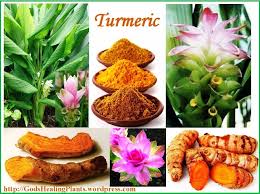
However, have you ever eaten curry? That yellow color in curry is attributed to a spice called Turmeric, and it is one of the most powerful antioxidants you can consume with amazing health benefits.
Turmeric has been used in India for thousands of years as a dye, as a spice for dishes, and also in traditional Indian Ayurvedic medicine. Turmeric has some of the world’s most powerful fat-burning and healing qualities of any food or spice. It is a potent anti-oxidant, anti-inflammatory, and anti-bacterial substance.
What is turmeric?
Turmeric grows as a shrub in India and tropical parts of Asia. The roots are ground up to make turmeric. Its active ingredient is a substance called curcumin and it is bright yellow. This bright yellow spice has medicinal properties as well as adding its pungent color and taste to many delicious dishes.
Ayurvedic medicine has used this spice as a whole body cleanser, an aid for digestion, and in treatments for fevers, infections, liver and gall bladder problems and arthritis. It may even help to burn fat, and is also very effective as a preventative for heart disease, and Alzheimer’s.
The rich stores of antioxidants are very effective against the free radicals which contribute to premature aging, disease and cancer. Many natural practitioners actually recommend turmeric when a potent antioxidant is needed.
A digestion aid and fat-burning compound
Turmeric helps to digest fats by stimulating the flow of bile in the gall bladder and therefore is very effective as a digestive aid and fat-burning compound. Studies also show it is highly effective at reducing the inflammation from Irritable Bowel Syndrome, ulcerative colitis, and Crohn’s disease.
For the heart, it contains strong anti-platelet substances which help prevent the blood from clotting too easily, and so is very effective against heart attacks and strokes. In addition, homocysteine, a chemical component in the body, which is one of the primary predictors of heart attacks, is significantly lowered in the presence of curcumin.
The curcumin in turmeric also has been shown to lower and reduce the oxidation of plaque on the artery walls.
As an anti-inflammatory it has been used effectively for a treatment for all types of osteoarthritis, rheumatoid arthritis, and for joint pain.
Turmeric and cancer-risk reduction
Turmeric is a powerful weapon against cancer cells as well. Studies show that this super spice can actually prevent cancer tumors from growing and in those who already have cancer, turmeric slows the growth and spread of cancer. In a research study done with mice injected with cancer cells, the curcumin in turmeric was proven to be more than twice as effective as the cancer drug paclitaxel (Taxol).
The curcumin in turmeric is also highly effective when combined with the anti-oxidant quercetin (found in red onions, apples and cherries) against pre-cancerous polyps in the colon. Studies show that polyps were reduced by 60% and the average size of existing polyps were reduced by 50%.
Turmeric and Alzheimer's disease
One of the most exciting new studies has shown turmeric’s value against Alzheimer’s. Studies of the Indian population who have a high intake of turmeric in their curry dishes show a very low incidence of Alzheimer’s and dementia in the elderly.
Alzheimer’s victims have a buildup of a certain type of plaque in the brain and turmeric is highly effective at breaking down this plaque and protecting brain health.
Ways to get turmeric into your diet:
One way to get high concentrations of curcumin is to use the spice turmeric in some of your cooking and recipes.
Curry contains turmeric, but is usually a combination of several spices and you may not get as much turmeric as you would using pure turmeric.  That's not to say there aren't benefits to curry too, since it is a blend of several spices. 
Try to get creative and test using turmeric and/or curry on various foods so you can benefit as much as possible from this potent super-spice...
Turmeric is very yellow and can stain so be careful when using it. This spice doesn’t have to be used just for curries. It is delicious on sautéed apples, or steamed cauliflower, green beans and onions, or any of your favorite veggies.
Try it with raw cruciferous vegetables like cauliflower or broccoli, or with celery, sweet pepper, jicama or radishes. Turmeric is also a great spice to complement recipes that feature lentils. Give salad dressings an orange-yellow hue and a little extra flavor by adding some turmeric powder to them.
Once you start using turmeric on a regular basis, it's fun to find new ways to use it in healthy recipes. My favorite way to use it is to add a healthy dose of it to egg salad. It adds a great flavor, and gives the egg salad a delicious rich yellow hue.
The best way to get turmeric daily and maximize your benefits
Let's face it... we know that spices like cinnamon and turmeric have incredible health benefits, but it's hard to remember to use them more than once or twice a week in recipes or on your typical foods.
So what I've found is the best way to make sure you get ample turmeric on a daily basis is to get turmeric capsules.
Turmeric can be purchased in capsules from a health food store, or you can make your own if you want to buy empty capsules and fill your own. The best turmeric is available in bulk in health food stores and is usually fresher and more pungent.
It is important to check with your physician if you are pregnant or nursing; it can be a uterine stimulant. If you have gallstones or bile obstructions or congestive heart failure, it is best to avoid using. And check with your doctor if you are on prescription drugs, as the drugs may interact with the turmeric.

If you don't already have a copy of our popular Fat Burning Kitchen program -- go to this page below now and see how you can use a specific 
diet "trick" to eliminate your cravings for junk food & automatically control your appetite

Monday, 9 February 2015

Are Whole Eggs or Egg Whites Better for You?

by Mike Geary, Certified Nutrition Specialist, Certified Personal Trainer
Author of best-sellers: The Fat Burning Kitchen & The Top 101 Foods that FIGHT Aging


whole eggs are a perfect foodI was on a weekend trip with some friends recently and one of my friends was cooking breakfast for the whole group. I went over to see what he was cooking and saw he was getting ready to make a big batch of eggs.
Well, to my shock and horror, I noticed that he was cracking the eggs open and screening the egg whites into a bowl and throwing out the egg yolks. I asked him why the heck he was throwing out the egg yolks, and he replied something like this...
"because I thought the egg yolks were terrible for you...that's where all the nasty fat and cholesterol is".
And I replied something along the lines of... "you mean that's where all of the nutrition is!"
This is a perfect example of how confused most people are about nutrition. In a world full of misinformation about nutrition, somehow most people now mistakenly think that the egg yolk is the worst part of the egg, when in fact, the YOLK IS THE HEALTHIEST PART OF THE EGG!  It's a shame at how many restaurants you can walk into these days and see that the "healthy" breakfast menu always has egg white items instead of whole eggs.  Are we really still in the "fat-phobic" 80's? 
By throwing out the yolk and only eating egg whites, you're essentially throwing out the most nutrient dense, antioxidant-rich, vitamin and mineral loaded portion of the egg. The yolks contain so many B-vitamins, trace minerals, vitamin A, folate, choline, lutein, and other powerful nutrients... it's not even worth trying to list them all.

In fact, the egg whites are almost devoid of nutrition compared to the yolks.
Even the protein in egg whites isn't as powerful without the yolks to balance out the amino acid profile and make the protein more bio-available. Not to even mention that the egg yolks from free range chickens are loaded with healthy omega-3 fatty acids.
Yolks contain more than 90% of the calcium, iron, phosphorus, zinc, thiamin, B6, folate, and B12, and panthothenic acid of the egg. In addition, the yolks contain ALL of the fat soluble vitamins A, D, E, and K in the egg, as well as ALL of the essential fatty acids (EFAs).
And now the common objection I get all the time when I say that the yolks are the most nutritious part of the egg...
"But I heard that whole eggs will skyrocket my cholesterol through the roof"
No, this is FALSE!
First of all, when you eat a food that contains a high amount of dietary cholesterol such as eggs, your body down-regulates it's internal production of cholesterol to balance things out.
On the other hand, if you don't eat enough cholesterol, your body simply produces more since cholesterol has dozens of important vital functions in the body.
healthy whole eggsAnd here's where it gets even more interesting...
There have been plenty of studies lately that indicate that eating whole eggs actually raises your good HDL cholesterol to a higher degree than LDL cholesterol, thereby improving your overall cholesterol ratio and blood chemistry.
And 3rd... high cholesterol is NOT a disease!  Heart disease is a disease...but high cholesterol is NOT.  Cholesterol is actually a VERY important substance in your body and has vitally important functions... it is DEAD WRONG to try to "lower your cholesterol" just because of pharmaceutical companies propaganda that everyone on the planet should be on statin drugs.
If you're interested in this topic of cholesterol specifically, I have another article listed at the bottom of this page about why trying to attack cholesterol is a mistake, and what the REAL deadly risk factors actually are.
In addition, the yolks contain the antioxidant lutein as well as other antioxidants which can help protect you from inflammation within your body (the REAL culprit in heart disease, not dietary cholesterol!), giving yet another reason why the yolks are actually GOOD for you, and not detrimental.
To help bring even more proof that whole eggs are better for you than egg whites, I recently read a University of Connecticut study that showed that a group of men in the study that ate 3 eggs per day for 12 weeks while on a reduced carb, higher fat diet increased their HDL good cholesterol by 20%, while their LDL bad cholesterol stayed the same during the study.  However, the group that ate egg substitutes (egg whites) saw no change in either and did not see the improvement in good cholesterol (remember that higher HDL levels are associated with lower risk of heart disease) that the whole egg eaters did.
So I hope we've established that whole eggs are not some evil food that will wreck your body... instead whole eggs are FAR superior to egg whites.
But what about the extra calories in the yolks?
This is actually a non-issue and here's why... even though egg yolks contain more calories than just eating the egg whites, the yolks have such a high micro-nutrient density in those calories, that it increases your overall nutrient density per calorie you consume.  Essentially, what this does is help to regulate your appetite for the remainder of the day, so you end up eating less calories overall.  In addition, the healthy fats in the egg yolks help to maintain a good level of fat-burning hormones in your body.
Overall, this means that the extra fats (healthy fats) and calories from the yolk are so nutrient-dense that they actually HELP you to burn off body fat!
Also, your normal supermarket eggs coming from mass factory farming just don't compare nutritionally with organic free range eggs from healthy chickens that are allowed to roam freely and eat a more natural diet.  Your typical cheap grocery store eggs will have lower nutrient levels and a higher omega-6 level and lower omega-3 level.  On the other hand, the cage-free organic eggs from healthier chickens allowed to eat more natural feed and roam freely will have much higher vitamin and mineral levels and a more balanced healthier omega-3 to omega-6 fatty acid ratio.
I recently compared eggs I bought at the grocery store with a batch of eggs I got at a farm stand where the chickens were free roaming and healthy.
Most people don't realize that there's a major difference because they've never bought real eggs from healthy chickens... The eggs from the grocery store had pale yellow yolks and thin weak shells. On the other hand, the healthier free range eggs from the local farm had strong thick shells and deep orange colored yolks indicating much higher nutrition levels and carotenoids... and just a healthier egg in general.
This is due to the fact that a free-roaming hen allowed to roam on plenty of land will eat a variety of greens, insects, worms, etc transferring MUCH higher levels of nutrients to the eggs compared to an unhealthy hen that is trapped inside a dark factory farm hen house in horrible conditions and fed nothing but piles of corn and soy.  It's a DRASTIC difference in the nutrition that you get from the egg.
So next time a health or fitness professional tells you that egg whites are superior (because of their "fat-phobic" mentality towards dietary fats), you can quietly ignore their advice knowing that you now understand the REAL deal about egg yolks.
And can we all please STOP with this sillyness about eating an omelete with 4-5 egg whites and only 1 egg yolk... If you want real taste and real health benefits, we'd all be better off eating ALL of our eggs with the delicious nutrient-dense yolks.
After all, do you REALLY think that our ancestors thousands of years ago threw out the yolks and only ate the egg whites?  NOT A CHANCE!  They intuitively knew that all of the nutrition was found in the yolks.  But our modern society has been brainwashed with misinformation about fats and cholesterol.
Another interesting study about eggs...
I read a study recently that compared groups of people that ate egg breakfasts vs groups of people that ate cereal or bagel-based breakfasts.  The results of the study showed that the egg eaters lost or maintained a healthier bodyweight, while the cereal/bagel eaters gained weight. 
It was hypothesized that the egg eaters actually ate less calories during the remainder of the day because their appetite was more satisfied compared to the cereal/bagel eaters who would have been more prone to wild blood sugar swings and food cravings.
Oh, one last thing I almost forgot... I personally eat 4 whole eggs almost every day with breakfast, and I maintain single-digit bodyfat most of the year. 
Enjoy your eggs and get a leaner body!

Health Alert:

 These 23 "health foods" CAUSE weight gain
(avoid them!)


Thursday, 5 February 2015

Do THIS every morning with coconut oil (unusual detox trick)

Let’s face it, we are exposed to an alarming amount of toxins on a daily basis. From the BPA that lines your canned goods to the pesticides liberally sprayed on anything alive these days, our bodies are constantly absorbing an outrageous amount of chemicals.

Even though you may try to live as pure a life as possible, sneaky sources of dangerous metals are everywhere, even in the so-called “all natural” products that fool consumers into believing these ingredients are safe. Over time, high concentrations of metals build up in our systems and can lead to a wide variety of conditions, including, but not limited to:

•    Anemia
•    Dizziness
•    Fatigue
•    Dry skin
•    Joint or muscle aches
•    Loss of appetite
•    blood pressure issues
•    Nausea
•    Vitamin and mineral deficiencies


Try as you may, there’s just no getting around the obscene amounts of
toxins we are exposed to daily.

One unique little daily method to help your body detoxify is really
starting to get exposure everywhere lately... You can see the EXACT
simple steps to perform this daily detox ritual below:

>> Do this EVERY morning with coconut oil (unusual daily detox trick)

Sunday, 25 January 2015

A Method to Reduce PMS Physical & Emotional Symptoms

I recently saw a study that showed a proven method of significantly reducing the physical and emotional symptoms associated with Premenstrual Syndrome (PMS).
A double-blind, randomized clinical trial reported in the Journal of Alternative Medicine Review compared the effects of standard omega-3 fish oil vs. Neptune Krill Oil on the symptoms of PMS.
The study evaluated many variables of PMS in the study participants such as:
1. feeling suddenly sad, tearful, irritable, or angry
2. persistent and marked irritability or anger
3. marked anxiety, tension, or feelings of being "keyed up", or "on edge"
4. decreased interest in usual activities, e.g., work, friends, hobbies, etc.
5. getting easily fatigued or marked lack of energy
6. subjective sense of difficulty concentrating
7. marked change in appetite, overeating, or specific food cravings
8. hypersomnia or insomnia
9. other physical symptoms, such as breast tenderness or swelling, headaches, joint or muscle pain, sensation of bloating, or weight gain.
The outcome of the study concluded that Neptune Krill Oil can significantly reduce both the emotional and physical symptoms related to PMS, and is significantly more effective for management of dysmenorrhea and emotional PMS symptoms compared to standard omega-3 fish oil.
It was found that Neptune Krill Oil has a unique biomolecular profile of phospholipids, omega-3 fatty acids, and diverse antioxidants that surpasses the usual fish oil profile.
So the bottom line is that if you want to feel better and reduce your PMS symptoms, a useful solution may be to try taking Neptune Krill Oil instead of standard fish oil found at stores.
The highest quality Neptune Krill Oil I've found is only available online (the EFA Icon) at...
Prograde Neptune Krill Oil
In addition to those benefits, studies have shown that Neptune Krill Oil has over 47 times the antioxidant power of fish oil! And genuine Neptune Krill Oil also contains over 300 times the antioxidant power of Vitamin A & E!
*Warning: If you are allergic to shellfish, have a blood coagulation disorder, or are taking anticoagulants such as Warfarin (Coumadin), consult a health care professional prior to use.
You can get your own Prograde Neptune Krill Oil here
If you liked todays article, feel free to email this link on to any of your friends, family, or co-workers that would enjoy it.

I'll be back soon with more Lean-Body Secrets. Til then,
Don't be lazy... be lean.

Mike Geary
Certified Nutrition Specialist
Certified Personal Trainer
Founder - TruthAboutAbs.com 

Saturday, 20 December 2014

How REAL butter can make you leaner

If you've read my book or my newsletters for some time, you know I'm a big fan of REAL butter... and NOT margarine.

In fact, I would NEVER, EVER even think about touching margarine with a ten foot pole... and even these new fancy so-called "cholesterol lowering" margarines still contain some trans fats and inflammatory refined oils.  I would NEVER touch those either.

I can't tell you how many times I've been at certain restaurants and been horrified to find that they don't even have real butter.... instead, they have nothing but artery-clogging trans fat laden margarine!  Yuck. No thanks.

I've also been shocked to find that some people (a LOT of people) are still confused about the whole butter and margarine thing.  In case you're still confused, let's clear this up now... the debate has actually been over for YEARS now, and I'll make it real simple:

Butter is healthy (if you choose the right type) ... Margarine is deadly!  Simple as that.

I know that's a bold claim to say that butter is healthy...but it's true, as long as you choose organic grass-fed (pastured) butter, and NOT butter that came from confinement feedlots (CAFOs) from cows fed corn.

In fact, butter is one of the best natural sources of the healthy fat conjugated linoleic acid (CLA) that actually helps you to build muscle and lose fat.  Butter is also a good source of the healthy fats, MCTs, and also omega-3's in grass-fed butter too.

But it doesn't stop there... this article below shows not only how butter can help you get leaner, but is also one of the best sources of a few very unique vitamins that are hard to get elsewhere, can improve your cardiovascular function, and even lower diabetes risk.

Click here....How butter can make you leaner and improve your health

That article is a must read!  It's refreshing to see a health author that actually "gets it" when it comes to this stuff.  I'm sick of reading meal plans from bodybuilders and nutritionists that say to avoid butter and make sure to have plain boring steamed vegetables instead.

No way!  I'll take my grass-fed butter on my vegetables and I'll love it.  And by the way, yes you CAN get single digit bodyfat lean and still use butter on your foods if you want.  I do it every day.

Some people have told me that they have a hard time finding grass-fed butter in their grocery store.  My favorite that I've found is called Kerrygold Irish butter, and although the label doesn't clearly state "grass-fed", this butter is 100% pasture-raised from cows that eat lush green grass in Ireland.  You can tell from the deep color of this butter, that it has higher levels of carotenoids than standard butter.

Please fwd this email on to your friends and family to help them live healthier!

Mike Geary
Certified Nutrition Specialist
Certified Personal Trainer
TruthAboutAbs.com

Saturday, 6 December 2014

4 Examples of When Veggies are NOT Always Good For You


When it comes to veggies, more is NOT always better, and the TYPE matters for each person
by Mike Geary, Certified Nutrition Specialist
Author of best-sellers: The Fat Burning Kitchen
& The Top 101 Foods that FIGHT Aging


There are a lot of things that health gurus disagree about... low-carb, high-carb, high fat, protein, meat eating, vegan diets, etc... but if there's one thing that almost every type of diet or every health professional agrees on, it's that vegetables are great for you.

Whether someone follows Paleo or Vegetarian or Atkins, almost everybody agrees that veggies are good for you.

However, it's NOT that simple, and there are definitely cases when you can eat TOO many vegetables and also certain TYPES of vegetables that are bad for certain types of conditions.

This won't be a fully comprehensive list, but let me show you a few examples...


Example #1 when veggies are NOT always great:

Some people that have a damaged digestive system, leaky gut, IBS, or other digestive issues may actually do more harm by eating TOO much insoluble fiber that's found in a lot of vegetables [Btw, grains can have TOO much insoluble fiber many times too, such as wheat bran].
This is a case when cooked vegetables might be better than raw, or eliminating certain types of veggies may be beneficial, and there's no one answer for every type of person...It all depends on the type of digestive ailment that a certain person has.  That's why it's important for people with digestive system ailments to work closely with a holistic Nutritionist or Naturopath in these cases.

Keep in mind that in many cases, a traditional MD does not have enough nutrition knowledge to prescribe the right type of diet for digestive ailments... you really need to work with a Digestion expert directly for your individual case... this may or may not be an MD or an ND.  But make sure to seek out someone with more of a Holistic approach to nutrition instead of someone that just wants to prescribe a barrage of potentially dangerous drugs to you.  There may be important uses for some drugs in certain cases, but most traditional MDs will overprescribe drugs compared to a Naturopath or Holistic Nutritionist.


Example #2 when veggies are NOT always great:

Some veggies contain certain toxins or antinutrients that you CAN eat too much of... for example, spinach is thought of as very healthy, but if you eat it at almost every meal, you can eat too much oxalic acid that can cause kidney stones or damage if eaten too often and too much quantity.

NIghtshade vegetables (such as tomatoes, eggplant, peppers, etc) are another example of veggies that are normally "healthy" but if overconsumed, can possibly have some links to Arthritis and other problems with inappropriate calcification in soft tissues of the body.  I talk more in this article about low level toxins in certain veggies that can be overconsumed.


Example #3 when veggies are NOT always great:

Certain types of veggies (and also whether they're cooked or not) can have negative impacts for certain people on Thyroid function.  One reason is certain veggies have iodine blocking characteristics.
My partners at PaleoHacks have an article here about 11 Goitrogenic foods that can impact your Thyroid health (most of them are certain types of veggies) and exactly what to look for, so I won't go into any more detail on that in this article.


Example #4 when veggies are NOT always great:

This one has to do with gut health and the quality of your POOP.  Sorry, this one might be on the TMI (too much information) spectrum for you, but it's one of the MOST important indicators of your health, so if you don't pay attention to your poop on a daily basis, you're missing out on vital health information about yourself...

As you know, a really good indicator of overall health is the regularity of your bowel movements (do you go at least 1-3x per day?), but also the consistency of your poop, and whether you have constipation, diarrhea, or that "perfect" texture in the middle.

Oftentimes, people are eating certain foods that give them constipation, or other foods that make their stools WAY too loose and runny.  I've come across cases with certain people where they were eating TOO many veggies, and it was giving them runny poop, which means the excess veggies were irritating their gut or negatively affecting their digestion in some way.

Sorry if this is TMI for you, but I've also experienced this myself... I noticed that when I eat very large salads with dinner, I end up the next morning with excessively soft loose stools, but if I have just a small amount of veggies with my dinner meat, I end up having a "perfect log" poop the next morning.
As you can see, if I held onto the foolish belief that "more veggies is always better", I would be constantly irritating my digestive system with excess insoluble fiber, but I've learned through trial and error (and simply paying attention to my stool texture every morning and remembering what I ate the night before) that when I eat a "medium" sized portion of veggies with dinner instead of a large portion, that my bowel movements the next morning are always MUCH healthier.

Again, this is a personal observation for me, and some people may do better with higher amounts of veggies, especially if you're prone to constipation, which I'm not. In fact, I've probably only had constipation once in my entire life and I think that was caused by some antibiotic that I had to take when I was younger (I'd never take antibiotics at this point in my life unless it was something life threatening or a serious infection like Lyme Disease).  But it's quite clear that my digestive system seems to prefer a slightly higher proportion of fats (avocado, nuts, butter, cream, coconut fat, etc) and meats or eggs, and a slightly smaller amount of veggies instead of those large salads.

Also, fermented veggies are typically much easier on the digestive system, due to the fact that they're already partially pre-digested by the fermenting microbes. And not only that, but fermented veggies such as kimchi and various krauts are easily one of THE best sources of gut-healing probiotics.  I like to have a traditional Korean Kimchi most mornings with my eggs... very tasty AND healthy for the gut!  I also like to add a particular brand of fermented beets that I've found to my small nightly salad, along with half an avocado.

As I've covered in today's article, you can see how more veggies is NOT always better, and there are some cases for certain people where reducing certain types of veggies may be beneficial.  There are other examples I could think of when more veggies are NOT always better, but I just wanted to give you a few important examples in this article, because it's not always the best advice when you hear people say that "you can't eat too many vegetables".  Well, as you can see, yes you CAN eat too many in some cases.

Please pass this important article on to any of your friends and family by sharing this page with them.  It's an important health topic that most people don't fully understand.

Saturday, 29 November 2014

The #1 WORST Food that HARMS Your Brain (avoid!)

Some foods you might be eating daily can actually DAMAGE your brain over time. In this article, we'll explore foods that HARM your brain vs foods that PROTECT your brain.

by Mike Geary - Certified Nutrition Specialist
Co-Author of the best seller:
The Top 101 Foods that FIGHT Aging

First, the BAD NEWS...
Certain foods you eat can indeed harm your brain, both in impaired learning ability as well as impaired memory.  Even worse, the wrong food and drink choices throughout your life can even lead to the terrible and deadly disease of Alzheimers.
A friend of mine just told me that her dad died of Alzheimers recently and it was just a terrible disease where he didn't even know who she was anymore towards the end.  It's time our society starts taking degenerative diseases like Alzheimers, cancer, and heart disease more seriously throughout our lives, and not just once it's too late. Even in our 30's, 40's, and 50's, the choices we make with our daily food can PREVENT these terrible diseases.
So let's dig in with the topic today of foods that harm your brain, and what you can do about it...

Food #1 that HARMS your brain:  Fructose
In a 2012 UCLA study published in the Journal of Physiology, researchers found that a diet high in fructose over time can damage your memory and learning ability.
Beyond the harm to your brain, it's well known in the research world that a high fructose diet can also cause insulin resistance in your body over time, and possibly lead to type-2 diabetes and extra body fat.  If that's not enough, a high fructose diet also detrimentally affects your triglyceride levels in your blood as well as small dense LDL particles that cause plaque in your arteries.
So what we have here is high-fructose intake = impaired memory and learning in your brain, increased risk of diabetes, and increased risk of heart disease. Oh, and we forgot to mention extra belly fat too...  Yum - who wants another can of soda pop or a large bowl of corn syrup sweetened ice cream!
The average person eating a modern western diet of processed food consumes a LARGE quantity of fructose without even thinking about it from all of the soft drinks (high fructose corn syrup typically), sweetened juice drinks, orange juice, processed junk foods such as cakes and candies, as well as the HFCS that's added to store-bought salad dressings, breads and cereals, and even condiments like ketchup.
Note that many sports drinks, even though marketed as "healthy", can have large amounts of corn syrup or even crystalline fructose as their main sweetener.  These sports drinks can be equally as bad as a soda for your body and your brain.  Don't be fooled by the clever marketing showing pictures of pro athletes guzzling this stuff.
Also note that agave syrup (aka, agave nectar) which is marketed as a "healthy" sweetener as well, is one of the most concentrated forms of processed fructose in sweeteners as well.  I personally stay away from agave sweeteners as much as possible unless the amounts are very small.
All of these fructose-laden foods and drinks are easy to avoid though if you choose to eat consciously... for example, make homemade salad dressings from your favorite olive oil and vinegar with added spices, or choose to drink unsweetened iced tea with lemon instead of sweetened drinks or juices.  If you use a lot of ketchup, try to reduce the quantity by mixing with mustard or hot sauce, which typically don't contain HFCS sweetener in any significant quantities.
Last thing to note about fructose... Yes, natural whole fruits do contain fructose, but generally contain MUCH smaller quantities of fructose than you would consume in a sweetened juice drink, soft drink or sweetened junk foods.  Also, the phytonutrients, antioxidants, and fiber that's contained in most whole fruits counteracts any negative effects of fructose.  I personally try to keep fruit intake to no more than 1-2 pieces a day due to the sugar and fructose content of larger amounts of fruit.
Here's a trick:  Did you know that limes and lemons contain virtually zero fructose, and only 3-4 grams of total carbs in a whole lemon or lime, whereas a typical orange contains 6 grams of fructose and 25 grams of total sugar per fruit.  I squeeze lemons and limes daily into either water or teas for a healthy flavorful drink. Fresh lemon juice has even been shown to control blood sugar response from a meal...another bonus!

Other Foods that HARM Your Brain:
You probably already know some of the harmful health effects of these foods, but long term effects on your brain are yet another...

Trans fats -- strongly inflammatory in your entire body including damage to cell membranes throughout your body.  Avoid hydrogenated oils in processed foods and deep fried foods.
Mercury -- studies show that mercury from pollution (coal burning plants are the biggest source of mercury pollution to air and water) and from fish that are high on the food chain such as tuna, shark, swordfish, tilefish, etc can possibly cause long term negative effects on your brain.  Limit these types of fish to a couple times a month and focus more on fish such as salmon, trout, and many other types of smaller fish to reduce your mercury load.
Wheat-based foods -- In the groundbreaking book, Wheat Belly, Dr William Davis makes a very convincing argument that wheat has addictive properties in the brain.  Wheat contains compounds termed "exorphins" that have an effect in your brain similar to opiate drugs.  This explains why people have such a hard time giving up their beloved breads, cereals, pasta, and muffins because these foods are mildly addictive.
I know personally from past experience that if I have have a pasta dinner, I'll go back for seconds and thirds as I just can't seem to stop eating the stuff.  And then hours after dinner, I'll get cravings for more carb-based foods or sweets.  But if I pass on the pasta and just have meat, veggies, and salad, I find myself totally satisfied after dinner with no cravings later at night.

The good news is...
There are plenty of superfoods, herbs, and spices that can protect your brain and your other organs too!
In fact, did you know that turmeric is one of the highest antioxidant spices that also exhibits brain-protecting effects? In India, where curry containing turmeric and other spices is eaten daily, rates of Alzheimers disease is among the lowest in the world, proving some of the brain-protecting effects of turmeric.
In addition, the powerful DHA and EPA omega-3 fats in fish oil has been proven in countless studies to protect your brain from damage over the years.

Protect your brain with THIS trick below...
On the next page we'll share with you a simple daily "brain trick" that can RESTORE your brain health...
You can do this unique "brain trick" EVERY day to boost your brain health, fight dementia, alzheimer's, and just simply make you sharper.

You'll discover this powerful brain trick, and so much more, if you CLICK here

Friday, 31 October 2014

Drink this 2 hours before bed to sleep better (plus 5 tips for insomnia)

by Mike Geary - Certified Nutrition Specialist
Author of the best seller: The Top 101 Foods that FIGHT Aging

I've noticed in my travels and with working with clients that a large majority of people in today's fast-paced stressful world are struggling at least part of the time with falling asleep at night.
Over the years, I've also struggled on occasion with insomnia because of the stress placed on me by running a large publishing business.  And I've researched and learned quite a few tips and tricks over the years to help fight insomnia and fall asleep faster.
Without diving into every single technique I've learned over the years, I'll just touch on a few really simple, but powerful tips, foods, drinks, etc that I think can help you to fall asleep easier and faster too!
Here goes:
1.  The most important sleep tip to start with:
This one isn't a specific food or drink, but rather probably THE most important tip I can give you... if you don't follow this one, your chances of being able to wind down at night and fall asleep fast are unlikely...
You NEED to eliminate use of devices, computers, emails, and any other work related to your job (or other stressful things) at least 3 hours before you plan to go to sleep. Using devices or computers for casual reading at night is fine, but don't do any work that gets your mind overly activated, such as anything dealing with work or other stressful things in life. Also, even for casual reading, it's best to turn off devices at least 1 hour before bed as keeping your eyes focused on the light from devices is one thing that some researchers are saying could interfere with getting quality sleep.
An overly active mind late at night is one of the BIGGEST things keeping many people from falling asleep. As a success-driven entrepreneur myself, I used to work really late at night and then I'd find that my mind was always too active to actually be able to fall asleep, so I'd lay there for hours sometimes until I could get my mind to slow down so I could fall asleep.
This may sound weird, but one trick that's worked for me is to grab a book while I lay in bed on something that I find sort of boring and try to read the book in bed.  Because the topic is "boring" to me personally, it keeps my mind away from things that I find more interesting, and it allows me to fall right to sleep. So for example, if you find health and fitness interesting (I hope you do!), but you find economics boring, try reading an economics book as you lay in bed.  I bet you'll get sleepy and fall asleep much faster than if you laid in bed letting all your thoughts about daily life race through your mind.

2.  No caffeine after mid-day:
You've probably heard this tip many times, so I'll keep this one short... It takes about 6 hours for caffeine to be fully processed and eliminated by your body, so make sure your last caffeinated drink of the day (coffee, black tea, mate, etc) is at LEAST 6 hours or more before your planned bedtime.  And if you've been showing any adrenal fatigue from lab hormone tests, you should also consider reducing your daily caffeine intake if you currently use it.

3.  Tart cherries or tart cherry juice:
Tart cherries (Montmorency) actually contain a natural form of melatonin that can help you to naturally get sleepy and more easily fall asleep.  I've found frozen tart cherries a few times in specialty grocery stores and I use them for a late night smoothie occasionally.
I've also found a tart cherry concentrate in Whole Foods and other health food stores that you can add to a drink or caffeine-free tea at night to help get you that low dose natural melatonin.  I use 1 spoonful of this tart cherry concentrate in a cup of chamomile or mint tea late at night.  This helps immensely for calming down and falling asleep at night.
A side benefit is that tart cherry also contains powerful antioxidants that fight joint pain, gout, and other inflammation related problems.

4.  DON'T overdose on melatonin supplements (most contain TOO MUCH)
Did you know that MOST people overdose on melatonin supplements.  Most melatonin supplements come in either 3 mg or even 5 mg doses.  However, according to some researchers, anything more than 1 mg might be too high of a dose, which can disrupt your sleep cycle the following day, making it hard to wake up in the morning, and harder to fall asleep the following night, disrupting your overall sleep cycle.
The proper dose seems to be something less than 1 mg from most experts on this topic (this was even discussed on the Dr Oz show too), which is why I choose to NEVER use melatonin supplements, and only get the small natural quantities found in tart cherries or tart cherry juice.

5.  Night time teas:
Try "night time teas" that have relaxing qualities such as chamomile tea, mint tea, lemongrass tea, or all of them mixed.  A side benefit of chamomile tea, and another reason that I try to include it in my weekly night tea repertoire is that chamomile tea contains unique phytonutrients that can help fight estrogenic overload from all of the xenoestrogens that we are exposed to from chemicals, pesticides, etc in today's chemical laden world.
Also remember that you can add a spoonful of the tart cherry concentrate and you'll get a double-whammy of sleep aid!  This works well about 1-2 hours before bedtime to help your body and mind relax.
One more tip...
If you still have troubles falling asleep even after implementing all of these tips, make sure to pay attention to fixing any hormonal issues you might have, including any possible adrenal fatigue, since being overly stressed out during the day can cause imbalances in your natural cortisol cycle which can make you more awake at night and more tired in the morning (obviously the opposite of what you want).
Eliminate any stressors from your life that you can, and also trying other relaxation techniques including meditation as a way to deal with stress if you still feel that you're too stressed out each day.
I hope today's topic gave you some immediately useful tips that you can use to start falling asleep easier and faster and feeling more rested and energetic when you wake up in the morning!
Make sure to pay attention to ALL of the tips above (especially #1) as they can all combine into a powerful regimen that relaxes you to sleep each night without any more insomnia, leaving you more energetic and ready to be productive when you wake up each day!
If you want to sleep better, balance your hormones, and fight against the aging process, don't miss the 'next page' below...
Go to the next page to see powerful natural remedies for:

  • Lowering high blood pressure
  • Controlling or reversing Type 2 Diabetes
  • Boosting your sluggish metabolism
  • Cutting off excess body fat
  • Improving your brain health and memory
  • Slowing down the aging of your skin, joints, and organs
  • Healing your digestion problems
Next page

Please share with family and friends if you think they could benefit from these tips, thank you. 


Thursday, 23 October 2014

Lean-Body Fitness Secrets Ezine - Do You Have a Beer Belly?

In today's issue of Lean-Body Fitness Secrets Ezine, 
Do you have a Beer Belly?
I'm going to answer a question I get quite often. Many people find that they can stick to a reasonably healthy diet during the week, but think that they're totally blowing everything on the weekends.
Below is a question I just received recently from a customer and some ideas I came up with for him. I think you'll get some good ideas from this on how to deal with the issue of not letting the weekend wreck your whole program.
Q: "Hi Mike, I haven't emailed in a while, so I wanted to update you. I haven't missed a workout yet and I just finished the third week on your program. I am feeling pretty good, and can already see a bit of a difference in the mirror. I'm still far from a 6 pack, but I'm making progress and I'll definitely get there.
I would give myself a grade of B-, because during the week I do very well with my routine and diet, but on the weekends I drink too much beer (empty calories) and my diet suffers a bit with eating out and weekend activities. But all in all it is going well, and I think I'll be a great success story for your testimonials. If you have any nuggets of wisdom or just any suggestions on how to deal with the weekends, I'm all ears."
-Brandon, Saint Louis, MO

A: Good to hear from you Brandon, and it sounds like you're on your way. I can fully relate to your issue of doing well on the weekdays and then drinking a lot of beer and eating late night junk on the weekends. Here's what I've done over the years that helps to keep the lbs off while still enjoying the weekend social scene that involves alcohol and eating out.
If you're gonna drink, try and keep it to light beers or hard alcohol mixed with something non-caloric like club soda. *By the way, tonic water is NOT calorie-free like club soda... it actually has just as much sugar as regular soda.
Anyway, those are the options that would do the least caloric damage, but realize that you're going to take in a TON of extra empty calories any time you drink more than a couple alcoholic drinks.
Also, you're probably going to end up at restaurants and bar situations where everyone is getting deep fried bar food. In this case, whatever you can do, ALWAYS avoid anything deep fried. My best option is I get a burger or grilled chicken sandwich and replace the fries (I call them devil sticks) or potato chips (which are also deep fried) with some sort of steamed veggies or a side salad. That way you eliminate the most evil portion of the meal (the fries) but you still enjoy your burger (which isn't really all that bad) or your chicken sandwich.
Also, if you're doing things right 5-6 days/week, don't stress too much over a bad day or two on the weekends, as long as you keep your calories reasonable and always avoid anything deep fried and any sodas as well. As I've said before, anything loaded with trans fats (like deep fried food) or high fructose corn syrup (in sodas) are the absolute worst things you can put in your body.
If you're serious about your body and health, these should never be consumed, not even occasionally. Trans fats and HFCS are the only two items that I'm a stickler on personally. I'll eat as much of anything and everything else, at least occasionally, like pizza, burgers, ice cream...you name it! But I'll never even touch a HFCS-laden soda or something deep fried in trans fats. They are pure poison in my mind.
As for working out, just follow the general guidelines in my book and the routine I set up for you, and make changes as described in the book when you start to plateau. Also, enjoy the good weather and get outside a couple times a week to do wind sprints. This is one of the easiest ways to get rid of the fat. It doesn't matter if you can't handle all out sprints just yet, but just run as hard and as fast as you can for 50-100 yard dashes, rest 1-2 minutes, and repeat 5-10 times. It's one of the best workouts you can get in only about 10-20 minutes total. Mix those a couple days/week with your normal strength training routines on other days and you'll be kicking a** in no time flat!
Alright, that's all for today. Brandon (from above) is just one of my great customers who is now motivated like crazy after reading through my Truth about Six Pack Abs Program. Because of the fact that he's armed himself with the knowledge and motivation to do it, he's well on his way to enjoying a lean, rock hard body for life!
Check out what some other customers from around the world are saying about this Program - Truth About Abs Testimonials


I'll be back in touch soon with more body-changing tips and strategies.
Stay Lean,

Mike Geary
Certified Nutrition Specialist
Certified Personal Trainer
Founder - TruthAboutAbs.com

Wednesday, 22 October 2014

Body Part Isolation vs. Complex Movements in Strength Training

What you need to know about Weight Training for a strong lean body that both looks good and is injury resistant
by Mike Geary - Certified Nutrition Specialist, Certified Personal Trainer

Working as a personal trainer & fitness professional, there is one type of question I get all the time that shows that many people are missing the big picture regarding the benefits of strength training. This popular question usually goes something like this:
“What exercise can I do to isolate my _______ (insert your muscle of choice – abs, quads, biceps, triceps, etc)?”
It doesn’t matter which muscle someone is asking about, they always seem to be asking how to ‘isolate’ it. My first response to this question is always – “Why in the world would you want to isolate it?”
The first thing I try to teach my clients is that the body does not work well in muscle isolation. Rather, it works better in movements along a kinetic chain; that is, large portions of the body assist other portions of the body in completing a complex movement. In fact, there really is no such thing as true muscle isolation. There is almost always a nearby muscle group that will assist in some way with whatever movement you are doing. However, this article compares attempting to ‘isolate’ body parts via single-joint exercises to the much more effective strategy of performing multi-joint complex movements.
When you attempt to ‘isolate’ muscles by performing single-joint exercises, you are actually creating a body that is non-functional and will be more prone to injury. Essentially, you are creating a body that is a compilation of body parts, instead of a powerful, functional unit that works together.
Now if you really want to end up hobbling around in a body bandaged up with joint problems, tendonitis, and excess body fat, then by all means, continue trying to ‘isolate’ body parts. On the other hand, if you would rather have a lean, muscular, injury-free, functional body that works as a complete powerful unit to perform complex movements (in athletics or even everyday tasks), then you need to shift your focus away from muscle isolation.
Believe me, focusing on how well your body functions will give you the side effect of a body that looks even better than it would have if you focused on muscle isolation. For example, take a look at the physiques of any NFL running backs, wide receivers, or even world class sprinters. Trust me when I say that these guys pretty much NEVER train for muscle isolation (their strength coaches wouldn’t be crazy enough to let them), yet they are absolutely ripped to shreds! Just look at guys like Maurice Green or Terrell Owens and tell me who wouldn’t want a physique like those guys.
Another benefit to moving away from the ‘muscle isolation’ mindset in weight training to a more ‘complex movement’ mindset is that you will find it much easier to lose body fat. The reason is that by focusing more on multi-joint complex movements as opposed to single-joint muscle isolation lifts, you not only burn a lot more calories during each workout, but you also increase your metabolic rate, and stimulate production of more fat burning and muscle building hormones such as growth hormone and testosterone.
Let’s look at an example. The machine leg extension is a single joint exercise that works mainly the quadriceps, can potentially cause knee joint instability in the long run, and doesn’t even burn that many calories. On the other hand, exercises like squats, lunges, step-ups, and deadlifts are all multi-joint complex movements that work hundreds of muscles in the body (including the quadriceps) as a functional unit, create more stable and strong joints in the long run (when done properly), and also burn massive quantities of calories compared to the single-joint exercises. 
Now although I do feel that multi-joint exercises should comprise the majority of your weight training workouts, I also think that there can be some benefits with just minor inclusions of single-joint exercises for variety, etc.  I choose to build my training programs with about 90-95% multi-joint exercises and about 5-10% single-joint exercises at most.

If you’re interested in discovering more ways to create a body that looks as good as it functions, pick up a copy of my innovative book The Truth About Six Pack Abs

If you liked today's article please feel free to share with friends and family below.